

The Quest for Effective Weight Management: A New Benchmark
The landscape of obesity treatment has shifted dramatically in recent years with the introduction of GLP-1 receptor agonists. For millions of individuals struggling with weight management, these medications have offered a beacon of hope where traditional diet and exercise alone often fell short. However, as the market becomes saturated with options, a critical question arises: which medication truly delivers the best results?
A groundbreaking new meta-analysis conducted by researchers at the University of Georgia has finally put the leading contenders head-to-head. By analyzing data from over 14,000 non-diabetic patients, this study provides a clearer picture of efficacy across the three major classes of GLP-1 medications. The findings suggest that while all options offer benefits, one stands out significantly in terms of weight loss potential.
Comparing the Giants: Tirzepatide, Semaglutide, and Liraglutide
To understand the results of this meta-analysis, it is essential to first understand the medications being compared. These drugs are not identical; they belong to the same family of hormones but target the body differently. Here is a breakdown of the three primary contenders:
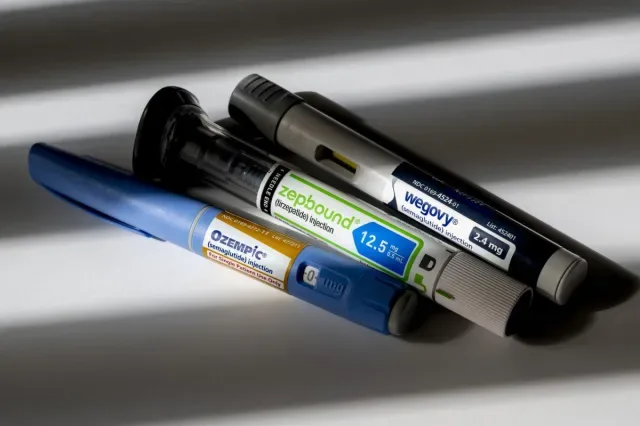
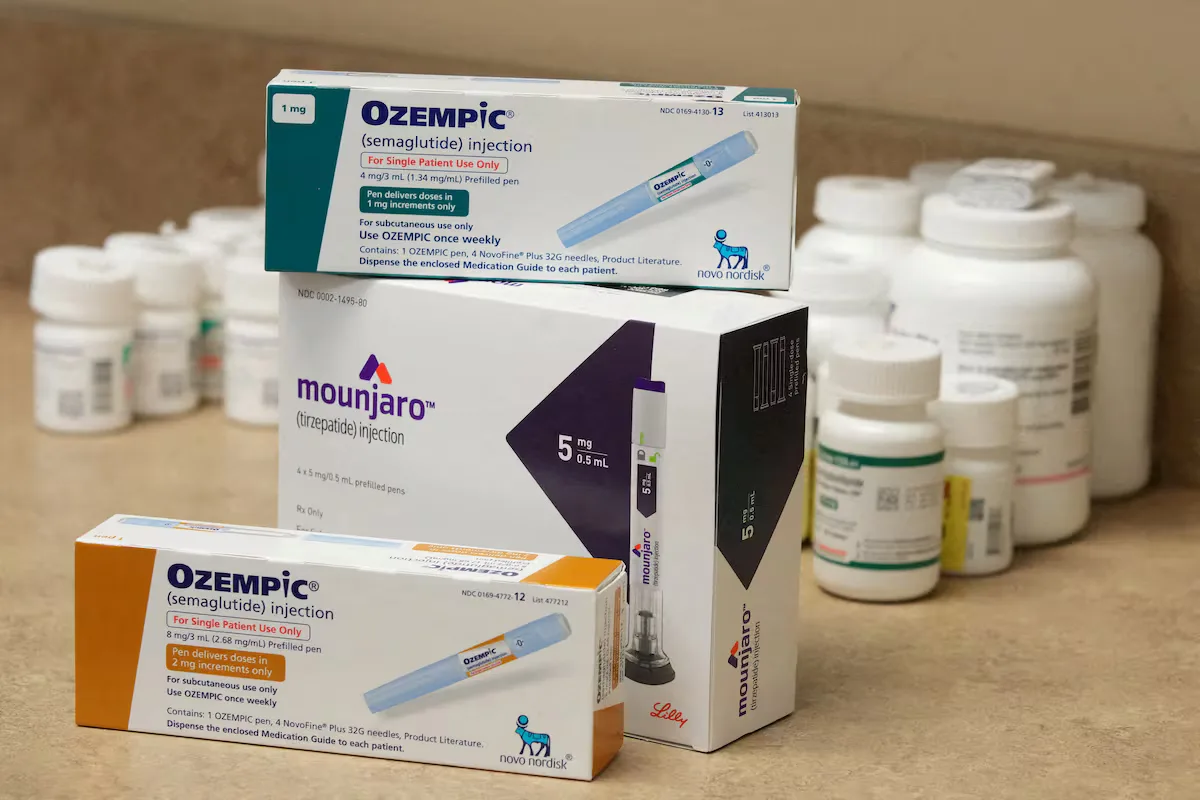
1. Tirzepatide (Zepbound / Mounjaro)
Manufactured by Eli Lilly, tirzepatide is marketed under two brand names depending on the indication. Zepbound is approved specifically for weight management, while Mounjaro is approved for the treatment of type 2 diabetes. Despite the different labels, the active ingredient is the same. Tirzepatide has recently captured significant attention for its potent weight loss capabilities.
2. Semaglutide (Wegovy / Ozempic)
Developed by Novo Nordisk, semaglutide is perhaps the most widely recognized name in the current weight loss conversation. Wegovy is the high-dose formulation approved for chronic weight management, whereas Ozempic is primarily prescribed for blood sugar control in diabetes. It has been a market leader for several years.
3. Liraglutide (Saxenda / Victoza)
The oldest of the three, liraglutide was the first GLP-1 medication to gain approval for weight loss under the brand Saxenda. Its diabetes counterpart is known as Victoza. While it paved the way for the class, newer data suggests it may be less effective for significant weight reduction compared to its successors.
The Data: What the 14,000-Patient Study Reveals
The University of Georgia study serves as one of the most comprehensive comparisons to date. By aggregating data from multiple clinical trials involving 14,000 non-diabetic patients, the researchers were able to isolate the efficacy of each drug with a high degree of statistical confidence. The results were stark.
The study highlighted that tirzepatide outperformed the other two medications in terms of percentage of body weight lost. Specifically, patients taking Zepbound lost more than 20% of their starting body weight. In comparison, those on semaglutide (Wegovy) achieved closer to 15% weight loss, while liraglutide (Saxenda) resulted in approximately 8% weight loss.
These percentages are not merely marketing numbers; they represent clinically significant milestones. Losing 10% of body weight is often associated with improvements in metabolic health, and exceeding 20% can lead to substantial remission of obesity-related comorbidities like hypertension and sleep apnea.
| Medication (Generic) | Brand Names | Weight Loss Range | Mechanism |
|---|---|---|---|
| Tirzepatide | Zepbound / Mounjaro | > 20% | Dual Agonist (GLP-1 + GIP) |
| Semaglutide | Wegovy / Ozempic | ~ 15% | Single Agonist (GLP-1) |
| Liraglutide | Saxenda / Victoza | ~ 8% | Single Agonist (GLP-1) |
Understanding the Mechanism: Why Tirzepatide Stands Out
Why does tirzepatide show superior results? The answer lies in its mechanism of action. All three medications work by mimicking the hormone GLP-1 (Glucagon-Like Peptide-1). This hormone naturally regulates blood sugar, slows digestion, and signals the brain that you are full, reducing appetite.
Single vs. Dual Agonism
Wegovy and Saxenda are considered single agonists. They target only the GLP-1 receptors in the body. Tirzepatide, however, is classified as a dual agonist. It targets both the GLP-1 receptors and the receptors for the hormone GIP (Glucose-Dependent Insulinotropic Polypeptide).
By engaging two pathways simultaneously, tirzepatide may enhance the metabolic effects. GIP plays a role in insulin secretion and fat metabolism. The combination of these two signals appears to create a more potent appetite suppression and metabolic shift than targeting GLP-1 alone. This biological advantage explains the higher percentage of weight loss observed in the study.
Safety Profile and Side Effects
When considering weight loss medication, efficacy is only one side of the equation. Safety and tolerability are paramount. One of the primary concerns with GLP-1 medications is gastrointestinal distress, including nausea, vomiting, and diarrhea.
The authors of the meta-analysis, including Ph.D. student Pooja Gokhale from the UGA College of Pharmacy, specifically investigated whether the higher efficacy of tirzepatide came at the cost of higher side effects. The study found that tirzepatide did not have significantly higher rates of nausea and gastrointestinal problems compared to the other options.