

The landscape of weight management and metabolic health is rapidly evolving, with GLP-1 receptor agonists emerging as a significant force. Among the latest developments is Pfizer's investigational drug, berobenatide (PF-3944), which has recently presented compelling Phase 2b trial results. These findings suggest a potential new option for individuals seeking meaningful weight loss, particularly those with obesity and type 2 diabetes, and importantly, with a favorable gastrointestinal side effect profile. This data not only strengthens Pfizer's pipeline but also signals a strategic move to build a comprehensive franchise in obesity and related comorbidities.
Berobenatide: Promising Phase 2b Results Emerge
Pfizer recently shared detailed results from its Phase 2b clinical trial for berobenatide. This investigational therapy is designed as a once-weekly and potentially once-monthly GLP-1 receptor agonist. The study demonstrated proof of concept for its efficacy in promoting significant weight loss across diverse patient populations, including those with obesity and type 2 diabetes. Crucially, the trial reported a low incidence of gastrointestinal side effects, a common concern with existing GLP-1 medications.
The implications of these findings are substantial. A GLP-1 agonist that offers both potent weight loss and a manageable side effect profile, especially with the convenience of less frequent dosing, could be a game-changer in the treatment of obesity. This aligns with the broader trend of developing therapies that not only target weight reduction but also address the complex metabolic and cardiovascular health issues often associated with excess weight.
Understanding GLP-1 Receptor Agonists
GLP-1 (glucagon-like peptide-1) is a naturally occurring hormone that plays a vital role in regulating blood sugar and appetite. GLP-1 receptor agonists are a class of medications that mimic the action of this hormone. They work by:
- Stimulating insulin secretion from the pancreas, which helps lower blood glucose levels.
- Slowing down gastric emptying, leading to a feeling of fullness and reduced food intake.
- Acting on the brain to reduce appetite and cravings.
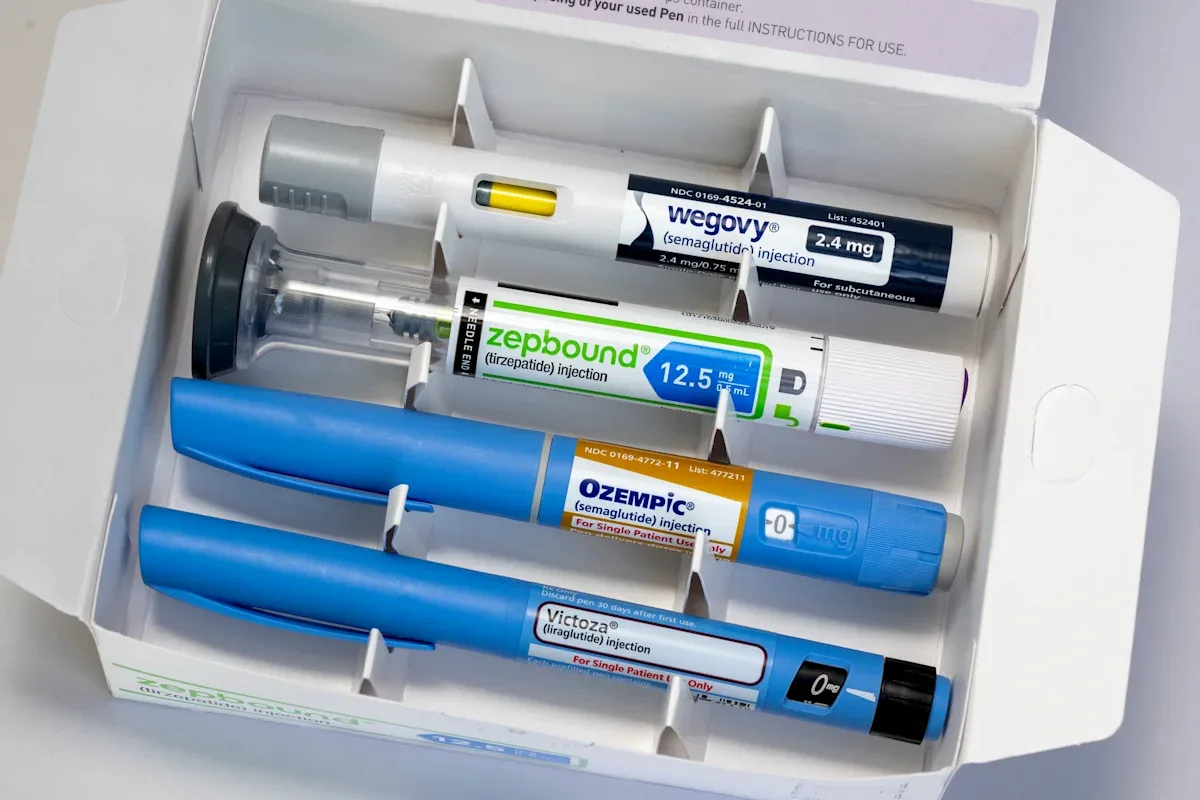
These mechanisms contribute to both improved glycemic control and significant weight loss, making them highly sought-after treatments for type 2 diabetes and obesity. While current GLP-1 medications like semaglutide (Ozempic, Wegovy) and tirzepatide (Mounjaro, Zepbound) have revolutionized treatment, ongoing research aims to enhance their efficacy, safety, and convenience, which is where berobenatide's potential monthly dosing comes into play.
Pfizer's Strategic Vision: A Broad Obesity Franchise
The positive Phase 2b data for berobenatide has spurred Pfizer to accelerate its development plans. The company is now gearing up for more than 10 Phase 3 trials in 2026. This ambitious undertaking signifies Pfizer's intent to establish a robust and broad franchise centered around obesity and its associated comorbidities. Such a strategy could significantly reshape Pfizer's future growth drivers, potentially offsetting revenue declines from patent expirations of its blockbuster drugs.
This push into the obesity market is not happening in isolation. It complements other strategic moves, such as Pfizer's US$10.5 billion collaboration with Innovent Biologics. While berobenatide targets cardiometabolic health and obesity, the Innovent partnership expands Pfizer's early-stage oncology portfolio with 12 promising programs, including antibody-drug conjugates and multi-specific antibodies. These combined efforts underscore a core catalyst for Pfizer's stock: its ability to cultivate new oncology and cardiometabolic assets that can meaningfully compensate for the loss of exclusivity on existing revenue streams and sustain its substantial revenue base.
The Investment Narrative: Balancing Risk and Reward
For investors, owning Pfizer stock currently hinges on the belief that the company can successfully transition its revenue base. This means replacing income from expiring blockbusters with new growth from oncology, vaccines, and obesity drugs, all while maintaining its significant dividend. The berobenatide Phase 2b data and the extensive plan for Phase 3 trials provide tangible support for the pipeline as a near-term catalyst. However, the looming patent cliff and the ongoing pressure on earnings and cash flows remain the most significant risks.
Precision tracking for your journey
Join thousands using Shotlee to accurately track GLP-1 medications and side effects.
📱 Get the Shotlee App
Track your GLP-1 medications, peptides, and health metrics on the go with our mobile app!
While the GLP-1 update is supportive, it may not yet be transformative for the overall investment narrative. Analysts' perspectives vary; some were more optimistic prior to this announcement, projecting higher earnings and margin expansion for Pfizer by 2029. The key question is whether berobenatide and Pfizer's broader obesity strategy can indeed push the company's performance closer to these more bullish forecasts, or if patent and pricing pressures will keep its trajectory closer to current consensus estimates.
Potential Impact on Weight Loss Treatment and Patient Care
The development of berobenatide, particularly its potential for monthly administration, could significantly impact how obesity is treated and managed. Patients often face challenges with adherence to once-weekly injections, and a less frequent dosing schedule could improve compliance and long-term outcomes. Furthermore, a drug with a favorable gastrointestinal side effect profile could make GLP-1 therapy accessible to a wider patient population who may have previously been unable to tolerate existing options.
The dual benefit of weight loss and improved metabolic markers, coupled with a potentially more convenient dosing regimen, positions berobenatide as a promising candidate to address the growing global obesity epidemic. This aligns with the increasing focus on personalized medicine and patient-centric treatment approaches, where convenience and tolerability are paramount.
Tracking Progress with Shotlee
For individuals participating in clinical trials or managing chronic conditions with medications like GLP-1 agonists, meticulous tracking of progress is essential. Tools like Shotlee can be invaluable in this regard. By allowing users to log:
- Dosage information: Recording the exact dose and timing of injections.
- Symptom tracking: Monitoring for any side effects, such as nausea, vomiting, or diarrhea, and noting their severity and duration.
- Weight changes: Regularly documenting weight fluctuations to assess treatment effectiveness.
- General health metrics: Tracking blood sugar levels, activity, and diet can provide a holistic view of health progress.
This detailed data collection can empower patients to have more informed discussions with their healthcare providers and contribute valuable insights to ongoing research, especially for novel therapies like berobenatide.
Key Considerations for Berobenatide Development
As berobenatide moves towards Phase 3 trials, several factors will be critical to its success:
| Factor | Importance | Potential Impact |
|---|---|---|
| Efficacy in Diverse Populations | High | Demonstrating consistent weight loss across different age groups, ethnicities, and comorbidities will be crucial for broad market adoption. |
| Long-Term Safety Profile | High | Extended safety data from large Phase 3 trials will be essential to confirm the favorable gastrointestinal profile and identify any other potential risks. |
| Monthly Dosing Confirmation | Critical | Successfully proving the efficacy and safety of a once-monthly regimen would be a significant differentiator in the market. |
| Comparative Effectiveness | Moderate | Understanding how berobenatide stacks up against existing GLP-1s and other weight-loss therapies in head-to-head studies or real-world evidence will inform treatment decisions. |
| Pricing and Market Access | High | The ultimate price point and the ability to secure market access and reimbursement will heavily influence patient access and commercial success. |
Conclusion
Pfizer's berobenatide represents a significant development in the ongoing quest for more effective and convenient weight management solutions. The promising Phase 2b results, coupled with an ambitious Phase 3 development plan, position this investigational GLP-1 receptor agonist as a potential cornerstone of Pfizer's future growth strategy. While challenges related to patent expirations and market competition remain, the potential for a monthly dosing regimen with a favorable side effect profile could indeed reshape the treatment landscape for obesity and type 2 diabetes, offering new hope and improved quality of life for millions.