
Shotlee LogoShotlee
Blog
Download on theApp Store
Get it onGoogle Play
Skip to main content
Semaglutide Linked to Stronger Bones in Type 2 Diabetes Patients - Featured image
Health & Wellness

Semaglutide Linked to Stronger Bones in Type 2 Diabetes Patients

Dr. Adrian Vale, MD
Reviewed by Dr. Adrian Vale, MDInternal Medicine · Board-Certified Obesity Medicine
·June 20, 2026·8 min read

On this page

  • Beyond Weight Loss: The Hidden Benefit of Semaglutide for Bone Health
  • The Diabetes-Bone Connection: Why This Matters
  • Decoding the Study: Methodology and Key Findings
  • Why Semaglutide Might Be Different
  • Practical Takeaways for Patients and Providers
  • Conclusion: A New Chapter in Diabetes Care
  • Frequently Asked Questions
  • Study Data Comparison
  • How to Monitor Your Progress
  • Integrating Health Tracking with Shotlee
  • 1. Does rapid weight loss always weaken bones?
  • 2. How does semaglutide compare to Mounjaro or Zepbound for bone health?
  • 3. Should I stop taking my diabetes medication if I am worried about bone density?
  • 4. What lifestyle changes best support bone health while on Ozempic or Wegovy?
  • 5. Why is bone health monitoring important for older adults with diabetes?

Track Smart

Calculate active GLP-1 levels automatically with Shotlee.

Download →

A landmark study suggests semaglutide may protect bone strength while aiding weight loss, offering new hope for diabetes management and bone health.

Share

On this page

  • Beyond Weight Loss: The Hidden Benefit of Semaglutide for Bone Health
  • The Diabetes-Bone Connection: Why This Matters
  • Decoding the Study: Methodology and Key Findings
  • Why Semaglutide Might Be Different
  • Practical Takeaways for Patients and Providers
  • Conclusion: A New Chapter in Diabetes Care
  • Frequently Asked Questions
  • Study Data Comparison
  • How to Monitor Your Progress
  • Integrating Health Tracking with Shotlee
  • 1. Does rapid weight loss always weaken bones?
  • 2. How does semaglutide compare to Mounjaro or Zepbound for bone health?
  • 3. Should I stop taking my diabetes medication if I am worried about bone density?
  • 4. What lifestyle changes best support bone health while on Ozempic or Wegovy?
  • 5. Why is bone health monitoring important for older adults with diabetes?

Beyond Weight Loss: The Hidden Benefit of Semaglutide for Bone Health

When patients start a journey with medications like Ozempic or Wegovy, the primary goal is often clear: significant weight reduction and improved metabolic health. However, a growing body of medical concern has focused on a potential side effect of rapid weight loss—the risk of weakened bones. For individuals with type 2 diabetes, who already face elevated risks for skeletal issues, this concern is particularly acute.

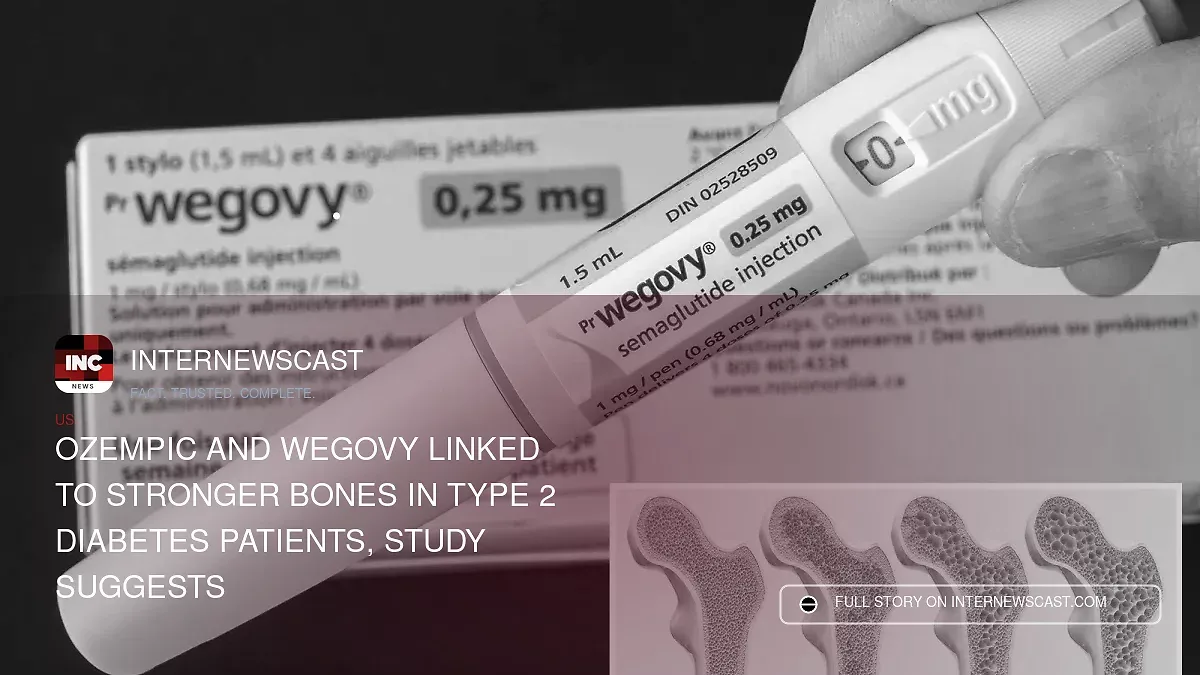
Yet, emerging data suggests a more nuanced picture. A new study indicates that semaglutide, the active ingredient in these widely prescribed medications, may actually strengthen bone integrity while facilitating weight loss. This finding challenges the assumption that shedding pounds inevitably compromises bone density, offering a beacon of hope for millions managing diabetes.

The Diabetes-Bone Connection: Why This Matters

Understanding the significance of this study requires looking at the baseline risks associated with type 2 diabetes. Historically, diabetes has been linked to poor bone quality. High blood glucose levels can lead to the accumulation of advanced glycation end-products (AGEs) in bone tissue, making bones more brittle and prone to fractures even if bone mineral density appears normal on scans.

Furthermore, older adults with type 2 diabetes often suffer from sarcopenia (muscle loss) alongside osteopenia (low bone mass). When combined with rapid weight loss therapies, the fear is that patients might lose lean muscle and bone mass faster than fat, leading to a higher risk of fractures. This is a critical quality-of-life issue. As Dr. Jairo Noreña, the lead researcher from Stanford University Medical Center, noted, "Bone fractures are painful, expensive and can seriously affect quality of life -- especially as people get older."

The medical community has long debated whether the benefits of weight loss outweigh the potential skeletal risks. For years, patients were advised to be cautious with aggressive weight loss regimens. This new data, however, suggests that semaglutide might be an exception to the rule.

Decoding the Study: Methodology and Key Findings

The research, presented at ENDO 2026, the Endocrine Society's annual meeting in Chicago, analyzed a massive dataset to draw these conclusions. The study was not a small pilot; it involved a rigorous review of medical records from more than 59,000 adults diagnosed with type 2 diabetes.

The investigators divided the cohort into two distinct groups to compare outcomes:

  • Semaglutide Group: 26,324 patients taking semaglutide (the active ingredient in Ozempic and Wegovy).
  • Comparison Group: 33,555 patients using other commonly prescribed weight-loss medications.

The results were statistically significant. Among the semaglutide users, researchers identified 794 fractures. In contrast, the comparison group of patients on other treatments experienced 1,045 fractures. When normalized for the population size, this translates to a 15% lower risk of bone fractures for those using semaglutide.

This stands out because semaglutide users not only shed more weight than those on rival treatments, but they also appeared less likely to experience a broken bone. Usually, rapid weight loss is associated with a temporary decrease in bone mineral density. The fact that semaglutide users saw a protective effect suggests a unique mechanism at play that goes beyond simple caloric restriction.

Study Data Comparison

Metric Semaglutide Group Other Medication Group
Total Patients 26,324 33,555
Total Fractures Reported 794 1,045
Fracture Risk Reduction Baseline 15% Higher Risk
Weight Loss Outcome Significant Significant

Why Semaglutide Might Be Different

The mechanism behind this bone-protective effect is still being explored, but several theories exist within the endocrinology community. Semaglutide is a GLP-1 receptor agonist. Beyond its role in insulin secretion and appetite suppression, GLP-1 receptors are found in bone-forming cells (osteoblasts) and bone-resorbing cells (osteoclasts).

Some research suggests that GLP-1 agonists may promote bone formation or inhibit bone resorption. Additionally, the weight loss achieved with semaglutide is often accompanied by improvements in overall metabolic health, which can reduce chronic inflammation—a known contributor to bone loss. Unlike older weight-loss strategies that might involve drastic calorie cutting without nutritional guidance, semaglutide therapy is typically managed within a medical framework that allows for better nutritional monitoring.

Dr. Noreña emphasized that this work is "an important early step toward understanding the impact of semaglutide-induced weight loss on bone health in patients with type 2 diabetes." While the study does not prove causation, the correlation is strong enough to warrant attention from clinicians and patients alike.


Precision tracking for your journey

Join thousands using Shotlee to accurately track GLP-1 medications and side effects.

📱 Get the Shotlee App

Track your GLP-1 medications, peptides, and health metrics on the go with our mobile app!

Download on theApp Store
Get it onGoogle Play

Practical Takeaways for Patients and Providers

For the average patient managing type 2 diabetes, these findings offer reassurance. However, it is crucial to approach weight loss and bone health holistically. The study results should not be interpreted as a license to ignore bone health entirely. Instead, they suggest that semaglutide is a safer option regarding skeletal integrity compared to other weight-loss pharmacotherapies.

How to Monitor Your Progress

Even with the protective effects of semaglutide, maintaining bone density requires active management. Here are key steps to consider during your treatment journey:

  1. Regular Screening: Discuss bone density scans (DEXA scans) with your endocrinologist, especially if you are over 50 or have a family history of osteoporosis.
  2. Nutritional Support: Ensure adequate intake of Calcium and Vitamin D, which are essential for bone repair and maintenance.
  3. Weight-Bearing Exercise: Resistance training and walking help stimulate bone formation, complementing the medication's effects.
  4. Track Medication and Symptoms: Use health tracking tools to monitor your weight loss pace and any new joint or bone pain.

Integrating Health Tracking with Shotlee

To support these goals, platforms like Shotlee can be invaluable for patients on peptide therapy or GLP-1 medications. Tracking your weight loss speed is critical; losing weight too rapidly can negate potential bone benefits regardless of the medication.

Shotlee allows you to log your medication doses, track symptoms, and monitor key health metrics over time. By visualizing your progress, you and your healthcare provider can ensure that weight loss is occurring at a sustainable rate that supports metabolic health without compromising skeletal strength. You can also use the app to set reminders for calcium supplementation or exercise routines, creating a comprehensive ecosystem for your diabetes management.

Conclusion: A New Chapter in Diabetes Care

The presentation of these findings at ENDO 2026 marks a significant moment in diabetes care. For decades, the focus has been on HbA1c reduction and weight loss. Now, the lens is widening to include long-term structural health.

While more research is needed to fully understand the biological mechanisms, the data is encouraging. Patients with type 2 diabetes can pursue weight loss with greater confidence, knowing that semaglutide may offer protection against the very fractures that have long plagued this demographic. By combining medication with lifestyle changes and diligent health tracking, patients can optimize their chances for a longer, healthier life.

As Dr. Noreña stated, the study encourages the monitoring of bone health in weight-loss programs. With tools like Shotlee and a proactive medical team, patients can navigate their health journey with clarity and safety.

Frequently Asked Questions

1. Does rapid weight loss always weaken bones?

Generally, rapid weight loss can be associated with temporary bone density loss because the body may break down bone tissue to release stored minerals. However, this study suggests that semaglutide may mitigate this risk through its specific hormonal effects, resulting in a lower fracture rate compared to other weight-loss medications.

2. How does semaglutide compare to Mounjaro or Zepbound for bone health?

This specific study focused on semaglutide versus other common weight-loss drugs. While Mounjaro (tirzepatide) is a dual agonist with similar mechanisms, direct comparative data on bone fracture risks between semaglutide and tirzepatide is not yet established in this specific dataset. However, both are GLP-1 based therapies.

3. Should I stop taking my diabetes medication if I am worried about bone density?

No. Uncontrolled diabetes poses a significant risk to bone health due to high blood sugar damaging bone structure. Consult your doctor before making any changes. The data suggests semaglutide may be safer for bones than many alternatives, but your specific medical history dictates the best course of action.

4. What lifestyle changes best support bone health while on Ozempic or Wegovy?

In addition to medication, focus on weight-bearing exercises (like walking or lifting weights), ensure sufficient protein intake to maintain muscle mass, and supplement with Vitamin D and Calcium as recommended by your healthcare provider.

5. Why is bone health monitoring important for older adults with diabetes?

Older adults with type 2 diabetes are at a higher baseline risk for fractures. A fracture can lead to a decline in mobility, increased risk of infection, and reduced independence. Monitoring bone health allows for early intervention to prevent these serious complications.

?Frequently Asked Questions

Does rapid weight loss always weaken bones?

Generally, rapid weight loss can be associated with temporary bone density loss because the body may break down bone tissue to release stored minerals. However, this study suggests that semaglutide may mitigate this risk through its specific hormonal effects, resulting in a lower fracture rate compared to other weight-loss medications.

How does semaglutide compare to Mounjaro or Zepbound for bone health?

This specific study focused on semaglutide versus other common weight-loss drugs. While Mounjaro (tirzepatide) is a dual agonist with similar mechanisms, direct comparative data on bone fracture risks between semaglutide and tirzepatide is not yet established in this specific dataset. However, both are GLP-1 based therapies.

Should I stop taking my diabetes medication if I am worried about bone density?

No. Uncontrolled diabetes poses a significant risk to bone health due to high blood sugar damaging bone structure. Consult your doctor before making any changes. The data suggests semaglutide may be safer for bones than many alternatives, but your specific medical history dictates the best course of action.

What lifestyle changes best support bone health while on Ozempic or Wegovy?

In addition to medication, focus on weight-bearing exercises (like walking or lifting weights), ensure sufficient protein intake to maintain muscle mass, and supplement with Vitamin D and Calcium as recommended by your healthcare provider.

Why is bone health monitoring important for older adults with diabetes?

Older adults with type 2 diabetes are at a higher baseline risk for fractures. A fracture can lead to a decline in mobility, increased risk of infection, and reduced independence. Monitoring bone health allows for early intervention to prevent these serious complications.

Source Information

Originally published by Internewscast Journal.Read the original article →

Read next

Keep exploring

More on Ozempic

Articles covering Ozempic dosing, side effects, and clinical updates.

Ozempic Alternative Found: Stanford’s BRP Peptide Breakthrough
Medical News

Ozempic Alternative Found: Stanford’s BRP Peptide Breakthrough

A new study reveals BRP, a natural peptide, may offer the benefits of Ozempic without common side effects.

7 min read
Beyond Ozempic: Why Zepbound Might Be the Heavyweight Champion for Weight Loss
Health & Wellness

Beyond Ozempic: Why Zepbound Might Be the Heavyweight Champion for Weight Loss

A comprehensive review of the latest clinical data comparing Tirzepatide, Semaglutide, and Liraglutide to determine the most effective option for significant weight reduction.

8 min read
Beyond Weight Loss: How GLP-1s Like Ozempic May Impact Impulse and Behavior
Health & Wellness

Beyond Weight Loss: How GLP-1s Like Ozempic May Impact Impulse and Behavior

While known for diabetes and weight management, GLP-1 receptor agonists like Ozempic and Wegovy might have a surprising effect on impulse control and behavior, according to emerging research.

6 min read

Same topic: Diabetes

All Diabetes articles →
Beyond Weight Loss: Do GLP-1 Drugs Impact Mental Health?
Health & Wellness

Beyond Weight Loss: Do GLP-1 Drugs Impact Mental Health?

New research is exploring the surprising potential of GLP-1 receptor agonists, known for their role in diabetes and weight management, to also influence mental well-being. This article delves into the latest findings and what they mean for patients.

7 min read
Beyond BMI: Why Mounjaro Eligibility is More Complex Than You Think
Health & Wellness

Beyond BMI: Why Mounjaro Eligibility is More Complex Than You Think

Many assume BMI is the sole determinant for Mounjaro prescriptions, but the reality is far more nuanced. This article explores the comprehensive health criteria healthcare providers use to ensure safe and effective treatment.

6 min read
Beyond the Scale: Are GLP-1 Drugs Depleting Vital Nutrients?
Health & Wellness

Beyond the Scale: Are GLP-1 Drugs Depleting Vital Nutrients?

While GLP-1 agonists are revolutionizing weight management, emerging research suggests a potential downside: nutrient deficiencies. This article delves into what the latest studies reveal about these vital nutrient gaps and how to address them.

6 min read

More in Health & Wellness

Beyond Ozempic: A New Pill Targets Fat Metabolism Without Appetite Loss
Health & Wellness

Beyond Ozempic: A New Pill Targets Fat Metabolism Without Appetite Loss

A groundbreaking pill developed by researchers at Karolinska Institutet and Stockholm University offers a new avenue for treating type 2 diabetes and obesity. Unlike injectable GLP-1 agonists, this oral medication targets muscle metabolism to enhance fat burning and improve blood sugar control, aiming to circumvent common side effects.

7 min read
Beyond the Scale: GLP-1 Users & the Exercise Paradox
Health & Wellness

Beyond the Scale: GLP-1 Users & the Exercise Paradox

While GLP-1 medications have revolutionized weight loss, a recent study indicates a concerning trend: users may be reducing their physical activity. This article explores the findings and emphasizes the continued importance of exercise.

7 min read
Ozempic, Wegovy & Mounjaro: Navigating Dizziness and Fainting Risks
Health & Wellness

Ozempic, Wegovy & Mounjaro: Navigating Dizziness and Fainting Risks

Recent research highlights a potential safety concern with GLP-1 medications, linking them to an increased risk of dizziness and fainting, particularly in certain patient groups. Discover what this means for your health.

6 min read
Share this article
  1. Home
  2. Blog
  3. Semaglutide Linked to Stronger Bones in Type 2 Diabetes Patients
Dr. Adrian Vale, MD — Internal Medicine · Board-Certified Obesity Medicine
Medically reviewed

Dr. Adrian Vale, MD

Internal Medicine · Board-Certified Obesity Medicine

Dr. Adrian Vale is a board-certified internal medicine physician with a clinical focus on obesity medicine and metabolic health. He reviews Shotlee guides and articles on GLP-1 medications, peptide therapy, and weight-management protocols for clinical accuracy.

View all articles reviewed by Dr. Adrian Vale, MD
Shotlee LogoShotlee

Your comprehensive health tracking companion. Track, analyze, and optimize your journey with advanced metrics and community support.

Product

  • Medication Trackers
  • Health Guides
  • Calculators
  • Compare Medications
  • Pricing

Resources

  • Health Blog
  • Support Center

Legal

  • Privacy Policy
  • Terms of Service
  • Community Guidelines
  • Refund Policy

© 2026 Shotlee. All rights reserved.

Made with for the community♥ for the community