
Shotlee LogoShotlee
Blog
Download on theApp Store
Get it onGoogle Play
Skip to main content
Roche CT-388: GLP-1/GIP Shot Rivals Zepbound in Phase 2 - Featured image
GLP-1 Medications

Roche CT-388: GLP-1/GIP Shot Rivals Zepbound in Phase 2

Dr. Adrian Vale, MD
Reviewed by Dr. Adrian Vale, MDInternal Medicine · Board-Certified Obesity Medicine
·January 28, 2026·4 min read

On this page

  • Introduction
  • What is CT-388 and How Does It Work?
  • Phase 2 Trial Results: Impressive Weight Loss Data
  • CT-388 vs. Zepbound, Wegovy, and Other GLP-1s
  • Safety Profile and Side Effects Management
  • Roche's Broader Obesity Pipeline
  • Challenges in the Crowded GLP-1 Market
  • Conclusion
  • Development Timeline
  • Direct Comparison Table

Track Smart

Calculate active GLP-1 levels automatically with Shotlee.

Download →

Roche is advancing CT-388, a dual GLP-1/GIP agonist, after Phase 2 results showed impressive weight loss comparable to Eli Lilly's Zepbound. With the obesity market booming, can this injectable stand out against Wegovy and emerging orals? Dive into the data and what it means for patients.

Share

On this page

  • Introduction
  • What is CT-388 and How Does It Work?
  • Phase 2 Trial Results: Impressive Weight Loss Data
  • CT-388 vs. Zepbound, Wegovy, and Other GLP-1s
  • Safety Profile and Side Effects Management
  • Roche's Broader Obesity Pipeline
  • Challenges in the Crowded GLP-1 Market
  • Conclusion
  • Development Timeline
  • Direct Comparison Table

Introduction

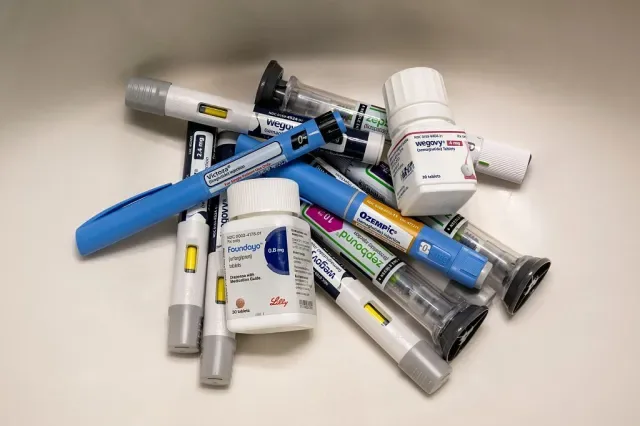
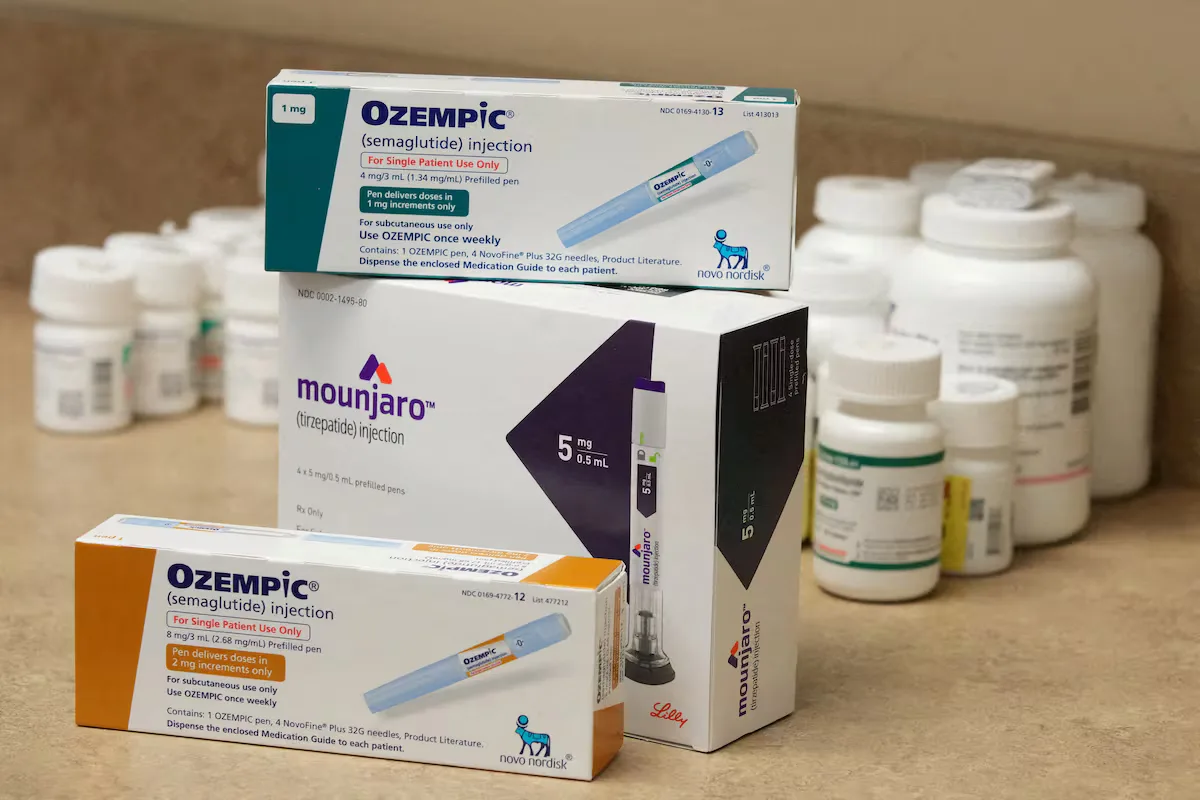
GLP-1 receptor agonists like Ozempic and Wegovy have transformed obesity treatment, offering sustained weight loss through appetite suppression and metabolic regulation. Now, Roche is entering this competitive arena with CT-388, a dual GLP-1/GIP agonist acquired via a $2.7 billion deal with Carmot Therapeutics in 2021. Phase 2 data released in late 2024 revealed weight loss of up to 23 percentage points greater than placebo after 48 weeks—results on par with Eli Lilly's blockbuster Zepbound (tirzepatide). But in a market projected to exceed $100 billion annually, will CT-388 carve out a niche? This guide breaks down the science, trial details, comparisons, and future prospects for health-conscious individuals exploring GLP-1 options.

What is CT-388 and How Does It Work?

CT-388 is a once-weekly subcutaneous injection designed for obesity management. Like Zepbound, it mimics two key incretin hormones: GLP-1 (glucagon-like peptide-1) and GIP (glucose-dependent insulinotropic polypeptide). GLP-1 slows gastric emptying, signals fullness to the brain, and reduces liver glucose output. GIP enhances insulin secretion and may promote fat metabolism while minimizing muscle loss—a common concern with GLP-1 monotherapy.

Dual agonists like CT-388 and Zepbound outperform single GLP-1 drugs (e.g., semaglutide in Wegovy) by targeting complementary pathways. This synergy amplifies satiety and energy expenditure, leading to greater weight reduction. Roche touts CT-388's "best-in-class potential," but real-world differentiation will hinge on dosing convenience, side effects, and long-term data.

Development Timeline

Roche plans Phase 3 trials by March 2025, positioning CT-388 for potential approval in 2027-2028. This lags behind approved rivals but aligns with the rapid evolution of incretin therapies.

Phase 2 Trial Results: Impressive Weight Loss Data

The randomized, placebo-controlled trial enrolled 469 adults with obesity and at least one weight-related complication (e.g., prediabetes, hypertension), excluding those with diabetes. Participants received multiple CT-388 doses or placebo weekly for 48 weeks.

  • Highest dose (24 mg): 22.5 percentage points more body weight loss vs. placebo (intention-to-treat excluding dropouts). Including discontinuations, it was 18.3 percentage points—still robust.
  • 48% of high-dose recipients lost >20% body weight, a threshold linked to cardiometabolic benefits.

To contextualize: A 100 kg (220 lb) person losing 23% more than placebo might shed 25-30 kg total. This mirrors Zepbound's SURMOUNT-1 trial (up to 20.9% loss at 72 weeks) and exceeds Wegovy's STEP trials (15-17% at 68 weeks). However, analyst Michael Leuchten from Jefferies notes the efficacy gap between analyses flags potential adherence issues, warranting fuller data at upcoming congresses.

"The gap suggests treatment adherence questions with some doses," Leuchten wrote, highlighting real-world retention challenges common in GLP-1s.

CT-388 vs. Zepbound, Wegovy, and Other GLP-1s

Direct Comparison Table

DrugMechanismPeak Weight Loss (Trials)Dose/FormApproval Status
CT-388 (Roche)GLP-1/GIP~23% > placebo (48w Phase 2)Up to 24 mg weekly injectionPhase 3 (2025)
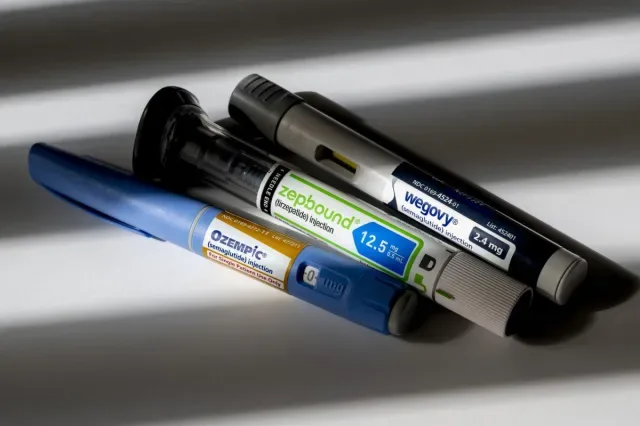
Zepbound (Lilly)GLP-1/GIP20.9% (72w Phase 3)15 mg weekly injectionApproved for obesity
Wegovy (Novo)GLP-115-17% (68w Phase 3)2.4 mg weekly injectionApproved for obesity
Mounjaro (Lilly)GLP-1/GIP~22.5% (diabetes trials)15 mg weekly injectionApproved for diabetes

CT-388 matches Zepbound/Mounjaro's profile but trails in timeline. Upcoming orals like Novo's amycretin and Lilly's orforglipron could erode injectables' share, as early amycretin data shows 13% loss in 12 weeks.

Safety Profile and Side Effects Management

CT-388 was "well tolerated," with GI issues (nausea, diarrhea, vomiting) mild-moderate and class-typical. Discontinuation due to AEs: 6% (vs. 1% placebo)—better than some early GLP-1s but higher than placebo.
Precision tracking for your journey

Join thousands using Shotlee to accurately track GLP-1 medications and side effects.

📱 Get the Shotlee App

Track your GLP-1 medications, peptides, and health metrics on the go with our mobile app!

Download on theApp Store
Get it onGoogle Play

Strategies for patients:

  • Titrate slowly to minimize GI upset.
  • Hydrate and eat small, protein-rich meals.
  • Tools like Shotlee can help track symptoms, side effects, and nutrition intake alongside GLP-1 therapy.

No new safety signals emerged, but Phase 3 will assess cardiovascular outcomes and rare risks like pancreatitis.

Roche's Broader Obesity Pipeline

Beyond CT-388, Roche partners with Zealand Pharma on petrelintide (amylin analog for added satiety) and develops emugrobart, an anti-myostatin antibody to preserve lean muscle during GLP-1 use. Muscle loss (20-40% of total weight shed) risks sarcopenia; emugrobart could address this, enhancing combo potential.

CT-996, an oral candidate, adds versatility amid rising demand for non-injectables.

Challenges in the Crowded GLP-1 Market

Despite strong data, analysts question CT-388's commercial edge. Key hurdles:

  • Competition: Zepbound/Wegovy dominate; supply stabilizes but pricing pressures mount.
  • Adherence: Injections deter some; orals gain traction.
  • Market Saturation: Biosimilars loom post-patent expiry (2030s).
  • Patient Selection: Best for BMI >30 or 27+ with comorbidities; combine with diet/exercise.

For metabolic health, pair GLP-1s with resistance training and protein (1.6g/kg body weight) to optimize outcomes. Apps like Shotlee support logging progress.

Conclusion

Roche's CT-388 promises Zepbound-like efficacy with dual incretin action, backed by solid Phase 2 weight loss (up to 23% > placebo) and tolerable safety. Yet, Phase 3 success and market navigation will determine its role. For those on GLP-1s or considering them, focus on evidence-based use: titrate patiently, monitor muscle mass, and integrate lifestyle changes. Stay tuned for Phase 3 data—another step toward personalized obesity care.

Source Information

Originally published by BioPharma Dive.Read the original article →

Read next

Keep exploring

More on Zepbound

Articles covering Zepbound dosing, side effects, and clinical updates.

Beyond Ozempic: Why Zepbound Might Be the Heavyweight Champion for Weight Loss
Health & Wellness

Beyond Ozempic: Why Zepbound Might Be the Heavyweight Champion for Weight Loss

A comprehensive review of the latest clinical data comparing Tirzepatide, Semaglutide, and Liraglutide to determine the most effective option for significant weight reduction.

8 min read
Beyond Weight Loss: How GLP-1s Like Ozempic May Impact Impulse and Behavior
Health & Wellness

Beyond Weight Loss: How GLP-1s Like Ozempic May Impact Impulse and Behavior

While known for diabetes and weight management, GLP-1 receptor agonists like Ozempic and Wegovy might have a surprising effect on impulse control and behavior, according to emerging research.

6 min read
Ozempic & Wegovy: Surprising Bone Health Benefit Uncovered
Health & Wellness

Ozempic & Wegovy: Surprising Bone Health Benefit Uncovered

While GLP-1 agonists like Ozempic and Wegovy are celebrated for weight loss and blood sugar control, a recent study suggests a surprising benefit: improved bone health and a reduced risk of fractures in adults with Type 2 diabetes.

7 min read

Same topic: Obesity Treatment

All Obesity Treatment articles →
Ozempic Alternative Found: Stanford’s BRP Peptide Breakthrough
Medical News

Ozempic Alternative Found: Stanford’s BRP Peptide Breakthrough

A new study reveals BRP, a natural peptide, may offer the benefits of Ozempic without common side effects.

7 min read
Wegovy, Ozempic & Mounjaro: The Real Truth About Weight Loss Meds
Health & Wellness

Wegovy, Ozempic & Mounjaro: The Real Truth About Weight Loss Meds

A comprehensive guide to GLP-1 receptor agonists, understanding efficacy, managing side effects, and navigating the future of obesity treatment.

7 min read
Oral Wegovy's Record-Breaking Launch: The New Era of Needle-Free Weight Loss
Medical News & Insights

Oral Wegovy's Record-Breaking Launch: The New Era of Needle-Free Weight Loss

Novo Nordisk's Wegovy oral formulation has achieved unprecedented prescription rates, marking a pivotal shift in obesity care and intensifying competition with Eli Lilly.

8 min read

More in GLP-1 Medications

Semaglutide Linked to Stronger Bones in Type 2 Diabetes Patients
Health & Wellness

Semaglutide Linked to Stronger Bones in Type 2 Diabetes Patients

A landmark study suggests semaglutide may protect bone strength while aiding weight loss, offering new hope for diabetes management and bone health.

8 min read
Share this article
  1. Home
  2. Blog
  3. Roche CT-388: GLP-1/GIP Shot Rivals Zepbound in Phase 2
Dr. Adrian Vale, MD — Internal Medicine · Board-Certified Obesity Medicine
Medically reviewed

Dr. Adrian Vale, MD

Internal Medicine · Board-Certified Obesity Medicine

Dr. Adrian Vale is a board-certified internal medicine physician with a clinical focus on obesity medicine and metabolic health. He reviews Shotlee guides and articles on GLP-1 medications, peptide therapy, and weight-management protocols for clinical accuracy.

View all articles reviewed by Dr. Adrian Vale, MD
Shotlee LogoShotlee

Your comprehensive health tracking companion. Track, analyze, and optimize your journey with advanced metrics and community support.

Product

  • Medication Trackers
  • Health Guides
  • Calculators
  • Compare Medications
  • Pricing

Resources

  • Health Blog
  • Support Center

Legal

  • Privacy Policy
  • Terms of Service
  • Community Guidelines
  • Refund Policy

© 2026 Shotlee. All rights reserved.

Made with for the community♥ for the community