

Shotlee LogoShotlee
Blog
Download on theApp Store
Get it onGoogle Play
Skip to main content
GLP-1 Medications: Patient Stories, Science & Real Risks - Featured image
Weight Management

GLP-1 Medications: Patient Stories, Science & Real Risks

Dr. Adrian Vale, MD
Reviewed by Dr. Adrian Vale, MDInternal Medicine · Board-Certified Obesity Medicine
·January 25, 2026·4 min read

On this page

  • Introduction
  • What Are GLP-1 Medications?
  • How GLP-1s Drive Weight Loss
  • Real Patient Stories: Triumphs and Trials
  • Benefits Beyond Weight Loss
  • Side Effects and Risk Management
  • Dosing: Slow and Steady Wins
  • Cost and Access Barriers
  • Lifestyle Synergy: The Full Equation
  • Conclusion
  • Who Qualifies?
  • Tia Timmer's Journey
  • Andrea Snelling's Cautionary Tale
  • April Wright's Commitment
  • Long-Term Use

Track Smart

Calculate active GLP-1 levels automatically with Shotlee.

Download →

GLP-1 medications like Zepbound have transformed lives, helping patients lose significant weight amid personal challenges. But rapid results come with risks like gallstones and muscle loss. This guide blends real stories with clinical insights for informed decisions.

Share

On this page

  • Introduction
  • What Are GLP-1 Medications?
  • How GLP-1s Drive Weight Loss
  • Real Patient Stories: Triumphs and Trials
  • Benefits Beyond Weight Loss
  • Side Effects and Risk Management
  • Dosing: Slow and Steady Wins
  • Cost and Access Barriers
  • Lifestyle Synergy: The Full Equation
  • Conclusion
  • Who Qualifies?
  • Tia Timmer's Journey
  • Andrea Snelling's Cautionary Tale
  • April Wright's Commitment
  • Long-Term Use

Introduction

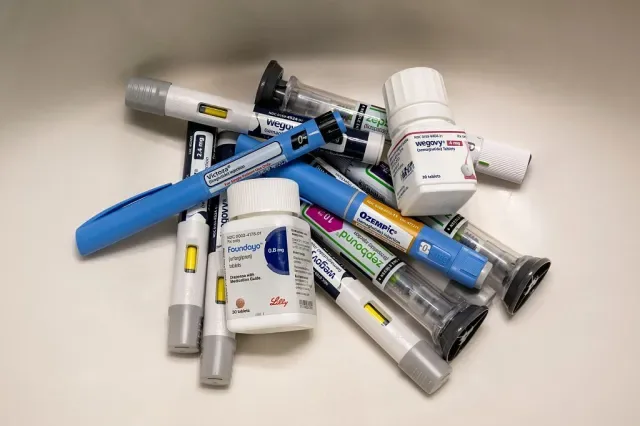
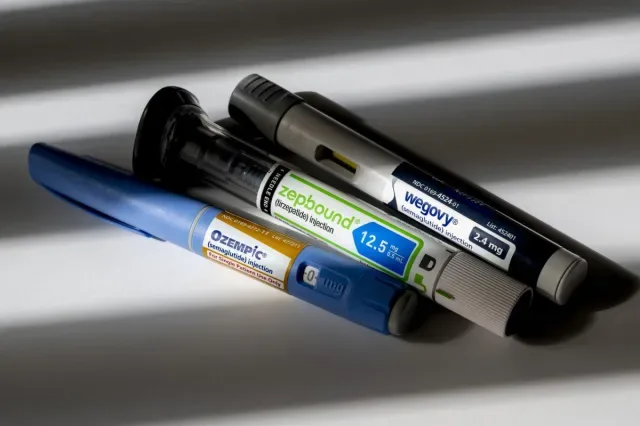
GLP-1 receptor agonists—medications like Ozempic (semaglutide), Wegovy (higher-dose semaglutide), Mounjaro (tirzepatide), and Zepbound (tirzepatide for weight loss)—have reshaped weight management. Originally developed for type 2 diabetes, these weekly injections mimic the gut hormone glucagon-like peptide-1 (GLP-1), curbing appetite and promoting sustained weight loss of 10-20% body weight in clinical trials. For patients like Tia Timmer, who lost 110 pounds on Zepbound, they offer hope amid life's stresses. Yet, stories from Spokane clinics highlight not just triumphs but challenges like rapid weight loss complications. This guide provides evidence-based context to help you navigate GLP-1 therapy.

What Are GLP-1 Medications?

GLP-1 agonists replicate the body's natural GLP-1 hormone, produced in the intestines after eating. This hormone signals the brain to reduce hunger, slows gastric emptying for prolonged fullness, and regulates blood sugar by boosting insulin release while suppressing glucagon.

Key drugs:

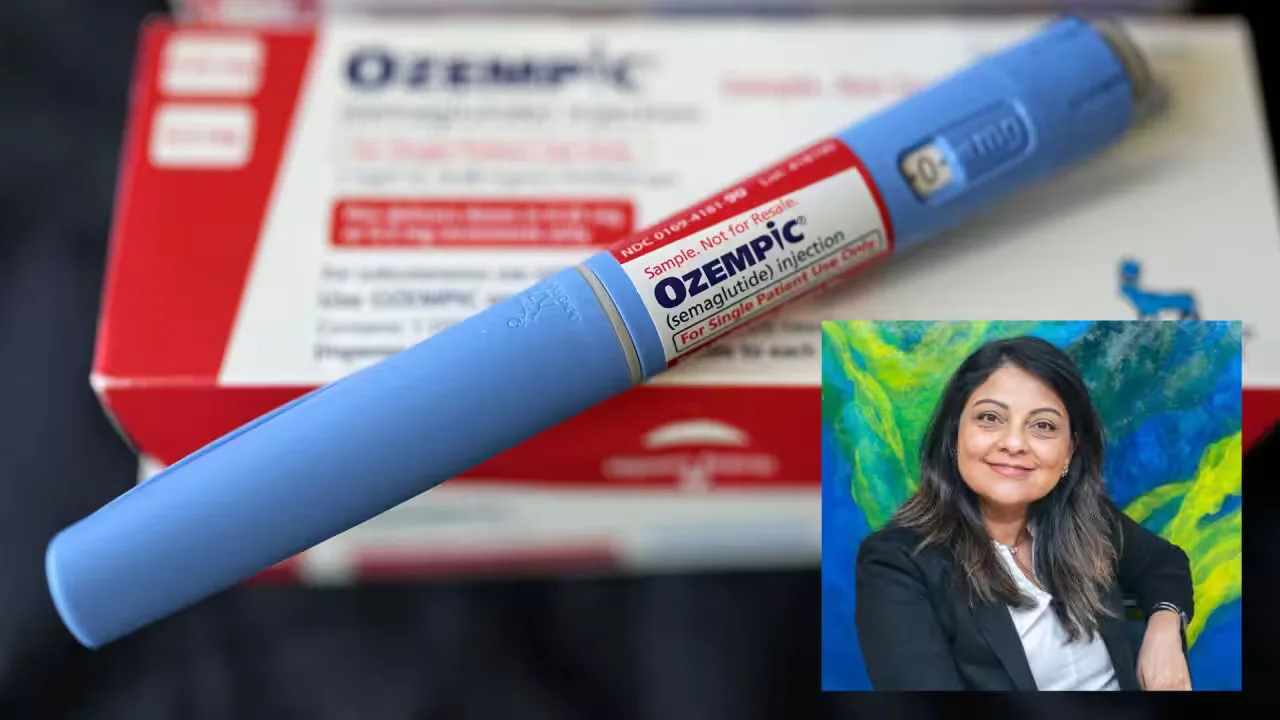
  • Ozempic/Wegovy (semaglutide): FDA-approved for diabetes (Ozempic, 2017) and chronic weight management (Wegovy, 2021). Doses start at 0.25 mg weekly, titrating to 2.4 mg.
  • Mounjaro/Zepbound (tirzepatide): Dual GLP-1/GIP agonist, approved for diabetes (2022) and weight loss (2023). Starts at 2.5 mg, up to 15 mg weekly, often yielding greater losses (up to 22% in SURMOUNT trials).

Surveys show 6-12% of Americans have tried them, with 1 in 5 women aged 50-64 currently using, per RAND data. At clinics like MultiCare Rockwood, they comprise half of weight loss requests.

How GLP-1s Drive Weight Loss

These drugs don't burn fat directly; they reprogram eating behavior. By delaying stomach emptying, users feel full sooner and eat 20-30% fewer calories. Clinical trials like STEP (semaglutide) report 15% average loss at one year, sustained with continued use.

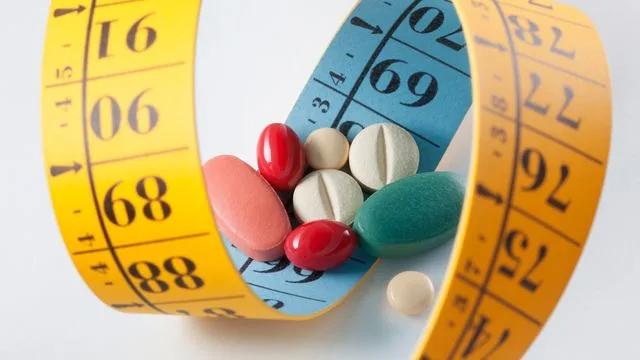
Tirzepatide's GIP addition enhances fat metabolism, explaining superior results in head-to-head studies. Unlike past diet pills (5-7% loss), GLP-1s target obesity as a chronic metabolic condition, akin to hypertension management.

"GLP-1s produce approximately 10% to 20% body weight loss, much more than traditional oral medicines," notes nurse practitioner Megan Vulcan.

Who Qualifies?

Guidelines recommend for BMI ≥30 (obese) or ≥27 with comorbidities (e.g., prediabetes). Not for "last 5 pounds." Online sourcing risks improper dosing; in-person monitoring is essential.

Real Patient Stories: Triumphs and Trials

Tia Timmer's Journey

Mid-50s, prediabetic after gaining during a custody battle for her grandchildren, Timmer started Zepbound in 2023. Losing 110 pounds transformed her: "I had to do it for them," she said, now chasing them up stairs effortlessly. It reframed her emotional eating as an addiction, mirroring her daughter's struggles.

Andrea Snelling's Cautionary Tale

Snelling lost 60 pounds in six months on Zepbound, jumping from 2.5 mg to 10 mg. Rapid loss triggered gallstones, requiring gallbladder removal. "I wish I had done it slower," she reflects, fearing regain but valuing lessons in pacing.

April Wright's Commitment

Post-bariatric surgery (from 456 to ~250 pounds), Wright added Zepbound, reaching 180 pounds. Paying $500/month out-of-pocket: "My medicine comes out with my rent."

Precision tracking for your journey

Join thousands using Shotlee to accurately track GLP-1 medications and side effects.

📱 Get the Shotlee App

Track your GLP-1 medications, peptides, and health metrics on the go with our mobile app!

Download on theApp Store
Get it onGoogle Play

These stories underscore: Success pairs meds with mindset shifts. Tools like Shotlee can help track symptoms, side effects, and nutrition for optimized outcomes.

Benefits Beyond Weight Loss

Emerging data shows cardiovascular risk reduction (SELECT trial: 20% lower heart events with semaglutide), kidney protection, and potential for NAFLD. Providence dietitian Caitlin Snider notes: "Continually new discoveries for heart and kidney health."

Side Effects and Risk Management

Most are gastrointestinal, peaking early then fading:

  • Nausea (20-40%): Mitigate with small meals, ginger, or antiemetics.
  • Constipation/diarrhea/bloating: Hydrate, add fiber gradually.
  • Gallstones (rapid loss risk): As in Snelling's case; monitor via ultrasound if symptoms arise.
  • Muscle loss (sarcopenia): Common in any calorie deficit; counter with resistance training, protein (1.6g/kg body weight). Clinics scan body composition quarterly.

No major long-term effects yet, but thyroid/medullary carcinoma risk in rodents (black-box warning). Persistent nausea? Discontinue. Half stop within a year (EASD study), regaining ~2 lbs/week; most rebound to baseline or worse within two years.

Long-Term Use

Treat obesity chronically: Maintenance dosing lifelong for most, with occasional pauses. Genetic-lifestyle interplay means relapse without meds/lifestyle.

Dosing: Slow and Steady Wins

Titration minimizes sides: Semaglutide 0.25→0.5→1→1.7→2.4 mg over 16+ weeks. Tirzepatide similar. Avoid rushing—online users often do, amplifying risks.

Cost and Access Barriers

List ~$1,000+/month, but LillyDirect offers Zepbound at $500 (no insurance). Diabetes coverage common; weight loss spotty, though shifting as obesity gains chronic status recognition. Professor Joey Mattingly predicts broader coverage.

Lifestyle Synergy: The Full Equation

GLP-1s amplify—not replace—habits. Pair with:

  • Protein-rich, volume-eating (veggies first).
  • Strength training 2-3x/week.
  • Behavioral therapy for emotional eating.

Track progress with apps like Shotlee for symptoms and intake, ensuring sustainable change.

Conclusion

GLP-1 medications offer profound weight loss (10-20%) and health gains for eligible patients, as seen in Timmer's vitality and Wright's persistence. But risks like GI issues, gallstones, and regain demand medical supervision, gradual dosing, and lifestyle integration. Consult providers for personalized plans—obesity management is a marathon, not a sprint.
Source Information

Originally published by The Spokesman Review.Read the original article →

Read next

Keep exploring

More on Ozempic

Articles covering Ozempic dosing, side effects, and clinical updates.

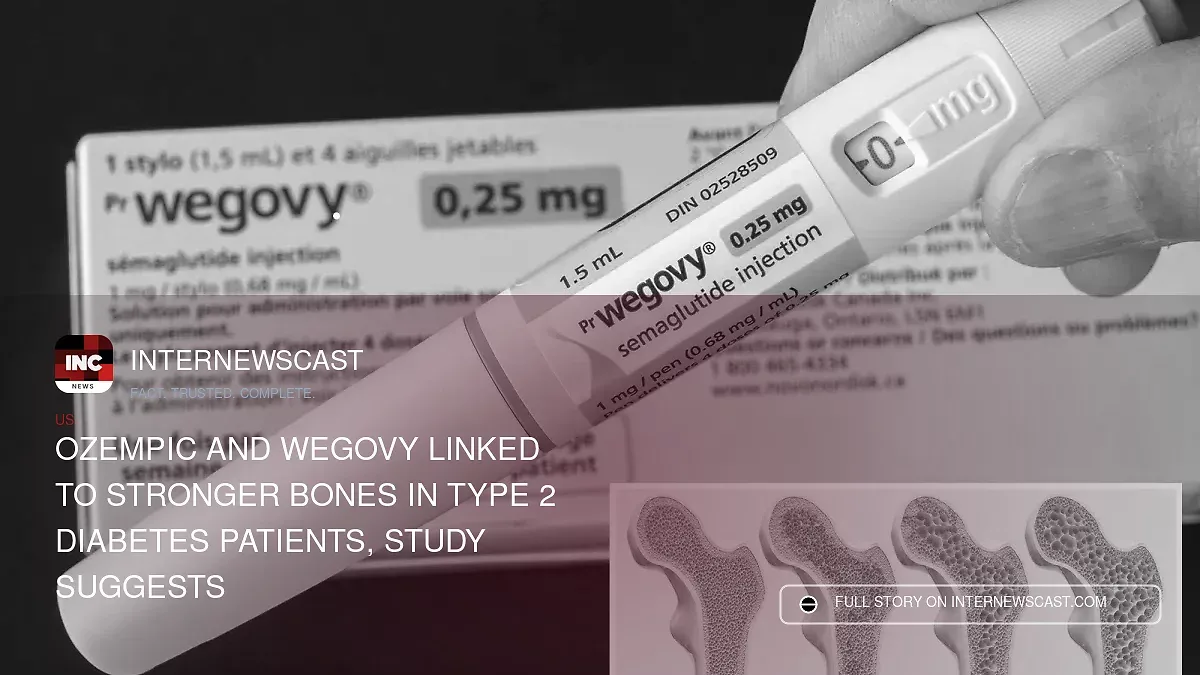
Semaglutide Linked to Stronger Bones in Type 2 Diabetes Patients
Health & Wellness

Semaglutide Linked to Stronger Bones in Type 2 Diabetes Patients

A landmark study suggests semaglutide may protect bone strength while aiding weight loss, offering new hope for diabetes management and bone health.

8 min read
Ozempic Alternative Found: Stanford’s BRP Peptide Breakthrough
Medical News

Ozempic Alternative Found: Stanford’s BRP Peptide Breakthrough

A new study reveals BRP, a natural peptide, may offer the benefits of Ozempic without common side effects.

7 min read
Beyond Ozempic: Why Zepbound Might Be the Heavyweight Champion for Weight Loss
Health & Wellness

Beyond Ozempic: Why Zepbound Might Be the Heavyweight Champion for Weight Loss

A comprehensive review of the latest clinical data comparing Tirzepatide, Semaglutide, and Liraglutide to determine the most effective option for significant weight reduction.

8 min read

Same topic: GLP-1 Agonists

All GLP-1 Agonists articles →
Oral Wegovy's Record-Breaking Launch: The New Era of Needle-Free Weight Loss
Medical News & Insights

Oral Wegovy's Record-Breaking Launch: The New Era of Needle-Free Weight Loss

Novo Nordisk's Wegovy oral formulation has achieved unprecedented prescription rates, marking a pivotal shift in obesity care and intensifying competition with Eli Lilly.

8 min read
Ozempic Muscle Loss: How a New Compound Preserves Strength
Health & Wellness

Ozempic Muscle Loss: How a New Compound Preserves Strength

New research from Stanford Medicine reveals a potential solution to the muscle loss associated with GLP-1 medications like Ozempic and Wegovy, offering hope for stronger, healthier weight loss.

8 min read
Ozempic Weight Loss: Why Your Body Needs One More Key Step
Health & Wellness

Ozempic Weight Loss: Why Your Body Needs One More Key Step

Ozempic is a household name, but experts warn it isn't a magic bullet. Dr. Shilpa Verma discusses the essential lifestyle component required for sustainable weight loss.

6 min read

More in Weight Management

GLP-1 Revolution in India: Affordability Meets Accessibility in Obesity Fight
Health Technology & Access

GLP-1 Revolution in India: Affordability Meets Accessibility in Obesity Fight

The advent of affordable, locally produced GLP-1 agonists in India marks a significant shift in managing the nation's escalating obesity crisis. For millions like Manoj, these once exclusive medications are now within reach, provided they adhere to strict medical guidance and lifestyle adjustments.

6 min read
Wegovy, Ozempic & Mounjaro: The Real Truth About Weight Loss Meds
Health & Wellness

Wegovy, Ozempic & Mounjaro: The Real Truth About Weight Loss Meds

A comprehensive guide to GLP-1 receptor agonists, understanding efficacy, managing side effects, and navigating the future of obesity treatment.

7 min read
Beyond Ozempic: The Future of Weight Loss & Metabolic Health Innovation
Health & Wellness

Beyond Ozempic: The Future of Weight Loss & Metabolic Health Innovation

The GLP-1 revolution is just the beginning. This article delves into the cutting-edge advancements poised to reshape the future of weight loss and metabolic health, offering insights for patients and observers alike.

7 min read
Share this article
  1. Home
  2. Blog
  3. GLP-1 Medications: Patient Stories, Science & Real Risks
Dr. Adrian Vale, MD — Internal Medicine · Board-Certified Obesity Medicine
Medically reviewed

Dr. Adrian Vale, MD

Internal Medicine · Board-Certified Obesity Medicine

Dr. Adrian Vale is a board-certified internal medicine physician with a clinical focus on obesity medicine and metabolic health. He reviews Shotlee guides and articles on GLP-1 medications, peptide therapy, and weight-management protocols for clinical accuracy.

View all articles reviewed by Dr. Adrian Vale, MD
Shotlee LogoShotlee

Your comprehensive health tracking companion. Track, analyze, and optimize your journey with advanced metrics and community support.

Product

  • Medication Trackers
  • Health Guides
  • Calculators
  • Compare Medications
  • Pricing

Resources

  • Health Blog
  • Support Center

Legal

  • Privacy Policy
  • Terms of Service
  • Community Guidelines
  • Refund Policy

© 2026 Shotlee. All rights reserved.

Made with for the community♥ for the community