
BPC-157 Tracker App
Log Every Dose, Track Healing Milestones, and Monitor Your Protocol
BPC-157 (Body Protection Compound-157) is a 15-amino-acid peptide derived from a gastroprotective protein in gastric juice. It is one of the most studied healing peptides in preclinical research, with applications spanning tendon and ligament repair, gut wall integrity, nerve regeneration, and muscle healing. Shotlee lets you track injections, oral dosing, pain scores, gut symptoms, and range of motion — all in one free app.
What Is BPC-157?
BPC-157 is a synthetic pentadecapeptide (15 amino acids) derived from a partial sequence of Body Protection Compound, a protein naturally found in human gastric juice. In preclinical models it demonstrates remarkable tissue-healing properties: accelerating tendon-to-bone repair, protecting the gut mucosa from NSAID and alcohol damage, promoting angiogenesis at wound sites, and attenuating inflammatory cytokine cascades.
What makes BPC-157 unusual among peptides is its gastric acid stability. Unlike most peptides that degrade in stomach acid, BPC-157 survives the GI environment — enabling genuine oral bioavailability. This allows two completely different administration routes: subcutaneous or intramuscular injection near the injury site for localised tissue repair, and oral capsule or water solution for systemic gut healing.
Protocol Options
Low-end injectable protocol for tendon, ligament, or muscle injury. Injected near the site of injury for localised healing effect.
Standard injectable dose for more significant injuries or systemic anti-inflammatory effects. Common 4–12 week cycle.
Oral protocol for gut healing applications (IBD, leaky gut, NSAID-induced damage). BPC-157 is acid-stable and survives gastric passage.
Mechanism of Action
Research Highlights
What to Track in Shotlee
Build a complete healing diary — injections, symptoms, and progress metrics in one place.
Oral vs Injectable: Choosing Your Route
The route of administration significantly changes the therapeutic target. Subcutaneous injection close to an injury site concentrates BPC-157 locally — useful for tendon, ligament, muscle, and nerve injuries. Intramuscular injection works similarly. Both routes are typically dosed at 250–500 mcg per day over a 4–12 week cycle.
Oral BPC-157 (capsule or dissolved in water on an empty stomach) targets the gut. Because the peptide is stable in gastric acid — a rare property — it reaches the intestinal mucosa intact. Research protocols for gut healing typically use 500–1000 mcg twice daily. Some researchers split dosing: morning oral for gut, localised injection for musculoskeletal injury, running both simultaneously.
Protocol FAQs
In preclinical research, BPC-157 is studied for tendon and ligament repair, gut mucosal healing (IBD, leaky gut, NSAID-induced damage), muscle healing, nerve regeneration, and anti-inflammatory effects. It is not approved for human use.
Yes. BPC-157 is unusually stable in gastric acid, which allows it to survive stomach passage and reach the intestinal mucosa intact. Oral dosing is specifically used for gut-targeted applications, typically 500–1000 mcg twice daily.
Injectable protocols commonly use 250–500 mcg per day subcutaneously or IM, injected near the injury site. Oral gut protocols typically use 500–1000 mcg twice daily. Cycle length is typically 4–12 weeks depending on the healing target.
Preclinical studies show measurable tissue repair markers within 1–2 weeks. Most researchers report subjective improvements in pain and mobility within 2–4 weeks for musculoskeletal applications, and gut symptom improvements within 1–3 weeks for oral gut protocols. Track your progress in Shotlee for a personalised timeline.
BPC-157 and TB-500 are frequently combined in research protocols because they act through complementary mechanisms — BPC-157 via GH receptor and angiogenesis pathways, TB-500 via actin upregulation and cell migration. There is no clinical trial data on this combination in humans. Log each compound separately in Shotlee.
Track Your BPC-157 Protocol in Shotlee
Log every dose, track pain scores, document gut symptoms, and measure healing progress — all in the free Shotlee app.
📚References & sources
Latest on BPC-157
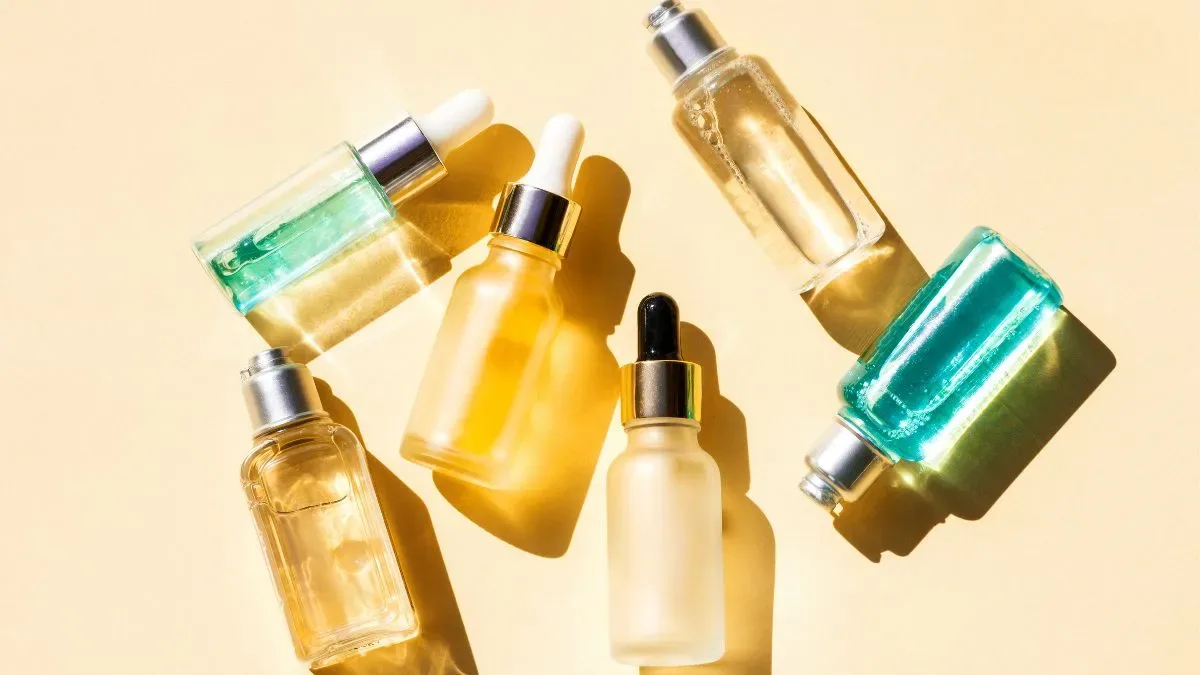
Beyond GLP-1s: 5 Peptides Transforming Health After 50
Peptides, the signaling molecules built from amino acids, are emerging as precise tools for targeted wellness, especially as the body's natural production declines after 50. Learn which five peptides can help restore vitality, repair tissue, and combat aging-related inflammation.
6 min read
Beyond Ozempic: The Peptide Revolution in Health
Discover how natural peptides are challenging the pharmaceutical industry, offering a new paradigm for healing, metabolic health, and cognitive enhancement amidst evolving regulatory landscapes.
10 min read