Ozempic Craze and More: Reader Letters – Dec. 7, 2025
Letters to the editor address various pressing issues. Topics range from the implications of widespread GLP-1 drug use to concerns about educational costs and gun laws.
The Shotlee Journal
Expert insights on GLP-1 medications, peptide therapy, and evidence-based approaches to weight management.
Loading articles...
Showing 9 / 1270 articles

Letters to the editor address various pressing issues. Topics range from the implications of widespread GLP-1 drug use to concerns about educational costs and gun laws.

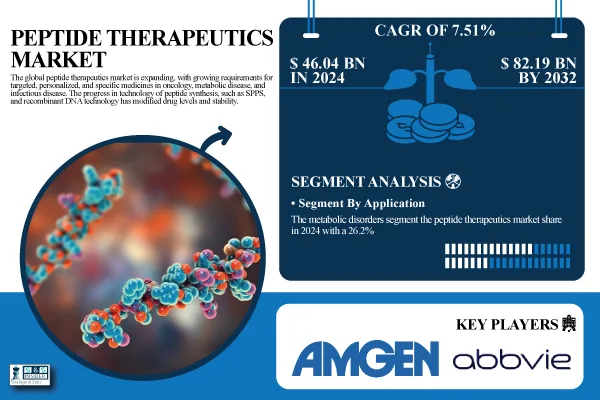
The global Peptide Therapeutics Market is experiencing substantial growth, projected to reach USD 82.19 billion by 2032. This expansion is fueled by the increasing need for specialized medications, particularly in oncology and metabolic diseases. The U.S. market is expected to reach USD 35.71 billion by 2032.

Food trends are constantly evolving. Nutrition experts predict certain themes will continue to gain traction, while new trends will emerge. Expect to see more products catering to specific dietary needs and preferences.

Weight loss medications, specifically GLP-1 receptor agonists, have been associated with an increased risk of chronic cough in individuals with type 2 diabetes. A recent study compared patients taking GLP-1s with those on other diabetes treatments, revealing a notable link between the drugs and persistent coughing.

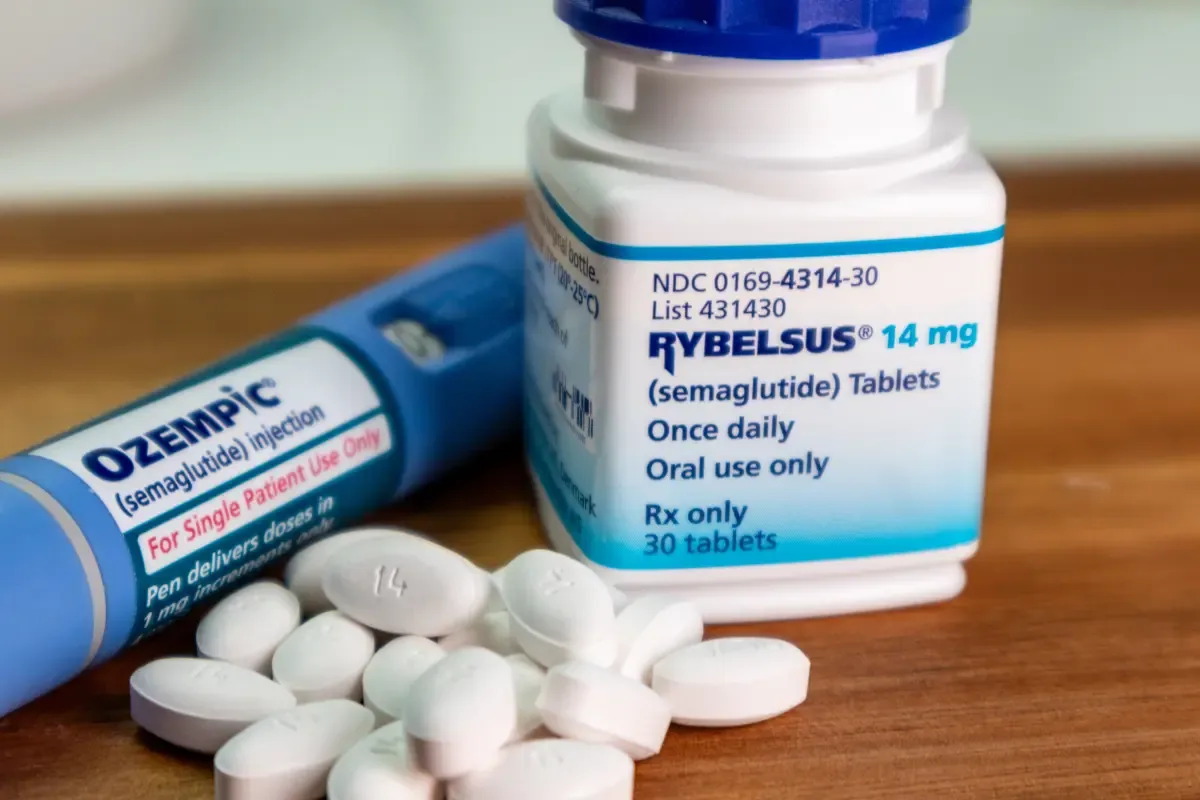
A biopharmaceutical firm is planning a pilot study using GLP-1 agonists on obese cats, similar to drugs like Ozempic and Wegovy used for human weight loss. The treatment involves microchip implants that release the drug over six months. Similar trials are planned for dogs.

Research indicates that discontinuing GLP-1 medications around conception or in early pregnancy might carry risks. The study links stopping these drugs to increased gestational weight gain and adverse pregnancy outcomes. Experts emphasize the need for further investigation to fully understand the implications.

In 2025, a noticeably thinner, but gaunt, face became a common sight in Hollywood. This was attributed to the use of rapid weight loss drugs, which led to a condition known as 'Ozempic face'. The drugs affected facial fat and skin health, causing sagging and impacting rejuvenation.

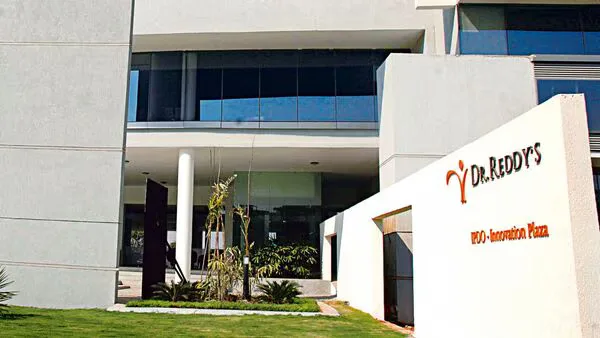
Dr. Reddy's Laboratories (DRL) is banking on semaglutide for future revenue, but faces challenges in securing timely approvals. The company aims to launch the drug domestically after patent expiration, while also navigating international regulatory hurdles.

An Indian court has granted Dr. Reddy's Laboratories Ltd permission to manufacture and export generic versions of Novo Nordisk's diabetes and obesity medications. This decision comes before the global patent expirations in 2026. The ruling allows export to countries without patent protection.