

The Peptide Phenomenon: What's Driving the Buzz?
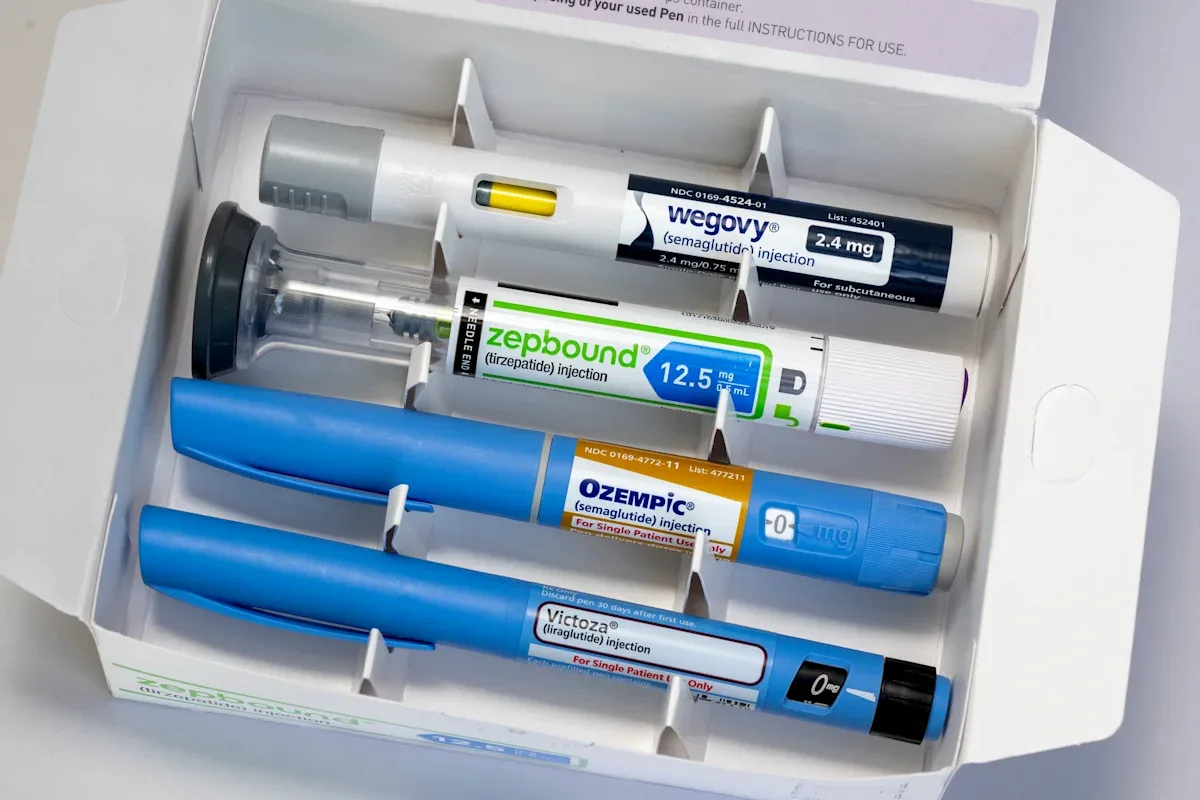
The conversation around peptides has surged, particularly with the widespread success of GLP-1 receptor agonists like semaglutide (found in Ozempic and Wegovy) and tirzepatide (Mounjaro) for weight loss and diabetes management. These compounds, along with a host of other experimental peptides, have captured public attention, leading some to dub it a 'peptide summer.' But what exactly are peptides, and what's behind this growing interest?
At their core, peptides are short chains of amino acids, the building blocks of proteins. They act as signaling molecules in the body, instructing cells to perform specific functions. Think of them as messengers. Insulin, a vital hormone for blood sugar regulation, is a well-known peptide. The medications that have recently taken the health and wellness world by storm, such as semaglutide and tirzepatide, are also peptides designed to mimic natural hormones that regulate appetite, blood sugar, and metabolism.
Beyond these FDA-approved therapeutic agents, a vast landscape of other peptides exists, some with decades of rigorous clinical research and others that are still in early stages of investigation. The current excitement, however, often centers on compounds that are not yet approved by regulatory bodies like the U.S. Food and Drug Administration (FDA). These are frequently marketed for 'research use only,' a designation that, while technically prohibiting human consumption, has become a loophole for individuals seeking these substances outside of conventional medical channels.
Navigating the Unapproved Peptide Landscape
The allure of enhanced physical performance, improved skin, and sharper mental acuity has fueled the demand for unapproved peptides. Compounds like retatrutide, currently undergoing Phase 3 trials by Eli Lilly, represent the cutting edge of research, aiming for even more significant weight loss outcomes. Another peptide, BPC-157, anecdotally praised for its potential in healing tendons and improving gut health, also falls into this category, with limited peer-reviewed scientific literature available.
This is where the medical community raises significant concerns. Unapproved peptides are not available for prescription, dispensing, or compounding by licensed healthcare providers. This means their use operates outside the established framework of medical oversight, safety protocols, and quality control that patients expect.
The Risks of Unvetted Compounds
Medical experts emphasize that using peptides that have not undergone rigorous clinical trials and FDA approval carries substantial risks. These include:
- Quality Variability: Without regulatory oversight, the purity, potency, and consistency of these compounds can be highly unpredictable.
- Unclear Dosing: Determining the correct and safe dosage for unapproved peptides is challenging, increasing the risk of adverse effects.
- Contamination: The manufacturing processes for these substances may not adhere to strict pharmaceutical standards, leading to potential contamination with harmful impurities.
- Lack of Long-Term Safety Data: The most significant concern is the absence of comprehensive data on the long-term health consequences of using these unproven peptides.
Dr. Jordan Shlain, founder of Private Medical, a concierge medical practice, has voiced strong opinions on this matter. He notes a lack of transparency and intellectual honesty in the marketing and use of many of these compounds. He warns that untested peptides could potentially trigger autoimmune reactions that may be irreversible. His stance is clear: his perspective will shift only when robust clinical trials demonstrate a tangible benefit, stating that currently, much of the activity resembles 'theater' rather than evidence-based medicine.
The Sourcing Challenge and Ethical Considerations
A significant hurdle in the peptide market is sourcing. Many of these compounds originate from overseas, with China being a primary source. Verifying the quality and authenticity of peptides obtained through these channels is exceptionally difficult. This lack of transparency extends to the marketing and distribution of these substances. Individuals involved in promoting peptides often receive influencer commissions for referrals, creating a potential conflict of interest and encouraging the promotion of products that haven't been thoroughly vetted.
The desire for profit is undeniably a driving force behind the surge in peptide popularity. However, this pursuit must be balanced against the paramount importance of patient safety and ethical medical practice. The potential for serious health complications from unapproved substances cannot be overstated.
Precision tracking for your journey
Join thousands using Shotlee to accurately track GLP-1 medications and side effects.
📱 Get the Shotlee App
Track your GLP-1 medications, peptides, and health metrics on the go with our mobile app!
Understanding Approved Peptide Therapies: GLP-1 Agonists
In contrast to the unapproved landscape, FDA-approved GLP-1 receptor agonists represent a significant advancement in medical treatment. These medications have demonstrated efficacy and safety through extensive clinical trials.
How GLP-1 Agonists Work
GLP-1 (glucagon-like peptide-1) is a naturally occurring hormone produced in the gut. When you eat, it signals your brain that you're full, slows down digestion, and prompts your pancreas to release insulin, which lowers blood sugar. GLP-1 receptor agonists are synthetic versions that mimic these actions, leading to:
- Reduced appetite and increased feelings of fullness
- Slower gastric emptying, which contributes to satiety
- Improved insulin sensitivity and glucose control
Key Medications and Their Applications
The most prominent examples include:
| Medication Name | Active Ingredient | Primary Approved Uses | Status |
|---|---|---|---|
| Ozempic | Semaglutide | Type 2 Diabetes | FDA Approved |
| Wegovy | Semaglutide | Chronic Weight Management | FDA Approved |
| Mounjaro | Tirzepatide | Type 2 Diabetes | FDA Approved |
| Retatrutide | (Experimental) | Weight Management (In trials) | Investigational |
These approved therapies are prescribed by healthcare professionals who monitor patients for efficacy and potential side effects, ensuring a level of safety and accountability absent in the unapproved market. For individuals managing chronic conditions or seeking weight loss, these medications, when prescribed appropriately, offer a scientifically validated path forward.
The Role of Health Tracking and Professional Guidance
For anyone considering or currently using peptide therapies, especially those prescribed by a doctor, diligent health tracking is crucial. Tools that help monitor symptoms, track medication adherence, and record any adverse effects can provide invaluable data for both the patient and their healthcare provider. Platforms like Shotlee can empower individuals to take an active role in managing their treatment, ensuring that progress is visible and potential issues are identified early.
This data can be particularly important when discussing treatment adjustments, understanding individual responses to medication, and contributing to the broader understanding of these therapies. Working closely with a qualified healthcare professional is non-negotiable. They can assess individual suitability, prescribe appropriate treatments, manage dosages, and monitor for side effects, ensuring that the pursuit of health goals is conducted safely and effectively.
Practical Takeaways
The world of peptide therapy is complex and rapidly evolving. Here are key takeaways:
- Distinguish Approved vs. Unapproved: FDA-approved peptides like semaglutide and tirzepatide have undergone rigorous testing and are prescribed by doctors. Unapproved peptides carry significant, unquantified risks.
- Prioritize Safety: Never use unapproved peptides. The potential for unknown side effects, contamination, and lack of long-term data is too high.
- Consult Healthcare Professionals: Always discuss any interest in peptide therapy with a qualified doctor. They can guide you on safe, evidence-based options.
- Embrace Health Tracking: If you are on an approved peptide therapy, use tools to monitor your progress and any symptoms. This data is vital for your doctor.
- Be Wary of Hype: The marketing around some peptides promises dramatic results. Always approach such claims with skepticism and seek scientific evidence.
Conclusion
The rise of peptide therapy, particularly GLP-1 agonists, marks a significant moment in medicine, offering new avenues for managing chronic conditions and weight. While the potential benefits are substantial, it's critical to differentiate between scientifically validated, FDA-approved treatments and the largely unvetted world of experimental peptides. The medical community's warnings about unapproved compounds are not to be taken lightly. By prioritizing safety, seeking professional medical guidance, and staying informed, individuals can navigate the exciting, yet sometimes uncertain, landscape of peptide therapy responsibly.