
The Allure of Pharmacy Savings: Understanding Prescription Drug Coupons
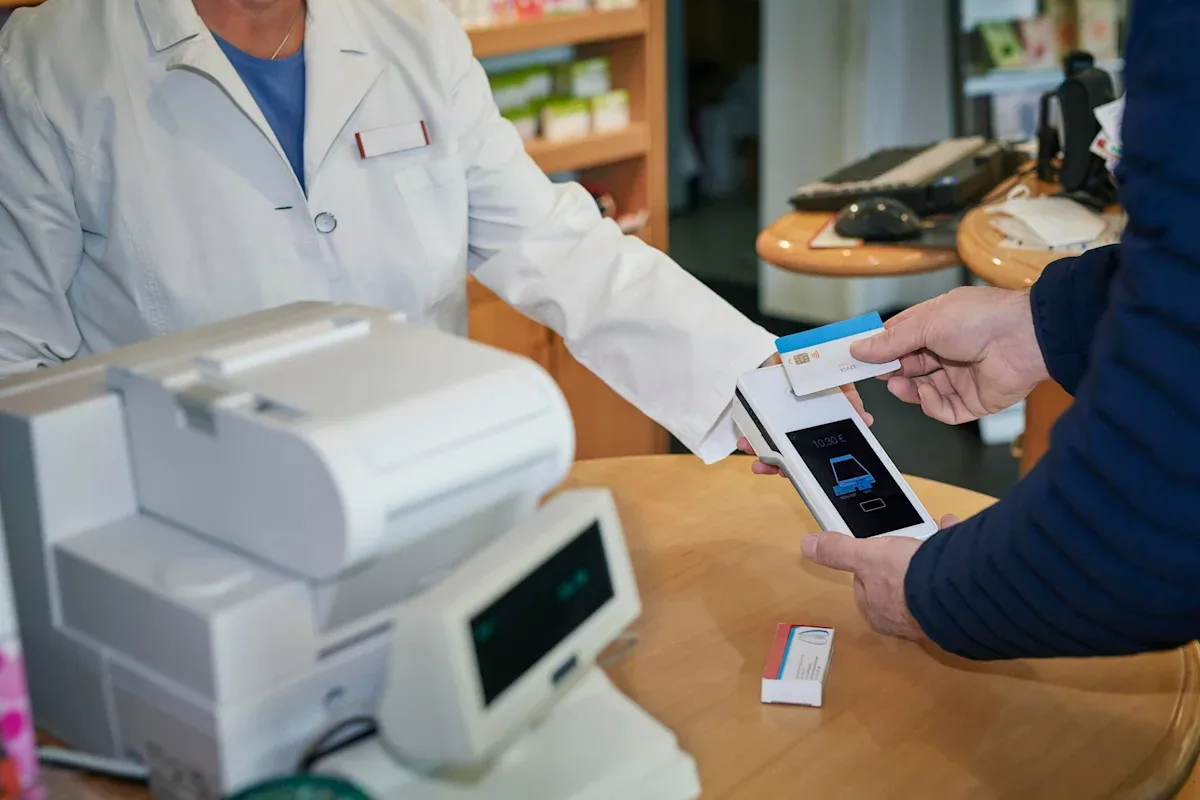
The next time you're at the pharmacy, you might be presented with an offer for a prescription drug coupon. At first glance, these discounts, promising savings that can reach hundreds of dollars, appear to be a straightforward financial boon. However, the decision to accept one is far more complex than it seems, particularly for individuals navigating the landscape of commercial health insurance. While the rising cost of prescription drugs is a significant concern for many, the use of manufacturer-sponsored drug coupons by those with insurance has seen a notable shift in recent years.
A study published in the Journal of the American Medical Association highlights this trend, indicating that despite manufacturers continuing to offer a high volume of these coupons, many commercially insured patients still face affordability issues. As So-Yeon Kang, the study's lead author and an assistant professor at Georgetown University, explains, "Patients are at the intersection and battle place between these payers and manufacturers." This dynamic creates a situation where the immediate savings offered by a coupon might mask more significant long-term financial consequences.
How Manufacturer Coupons Differ from Discount Services
It's crucial to distinguish between manufacturer-sponsored coupons and services like GoodRx. Manufacturer coupons are typically distributed directly by drug companies, either online or at the pharmacy counter. Their primary purpose is to incentivize the use of a specific brand-name drug, making it more competitive against other options, including potentially cheaper generic alternatives. Patients pay less out-of-pocket in the short term, which encourages brand loyalty.
In contrast, discount card services like GoodRx work by negotiating lower bulk pricing for medications and passing those savings directly to consumers. These services aim to provide a general reduction in drug costs, whereas manufacturer coupons are a targeted marketing tool.
Insurers often argue that these manufacturer coupons unfairly burden them. They contend that by encouraging the use of more expensive brand-name drugs, these coupons lead to higher monthly premiums for all policyholders, shifting the cost burden to consumers rather than the manufacturers.
Who Benefits Most from Prescription Drug Coupons?
For the Uninsured
For individuals without any form of health insurance, manufacturer-sponsored coupons can indeed be a valuable tool for managing medication costs. This is especially true if there isn't a more affordable generic version of the prescribed drug available. Initiatives like the federally funded TrumpRx prescription drug dashboard aim to consolidate some of these discount offers, providing a centralized resource for patients seeking savings.
Michelle Long, a senior policy manager at KFF who specializes in patient and consumer protections, acknowledges the potential savings, stating, "For a lot of people who take certain medications, there really could be some real savings." However, it's important to note that these portals, including TrumpRx, often list a limited selection of drugs compared to the vast number approved by the FDA. Furthermore, drug coupons have expiration dates and limitations. Once these are exhausted, uninsured consumers may find themselves responsible for the full price of the medication.
For Those with Commercial Health Insurance
The situation becomes considerably more complex for individuals with commercial health insurance. The decision to use a coupon hinges on several factors, including whether the drug is covered by the insurance plan and how the coupon interacts with deductibles and out-of-pocket maximums.
When to Consider a Coupon (with Insurance)
If a prescribed drug is not covered by your insurance plan, or if you are prepared to pay entirely out-of-pocket, a manufacturer coupon might be a viable option. Additionally, if you anticipate reaching your annual deductible through other medical expenses, using a coupon for a specific medication could reduce your immediate out-of-pocket spending at the pharmacy. However, a critical caveat exists:
Precision tracking for your journey
Join thousands using Shotlee to accurately track GLP-1 medications and side effects.
📱 Get the Shotlee App
Track your GLP-1 medications, peptides, and health metrics on the go with our mobile app!
The value of the coupon often does not count towards your insurance deductible or out-of-pocket maximum.
This means that while you save money at the moment, you might not be progressing towards the point where your insurance begins to cover a larger portion of your healthcare costs.
When to Avoid a Coupon (with Insurance)
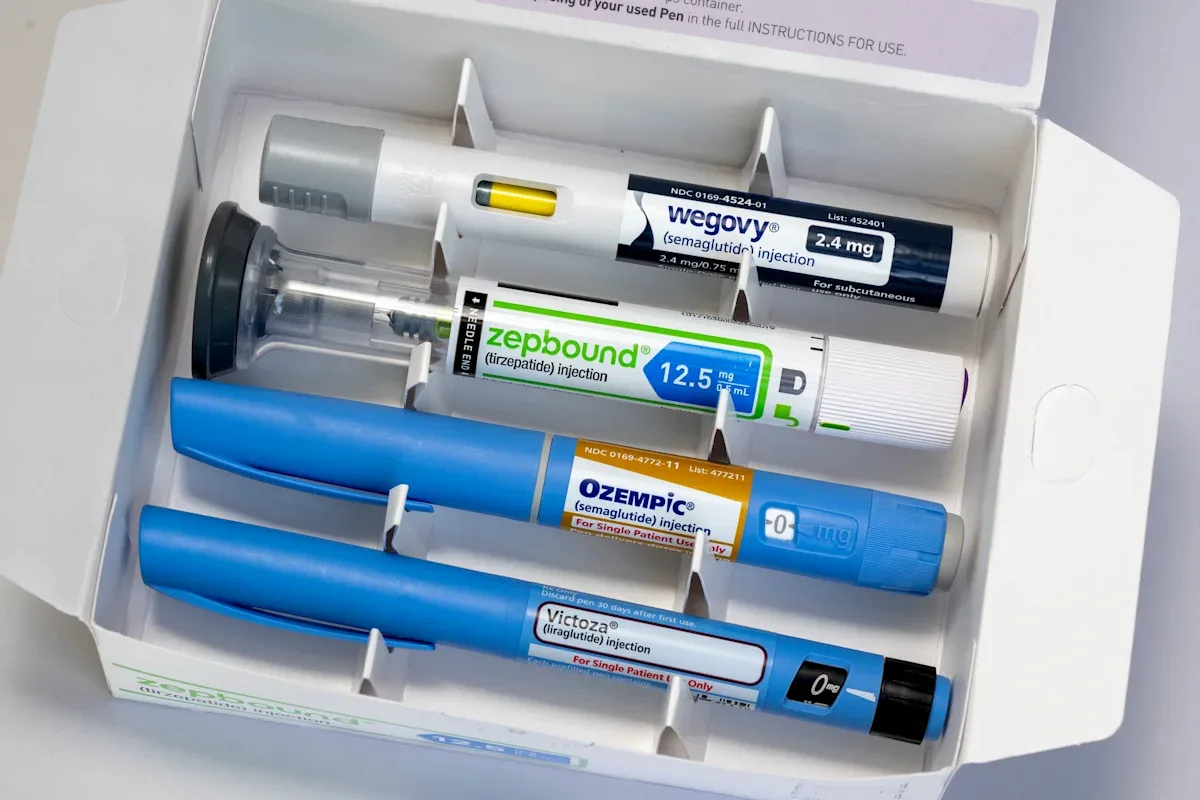
For most individuals with insurance and relatively low annual medical costs, it is generally advisable to avoid manufacturer coupons, especially if a generic alternative is available and covered by your plan. Using a coupon in these scenarios can lead to indirect costs that outweigh the immediate savings. This is particularly relevant for medications like GLP-1 agonists, used for weight loss and diabetes management. Kang's study observed a significant drop in coupon use for these drugs among commercially insured individuals, suggesting a shift towards cash payments as prices decrease and insurers become more selective with coverage.
Understanding Copay Accumulators and Maximizers
Insurers have implemented programs designed to mitigate the impact of manufacturer coupons, often under seemingly beneficial names like "Employee Savings Programs." These programs can effectively neutralize the long-term value of coupons:
- Copay Accumulators: These programs allow you to use a manufacturer coupon to reduce your immediate out-of-pocket cost. However, the amount paid by the coupon does not count towards your deductible or annual out-of-pocket maximum. Consequently, you may end up paying more over the year as you fail to reach the thresholds where your insurance coverage kicks in more significantly.
- Copay Maximizers: Similar to accumulators, these programs prevent coupon payments from contributing to your deductible. They employ a third-party administrator to adjust your copayments throughout the year, effectively matching the value of the manufacturer's coupon. This means that while you see savings initially, the overall financial benefit is diminished, and you might still be responsible for higher costs later in the year.
These programs can create a situation where patients experience short-term savings but face higher overall healthcare expenses in the long run.
Special Considerations: Medicare and Medicaid
Individuals enrolled in Medicare or Medicaid programs are generally prohibited from using manufacturer-sponsored prescription drug coupons. This prohibition stems from federal anti-kickback laws, which are designed to prevent any form of remuneration that could influence purchasing decisions for services covered by federal healthcare programs. Waiving copays or selling products below fair-market value falls under this restriction, making manufacturer coupons ineligible for beneficiaries of these programs.
The Evolving Landscape of Drug Pricing and Savings
The interplay between drug manufacturers, insurance providers, and consumers is intricate. While coupons offer an immediate way to reduce out-of-pocket expenses, their long-term implications, especially for those with insurance, warrant careful consideration. The trend of insurers implementing copay accumulator and maximizer programs underscores the ongoing efforts to control costs and ensure that discounts contribute meaningfully to a patient's overall healthcare cost-sharing.
For patients managing chronic conditions or expensive medications, understanding these mechanisms is vital. Tools that help track medication adherence, doses, and out-of-pocket expenses, like those offered by Shotlee, can provide valuable insights into your personal healthcare finances. By staying informed and utilizing available resources, you can make more informed decisions about your prescription medications and navigate the complexities of drug pricing effectively.
Practical Takeaways
- Uninsured? Manufacturer coupons and discount portals can offer significant short-term savings.
- Insured? Understand how coupons interact with your deductible and out-of-pocket maximum.
- Beware of Accumulators/Maximizers: These programs can negate the long-term benefits of coupons.
- Check Coverage First: Always verify if your insurance covers the drug and if a generic is available.
- Consult Your Doctor: Discuss the most cost-effective treatment options with your healthcare provider.
Conclusion
Prescription drug coupons present a double-edged sword. While they can offer immediate relief from high medication costs, especially for the uninsured, their use by those with commercial insurance requires a deeper understanding of how they interact with insurance plans. The potential for hidden costs, driven by copay accumulator and maximizer programs, means that short-term savings might lead to higher overall healthcare expenditures. By carefully evaluating your insurance coverage, understanding the terms of any offered coupon, and consulting with healthcare providers, you can make the most financially sound decisions regarding your prescription medications.