

Introduction: The Rising Star of Peptide Therapy
In the rapidly evolving landscape of modern wellness and medicine, peptides have emerged as a focal point of intense interest. From the widespread adoption of GLP-1 agonists for weight loss to the niche use of regenerative peptides for injury recovery, the potential applications are vast. However, as with any potent therapeutic intervention, the science presents a nuanced picture.
Wellness expert and naturopath Erin O'Hara has highlighted a critical distinction in the conversation: while peptides can offer targeted benefits, the safety profile depends entirely on regulation, sourcing, and medical oversight. This article delves into the current scientific understanding of peptide therapy, examining the promise of compounds like semaglutide and tirzepatide alongside the risks associated with unregulated alternatives.
Whether you are considering Ozempic, Wegovy, or Mounjaro for metabolic health, or exploring research peptides for tissue repair, understanding the data is essential for making informed decisions. Below, we break down the biology, the regulatory landscape, and the practical steps for safe implementation.
Understanding the Science of Peptides
At their core, peptides are short chains of amino acids, the building blocks of proteins. While proteins are large, complex molecules, peptides are smaller and often function as signaling molecules within the body. They act as messengers, telling cells to perform specific tasks.
How Peptides Influence Health
The body naturally produces thousands of peptides to regulate functions ranging from digestion to immune response. When introduced therapeutically, synthetic or bio-identical peptides can mimic these natural signals. This mechanism allows for targeted effects rather than the broad systemic impact seen in traditional pharmaceuticals.
For instance, certain peptides bind to receptors on the surface of cells to trigger pathways that reduce inflammation or stimulate tissue growth. This specificity is what makes peptide therapy so appealing to both medical professionals and patients seeking holistic wellness solutions.
Approved vs. Experimental: The Regulatory Landscape
One of the most critical factors in peptide therapy is the distinction between FDA-approved medications and compounded or research-use-only peptides. This distinction directly impacts safety, efficacy, and legal status.
FDA-Approved Peptides
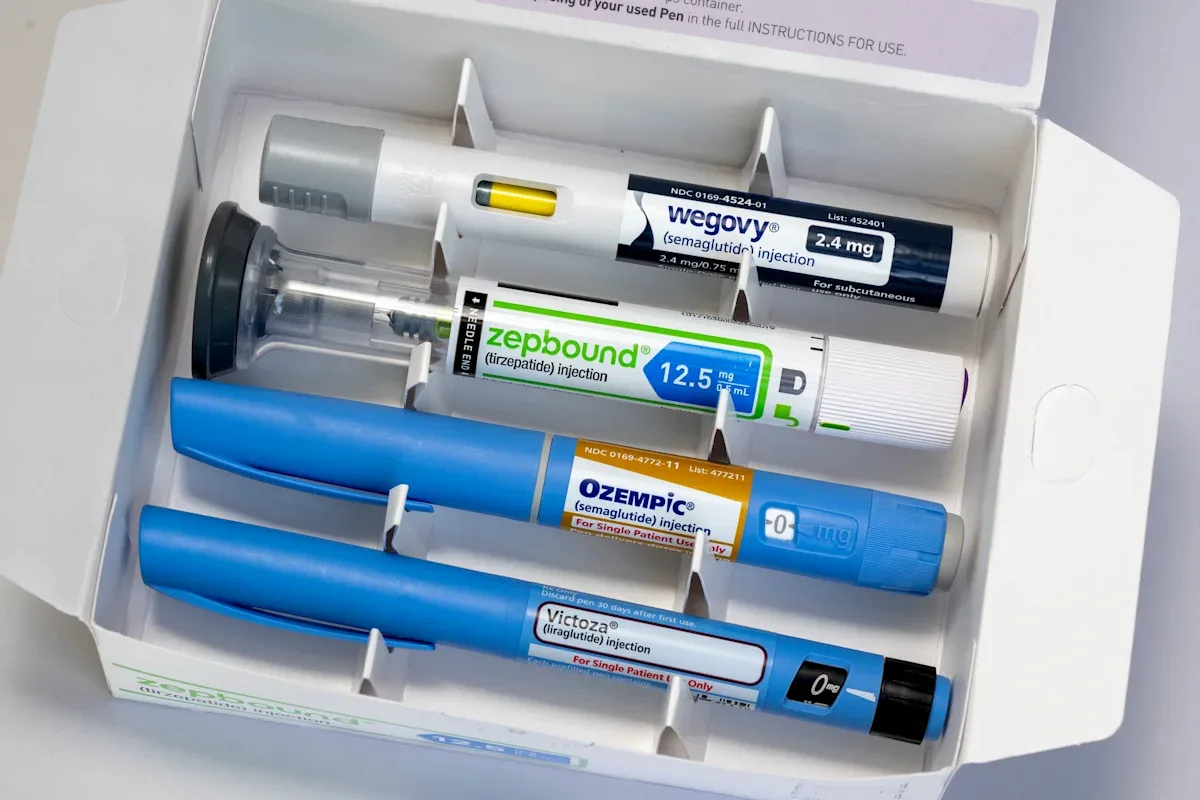
The most prominent class of peptides currently in the public eye are GLP-1 (Glucagon-like peptide-1) agonists. Drugs such as semaglutide (marketed as Ozempic or Wegovy) and tirzepatide (marketed as Mounjaro) have undergone rigorous clinical trials. They are proven to be safe and effective for treating type 2 diabetes and, in specific formulations, for chronic weight management.
Because these medications are FDA-approved, they are manufactured under strict Good Manufacturing Practice (GMP) standards. This ensures purity, accurate dosing, and the absence of harmful contaminants.
Research and Compounded Peptides
Conversely, many peptides touted for injury healing, such as BPC-157, or immune support, such as Thymosin, do not hold FDA approval for human use in many jurisdictions. These are often classified as "research chemicals" or are compounded by pharmacies.
While they lack the same level of clinical data as approved drugs, anecdotal evidence and preclinical studies suggest potential benefits. However, the absence of FDA oversight means quality control is not guaranteed unless a specific pharmacy is licensed and regulated.
Potential Benefits and Clinical Applications
Despite the regulatory complexities, the therapeutic potential of peptides is supported by a growing body of scientific literature. The benefits generally fall into three primary categories: metabolic health, tissue regeneration, and immune modulation.
- Metabolic Health and Weight Loss: GLP-1 agonists mimic the hormone GLP-1, which increases insulin secretion, slows gastric emptying, and reduces appetite. This leads to significant weight loss and improved glycemic control.
- Injury Healing: Peptides like BPC-157 have shown promise in animal models for accelerating the healing of tendons, ligaments, and muscles. They are believed to promote angiogenesis (the formation of new blood vessels) and reduce inflammation.
- Immune Support: Certain peptides, such as those derived from the thymus, are studied for their ability to modulate the immune system. This is often explored in the context of autoimmune conditions or general immune resilience.
Comparing Peptide Types
Understanding the difference between metabolic peptides and regenerative peptides is vital for setting expectations. The table below outlines key distinctions.
| Feature | FDA-Approved (e.g., Semaglutide) | Research/Compounded (e.g., BPC-157) |
|---|---|---|
| Primary Use | Diabetes and Weight Management | Healing, Anti-inflammatory, Regenerative |
| Clinical Data | Rigorous Phase III Trials | Preclinical or Limited Human Studies |
| Safety Profile | Well-Documented | Variable based on Sourcing |
| Regulation | Strict GMP Standards | Varies by Pharmacy or Supplier |
Risks and Safety Concerns
While the benefits are enticing, the risks cannot be ignored. As Erin O'Hara notes, improperly sourced peptides may contain contaminants, leading to severe reactions. This is a significant concern in the unregulated market.
Precision tracking for your journey
Join thousands using Shotlee to accurately track GLP-1 medications and side effects.
📱 Get the Shotlee App
Track your GLP-1 medications, peptides, and health metrics on the go with our mobile app!
Sourcing and Contamination
Because many peptides are not manufactured by major pharmaceutical companies, they are often sourced from international laboratories. Without strict quality control, there is a risk of:
- Endotoxins: Bacterial byproducts that can cause fever, shock, or organ damage.
- Incorrect Dosage: Powdered peptides can be difficult to measure accurately, leading to under-dosing or overdosing.
- Impurities: Residual solvents or unreacted amino acids may remain in the final product.
Side Effects
Even FDA-approved peptides carry side effects. Common issues with GLP-1 therapies include gastrointestinal distress, nausea, and fatigue. For unregulated peptides, side effects are less predictable. Long-term safety data for many regenerative peptides is simply not available yet.
Monitoring Progress and Health Tracking
Safety is not just about the product; it is also about how you manage the therapy. Whether you are on a prescribed GLP-1 or a compounded peptide, monitoring your body's response is crucial. This is where digital health tools become invaluable.
The Role of Data in Safety
Tracking symptoms, dosage, and physiological changes allows you and your healthcare provider to identify adverse reactions early. For example, if you are using a peptide for weight loss, tracking your caloric intake alongside blood glucose levels can provide a clearer picture of efficacy.
Platforms like Shotlee enable users to log health data in a centralized location. By recording doses, symptoms, and progress metrics, you create a data trail that can be shared with medical professionals. This ensures that any adjustments to your therapy are based on evidence rather than guesswork.
Practical Takeaways for Patients
To navigate the complex world of peptide therapy safely, consider the following guidelines:
- Consult a Professional: Never self-prescribe. Work with a licensed provider who understands peptide pharmacology.
- Verify Sources: Ensure your peptides come from a licensed compounding pharmacy with a Certificate of Analysis (COA).
- Track Your Symptoms: Use health tracking apps to monitor how you feel and what you experience.
- Start Low and Slow: Begin with the lowest effective dose to assess tolerance.
- Awareness of Interactions: Discuss all supplements and medications with your doctor to avoid interactions.
Conclusion
Peptide therapy represents a frontier in personalized medicine. From the established efficacy of GLP-1s like semaglutide to the emerging potential of regenerative compounds, the science offers hope for improved health outcomes. However, the promise comes with responsibility.
By prioritizing FDA-approved options where possible, sourcing from reputable providers, and diligently tracking your health data, you can mitigate risks while maximizing benefits. As the field matures, transparency and medical supervision will remain the cornerstones of safe and effective peptide therapy.
Frequently Asked Questions
1. Are all peptides FDA-approved?
No. While drugs like Ozempic and Wegovy contain FDA-approved peptides, many other peptides used for healing or performance enhancement (such as BPC-157) are not approved by the FDA for human use and are often classified as research chemicals.
2. What are the risks of unregulated peptides?
Unregulated peptides may contain contaminants like endotoxins, bacteria, or incorrect dosages due to a lack of Good Manufacturing Practice (GMP) standards. This can lead to severe allergic reactions or toxicity.
3. How can I track my progress on peptide therapy?
Effective tracking involves logging your dosage, timing, and any physical or psychological symptoms. Digital health tools like Shotlee allow you to visualize this data over time to share with your healthcare provider.
4. What is the difference between GLP-1s and regenerative peptides?
GLP-1 agonists (like tirzepatide) primarily target metabolic pathways for weight loss and blood sugar control. Regenerative peptides (like BPC-157) are typically researched for tissue repair, inflammation reduction, and immune support.
5. Is it safe to source peptides online?
Sourcing online carries high risks unless the vendor is a licensed compounding pharmacy. It is safer to obtain prescriptions through a medical provider who can verify the quality and purity of the medication.