

GLP-1s Benefit Non-Responders Without Weight Loss: New Evidence
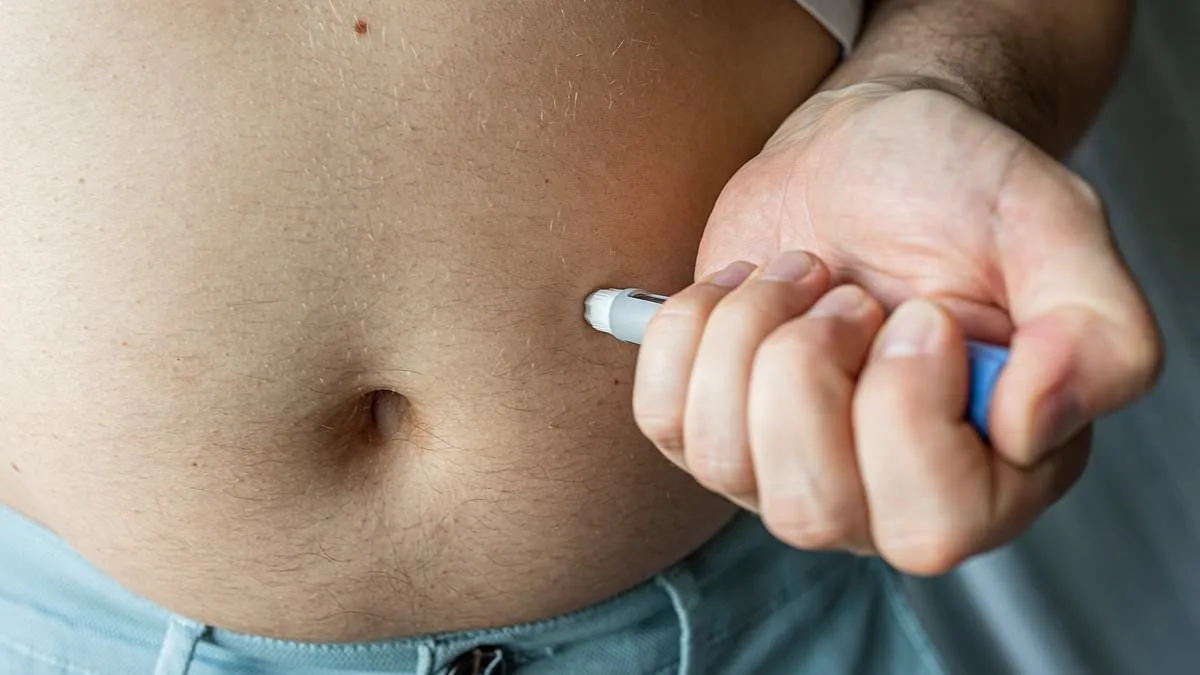
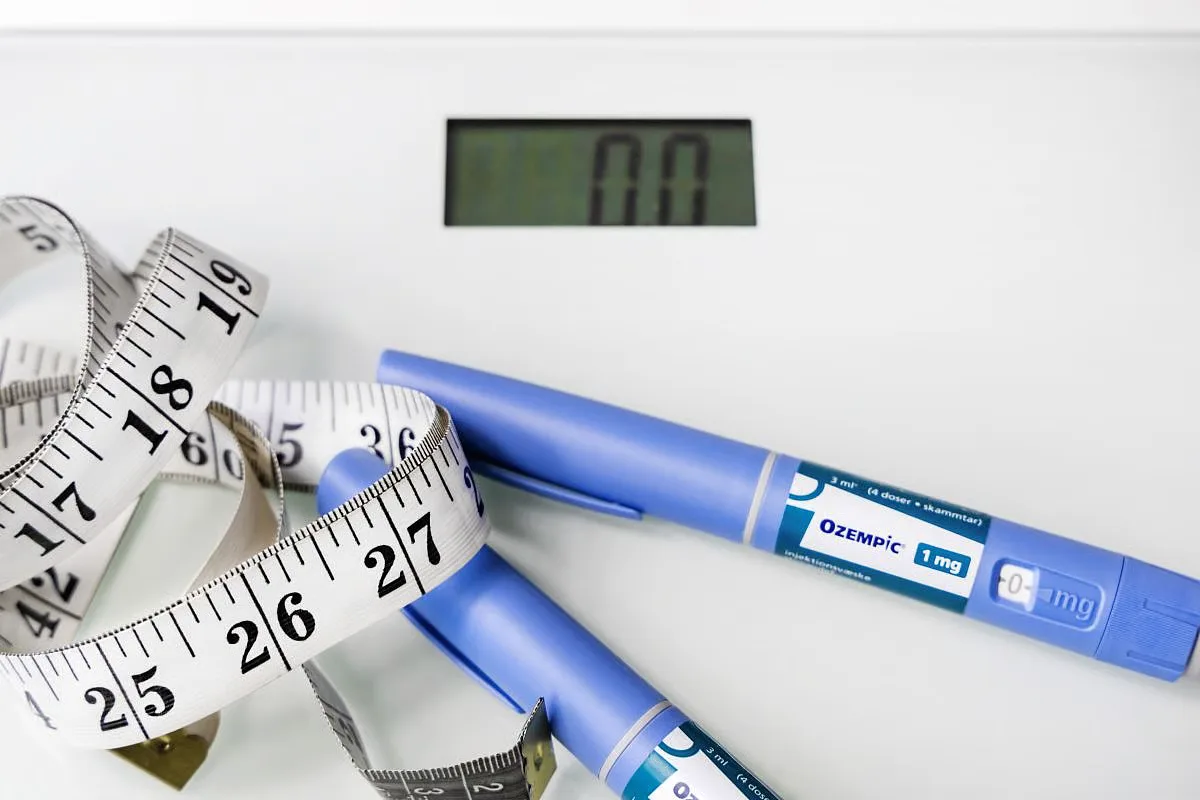
GLP-1 medications, such as Wegovy and Zepbound, have transformed weight management for many by curbing cravings, enhancing exercise enjoyment, and shedding stubborn pounds. However, for 10 to 15% of users—known as weight loss non-responders—these drugs fail to deliver substantial fat reduction, as seen in clinical trials. A recent study even suggested genetics may contribute to this variability. Yet, mounting evidence, including findings published Tuesday from Dr. Daniel Drucker's lab at the University of Toronto, reveals that GLP-1 benefits without weight loss are real and significant, particularly for liver and heart health.
What Are GLP-1 Medications and How Do They Work?
GLP-1 drugs mimic glucagon-like peptide-1 (GLP-1), a hormone that regulates insulin secretion, slows stomach emptying, and suppresses appetite. Key examples include Wegovy (semaglutide from Novo Nordisk) and Zepbound. Originally developed for type 2 diabetes, they've gained fame for obesity treatment. Beyond appetite control, these peptides influence metabolism, inflammation, and organ function—effects that persist even in non-responders.
Understanding these mechanisms is crucial for patients and providers. For instance, semaglutide directly targets GLP-1 receptors in various tissues, not just the brain's hunger centers. This multi-organ action explains benefits like reduced cardiovascular risks, independent of body weight changes.
The Reality of Weight Loss Non-Responders
Clinical trials indicate 10 to 15% of people trying GLP-1s like Wegovy and Zepbound see minimal weight loss. In Dr. Jody Dushay's practice at Beth Israel Deaconess Medical Center in Boston, 5 to 8% of patients are weight non-responders. "Insurance companies have historically required at least 5% weight loss after three to four months of treatment in order to continue covering GLP-1 treatment," Dushay noted. She advocates reconsidering this, given emerging metabolic benefits separate from weight loss.
Why Do Some People Not Lose Weight?
Factors like genetics, as hinted in a study published last week, may impair brain-mediated appetite suppression. However, this doesn't negate other therapeutic effects. Dushay emphasizes: "But with the increasing number of indications for these medications, we are going to see (or, we need to look for!) benefits in people who do not meet weight loss 'responder' criteria."
Breakthrough Findings on Liver Health: Wegovy and MASH
The latest research spotlights liver benefits. Wegovy (semaglutide) received U.S. Food and Drug Administration approval in August for metabolic dysfunction-associated steatohepatitis (MASH), a serious condition affecting about 6% of U.S. adults. Clinical trials showed it dramatically improved disease markers.
"For the most part, I think the dogma is that this improvement is driven by weight loss," said Dr. Daniel Drucker, a GLP-1 pioneer whose lab led the new study. "But we have seen hints in our lab that weight loss isn't the whole story."
Drucker's team, led by postdoctoral fellow Dr. Maria Gonzalez-Rellan, engineered lab mice as "weight non-responders" by eliminating GLP-1 receptors in the brain. "That allows us to then say, 'OK, if we prevent weight loss, because that's mediated by the brain, do we still see the benefits of GLP-1 and improving liver health?' " Drucker explained. "And the answer is: Absolutely, we see substantial benefits, even in the absence of weight loss."
The Key Mechanism: Liver Cells and Inflammation
The study pinpointed rare liver blood vessel cells stimulated by GLP-1. These cells signal the immune system to "quiet down inflammation." Validation came from mice lacking GLP-1 receptors in these cells: despite weight loss, no liver improvement occurred.
Precision tracking for your journey
Join thousands using Shotlee to accurately track GLP-1 medications and side effects.
📱 Get the Shotlee App
Track your GLP-1 medications, peptides, and health metrics on the go with our mobile app!
"It's elegant work," praised Dr. Harlan Krumholz, a Yale cardiologist uninvolved in the study. While mouse-based, it offers a "biologically plausible explanation for why some benefits of these drugs appear to extend beyond simple weight reduction."
Broader Benefits Independent of Weight Loss
GLP-1s' anti-inflammatory effects extend further. Clinical trials show reduced risks of heart attacks, strokes, and improved heart failure outcomes—even if participants don't lose weight or gain it.
A 2024 study from Wegovy's major cardiovascular outcomes trial found reduced risk of second heart attacks or strokes unrelated to weight loss. Author Professor John Deanfield from University College London suggested "positive impacts on blood sugar, blood pressure, or inflammation, as well as direct effects on the heart muscle and blood vessels." Similar patterns emerge in kidney disease.
Weight loss remains valuable for conditions like arthritis and sleep apnea, Drucker notes (disclosing consulting/speaking fees from GLP-1 makers). But these findings support tailored use.
Implications for Insurance, Dosing, and Patient Care
Drucker urges insurers and governments to evaluate GLP-1s based on benefits "across a wide range of very serious diseases," not just weight. This could expand access for non-responders.
Personalized dosing is key. "It's very important to understand: should we be trying to maximize the weight loss, and sometimes that means using the highest doses of the medicine, and sometimes that means more side effects?" Drucker said. For MASH, lower doses might suffice, reducing costs and adverse events like nausea and other gastrointestinal symptoms.
Patients should discuss GLP-1s with their doctor, especially if diagnosed with MASH, heart risks, or metabolic issues. Track progress beyond the scale—apps like Shotlee can help monitor symptoms, side effects, and medication adherence for better outcomes.
Safety Considerations and Side Effects
Common side effects include nausea, vomiting, diarrhea, and constipation, often dose-dependent and improving over time. Rare risks involve pancreatitis or thyroid issues. Compared to alternatives like bariatric surgery or older weight loss drugs, GLP-1s offer a non-invasive option with pleiotropic benefits. Always start low and titrate under medical supervision.
Key Takeaways: What This Means for Patients
- 10-15% are weight non-responders, but GLP-1s like Wegovy still improve liver (MASH), heart, and kidney health via anti-inflammation.
- Semaglutide targets liver blood vessel cells directly, independent of brain-mediated weight loss.
- Insurance policies mandating 5% weight loss after 3-4 months may need revision.
- Lower doses could optimize benefits for specific conditions, minimizing side effects and costs.
- Consult your provider; benefits extend beyond obesity to metabolic diseases.
Conclusion
Evidence is building that GLP-1 medications help even when weight loss stalls, challenging old paradigms. From Drucker's mouse models to real-world trials, these drugs offer hope for non-responders with MASH, cardiovascular risks, and more. By focusing on metabolic and anti-inflammatory effects, treatment can become more precise and inclusive. Speak with your healthcare team to explore if GLP-1s fit your needs.