

The Surprising Reproductive Side Effect of Weight Loss Drugs
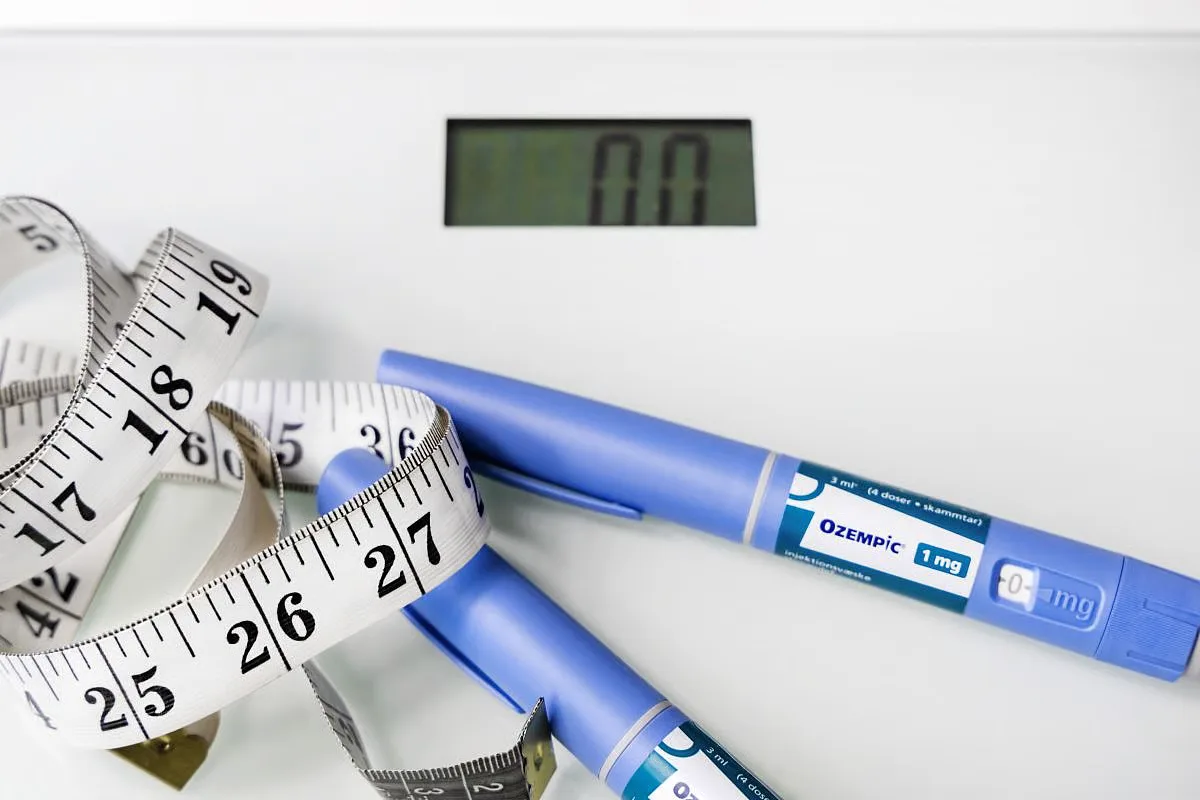
In recent years, GLP-1 agonists such as semaglutide and liraglutide have dominated headlines for their efficacy in treating Type 2 diabetes and aiding significant weight loss. However, emerging data suggests these powerful medications might offer benefits extending far beyond the scale. Preliminary research indicates that these drugs could play a pivotal role in restoring hormonal balance in men suffering from obesity-related hypogonadism.
A landmark review, presented at the Endocrine Society's annual meeting and highlighted by Nature news, sheds light on an area often overlooked in metabolic discussions: male reproductive health. Researchers from the University Hospitals Coventry and Warwickshire examined whether GLP-1 therapies could improve testosterone levels and sperm quality. The findings suggest that addressing the metabolic root cause of low testosterone—rather than simply replacing the hormone directly—might yield superior outcomes for both metabolic health and fertility.
The Hidden Link Between Excess Weight and Low Testosterone
To understand the significance of these new findings, it is essential to grasp why excess weight so profoundly impacts male hormone production. Adipose tissue, particularly visceral fat surrounding internal organs, is not inert storage. It is metabolically active, functioning almost like an endocrine organ itself.
In men with obesity, high levels of fat cells can increase the activity of an enzyme called aromatase. This enzyme converts circulating testosterone into estradiol (estrogen). As a result, total testosterone levels drop, and estrogen levels rise. This hormonal imbalance triggers the pituitary gland to reduce its secretion of luteinizing hormone (LH) and follicle-stimulating hormone (FSH), which signals the testes to produce less testosterone and fewer sperm.
This creates a cycle known as secondary or acquired hypogonadism. Unlike primary testicular failure, where the glands themselves are damaged, this form of low testosterone is driven by systemic inflammation, insulin resistance, and poor metabolic health. When the underlying metabolic environment improves, there is a possibility for the reproductive axis to recover function naturally.
Key Findings From the Latest Clinical Review
The research team conducted a rigorous examination of published randomized controlled trials (RCTs) involving healthy men aged 18 to 65. After screening for bias and eligibility, five clinical trials provided sufficient evidence for analysis. The results were compelling regarding safety and potential efficacy.
Semaglutide and Sperm Morphology Improvements
One of the key components of the review analyzed a 24-week study focusing on semaglutide. The data revealed that men taking the medication did not experience negative impacts on sexual function or reproductive hormones. Instead, researchers observed positive shifts in sperm quality. Specifically, improvements were noted in sperm morphology—the size and shape of the sperm cells. Proper morphology is critical for the sperm's ability to penetrate and fertilize an egg. Alongside these reproductive gains, participants also saw improvements in cholesterol profiles, reinforcing the link between metabolic health and gamete viability.
Liraglutide Outperforms Standard Testosterone Therapy
In another 16-week study, men with obesity-related low testosterone treated with liraglutide showed notable increases in testosterone and related hormones. Crucially, the research team compared these outcomes against men receiving traditional testosterone replacement therapy (TRT) alone. The group treated with liraglutide demonstrated better overall health outcomes.
This comparison highlights a fundamental difference in approach. While TRT raises serum testosterone levels artificially, it acts through negative feedback loops that often suppress the hypothalamus and pituitary gland, effectively halting natural sperm production. For men wishing to preserve fertility, TRT can sometimes render them temporarily infertile. In contrast, the liraglutide group achieved higher testosterone levels while maintaining—or potentially enhancing—physiological pathways necessary for spermatogenesis.
"This work supports a shift away from prescribing testosterone replacement in men with obesity and low testosterone and toward treating the underlying cause -- excess weight and poor metabolic health," said Dr. Pratibha Natesh, an endocrinologist and team leader at Warwick Medical School.
Why Treating the Root Cause Beats Symptom Management
The distinction between treating a symptom versus a condition is central to modern medicine, yet it remains frequently misunderstood. Testosterone deficiency in overweight men is often a symptom of metabolic syndrome, dyslipidemia, and chronic inflammation rather than a standalone disease.
Precision tracking for your journey
Join thousands using Shotlee to accurately track GLP-1 medications and side effects.
📱 Get the Shotlee App
Track your GLP-1 medications, peptides, and health metrics on the go with our mobile app!
By utilizing GLP-1 agents to facilitate weight loss, doctors address the inflammatory load on the body. Reduced inflammation leads to lower aromatase activity. As fat mass decreases, the conversion rate of testosterone to estrogen drops, allowing circulating testosterone to stabilize or rise naturally. Furthermore, improved insulin sensitivity helps restore the pulsatile release of hormones required for normal reproductive function.
This approach reframes GLP-1 medication not just as a tool for slimming down, but as a metabolic reset that restores endocrine harmony. The reproductive benefits observed are likely indirect, driven by the dramatic improvements in overall metabolic health rather than a direct pharmacological action on the testes. Nevertheless, for many patients, preserving fertility while losing weight was previously considered impossible with standard interventions.
Comparative Analysis: GLP-1 Agonists vs. Testosterone Replacement
Choosing between different therapeutic options requires a nuanced understanding of risks and benefits. The table below summarizes the key differences between using GLP-1 medications for metabolic regulation and standard TRT for low testosterone.
| Metric | GLP-1 Agonist (e.g., Semaglutide) | Traditional Testosterone Replacement |
|---|---|---|
| Primary Goal | Weight loss, blood sugar control, metabolic health | Increase serum testosterone levels |
| Fertility Impact | Potential improvement or neutral; preserves spermatogenesis | Often suppresses sperm production; requires hCG backup |
| Metabolic Effects | Positive (lowers lipids, improves insulin sensitivity) | Variable (can raise hematocrit, lipids vary) |
| Side Effects | Gastrointestinal issues, nausea, dehydration | Erythrocytosis, acne, sleep apnea, mood swings |
| Long-Term Efficacy | Dependent on continued adherence and lifestyle changes | Effective as long as administration continues |
Optimizing Your Health Journey with Digital Tracking
As the evidence base evolves, patients and providers must monitor progress closely to distinguish between expected therapeutic responses and side effects. Managing hormonal therapy requires precision, especially when considering the interplay between weight loss and hormone fluctuation.
Platforms like Shotlee provide valuable utilities for tracking health metrics that correlate with these findings. Because testosterone levels can fluctuate daily and are influenced by stress, sleep, and nutrition, documenting these variables is essential for accurate diagnosis. Patients undergoing GLP-1 therapy can use such tools to:
- Log Medication Doses: Track dosage titration schedules to identify when side effects peak or subside.
- Monitor Symptoms: Record energy levels and libido changes alongside physical measurements.
- Track Metabolic Markers: Visualize how improvements in weight and blood sugar correlate with other health indicators over time.
This longitudinal data helps clinicians make informed decisions about adjusting therapy or referring patients for further fertility testing if concerns arise.
Summary: What Men Should Know Before Starting Therapy
While the preliminary nature of these reviews means that GLP-1 medications are not yet FDA-approved specifically for male infertility, the implications for men's health are profound. The data offers reassurance to men concerned that weight loss treatments might harm their reproductive future. In fact, for those whose low testosterone stems from obesity, the opposite appears true.
Dr. Natesh emphasized that "improving metabolic health can have positive effects far beyond weight alone." This paradigm shift prioritizes holistic health, encouraging a move away from quick fixes like hormone injections and toward sustainable solutions that support the body's innate capacity to regulate itself.
Practical Takeaways:
- Clinical Context: Current findings indicate GLP-1s are safe for reproductive hormones and may enhance sperm quality in obese men.
- Fertility Preservation: GLP-1s may offer a pathway to fertility preservation where TRT would suppress sperm production.
- Data is Evolving: Larger studies are needed to confirm causality and establish optimal treatment protocols.
- Individual Response: Not every patient will experience hormonal changes solely through weight loss; consult specialists before stopping prescribed treatments.
- Comprehensive Care: Combine medication with dietary and lifestyle modifications for best metabolic outcomes.
Conclusion
The landscape of men's health is shifting. We are moving from viewing hormones as isolated numbers on a lab report to understanding them as complex signals deeply embedded in our metabolic ecosystem. Whether you are currently managing Type 2 diabetes, navigating obesity, or seeking to understand the relationship between weight and vitality, keeping an eye on clinical advancements is vital. As research matures, the hope remains that we can safely guide patients back to optimal health without compromising their future family-building goals.