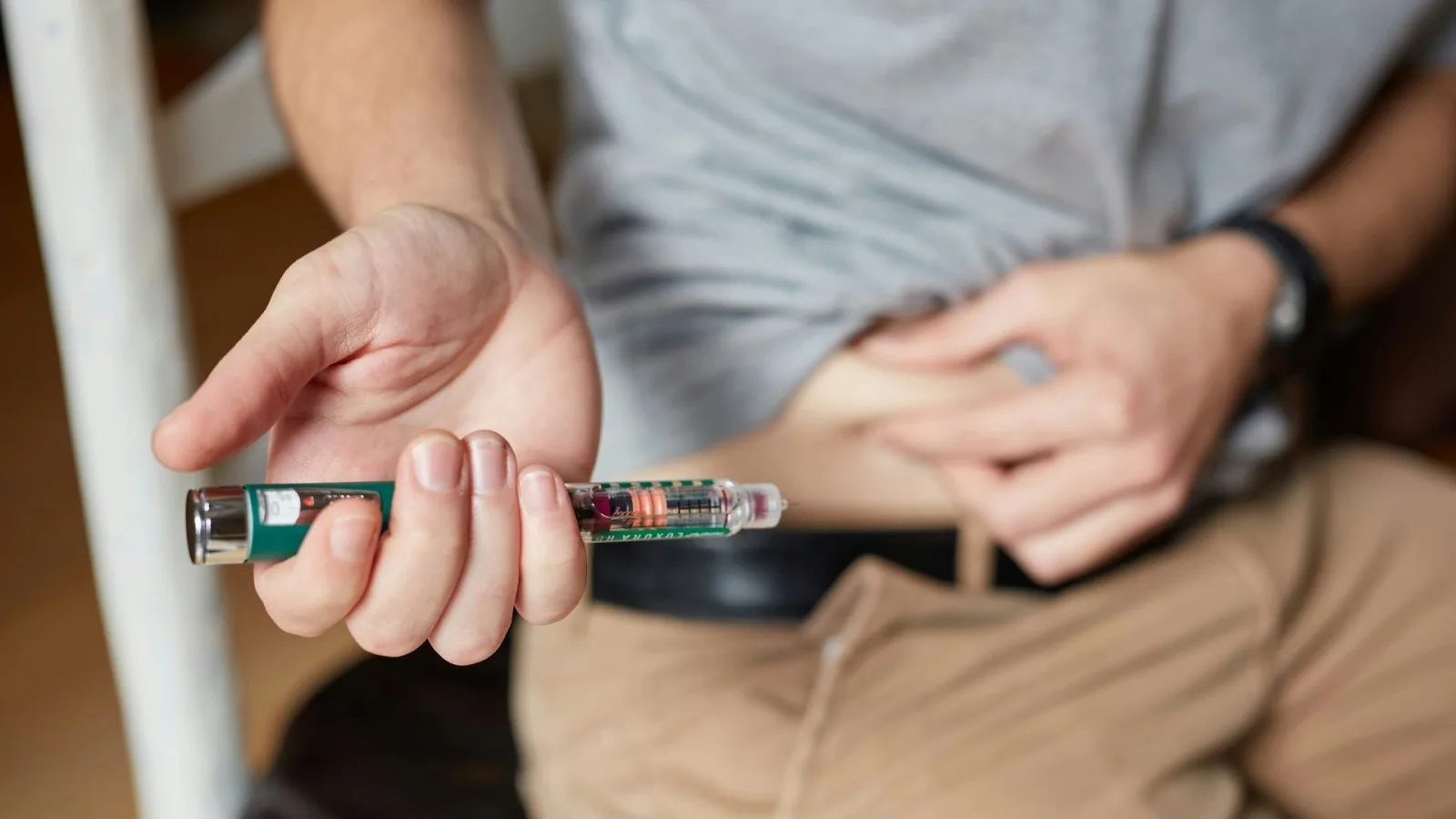


The Crucial Role of Consistency in GLP-1 Weight Loss Therapy
In the rapidly evolving landscape of weight management, GLP-1 receptor agonists have emerged as powerful tools, offering significant benefits for individuals seeking to lose weight and improve metabolic health. Medications such as semaglutide (found in Ozempic and Wegovy) and tirzepatide (found in Mounjaro and Zepbound) have transformed treatment paradigms. However, a recent preclinical study is shedding light on a critical aspect of their efficacy: the importance of consistent, uninterrupted use. For those considering or currently using these groundbreaking therapies, understanding the potential impact of stopping and restarting is paramount.
The findings from the Perelman School of Medicine at the University of Pennsylvania suggest that the benefits of these medications may not be fully realized if treatment is approached with a stop-and-start strategy. This research offers valuable insights for patients and healthcare providers alike, emphasizing that GLP-1 therapy might be a long-term commitment rather than a short-term intervention.
Understanding GLP-1 Medications and Their Popularity
Glucagon-like peptide-1 (GLP-1) receptor agonists mimic the action of a natural hormone that helps regulate appetite and blood sugar. They work by signaling to the brain that you are full, which can lead to reduced food intake and subsequent weight loss. Beyond weight management, these drugs also offer cardiovascular benefits and can improve glycemic control in individuals with type 2 diabetes.
The remarkable effectiveness and expanding indications for GLP-1s have led to their widespread adoption. In the United States, the use of these medications for weight loss has surged, with a notable percentage of adults reporting their use. This popularity, however, is accompanied by a common challenge: adherence. Many individuals find it difficult to maintain consistent medication schedules, leading to a significant number discontinuing therapy within a couple of years. While some may restart later, the long-term consequences of such cycling have remained an area of active investigation.
Preclinical Evidence: The Impact of Intermittent Treatment
To address the question of whether stopping and starting GLP-1 therapy affects its effectiveness, researchers conducted a compelling preclinical study using mice. The study, published in the Journal of Clinical Investigation Insight, aimed to determine if repeated breaks in semaglutide treatment would alter the drug's impact on weight loss.
The experiment involved two groups of overweight mice observed over a four-month period:
- Continuous Treatment Group: This group received a consistent, uninterrupted dose of semaglutide throughout the entire study duration.
- Intermittent Treatment Group: This group followed a cyclical regimen, receiving the drug for two weeks, followed by a two-week break. This pattern was repeated three times before the group transitioned to continuous treatment for the final two months of the study.
The initial results showed that both groups experienced similar weight loss during the first two weeks of treatment. However, a significant divergence emerged as the intermittent group began to experience weight regain during each break from the medication. Crucially, when the drug was reintroduced, the mice in the intermittent group were unable to achieve the same lowest weight they had reached previously.
By the conclusion of the four-month study, even after a prolonged period of steady treatment, the mice that had experienced intermittent therapy remained approximately 20 percent heavier than those in the continuous treatment group. This stark difference underscores the potential for diminished therapeutic returns when GLP-1 medications are not taken consistently.
Why Does Cycling Reduce Effectiveness? The Role of Body Composition
The observed reduction in effectiveness with intermittent GLP-1 use is believed to be linked to fundamental changes in body composition. GLP-1 mediated weight loss typically involves a significant loss of both fat and muscle mass. While fat loss is a primary goal, the concurrent loss of muscle can have downstream consequences.
Precision tracking for your journey
Join thousands using Shotlee to accurately track GLP-1 medications and side effects.
📱 Get the Shotlee App
Track your GLP-1 medications, peptides, and health metrics on the go with our mobile app!
When treatment is paused and weight is regained, the body tends to regain primarily fat rather than muscle. This shift alters the body's overall composition, increasing the fat-to-muscle ratio. Researchers utilized MRI to track these changes and identified a phenomenon that Dr. Thomas H. Leung, a lead author of the study, described as a "muscle floor."
"The body seems to receive a biological signal that it cannot afford to lose more muscle mass," he explained. "Once that muscle percentage hits a certain low point, the body may resist further weight loss to protect itself."
This protective mechanism, where the body becomes resistant to further weight loss after a certain threshold of muscle loss is reached, could explain why the intermittent group struggled to regain lost weight and achieve previous weight loss milestones. It suggests that consistent therapy is vital not only for initial weight reduction but also for preserving lean muscle mass, which is essential for long-term metabolic health and maintaining weight loss.
Implications for Patients and Healthcare Providers
These findings have significant implications for how GLP-1 therapies are prescribed and managed. The study strongly suggests that the effectiveness of these medications is heavily dependent on consistent use. This means that individuals considering GLP-1 treatment should be prepared for a long-term commitment.
Healthcare providers play a crucial role in educating patients about this aspect of treatment. Discussions should encompass not only the potential benefits and side effects but also the importance of adherence and the potential consequences of inconsistent use. For individuals who anticipate challenges with daily or weekly medication regimens, alternative strategies or a thorough discussion about the long-term commitment required for GLP-1s is essential.
Furthermore, the study highlights the importance of supporting patients in maintaining muscle mass during treatment. This can be achieved through:
- Regular Exercise: Incorporating strength training is vital for preserving and building muscle.
- Adequate Nutrition: Ensuring sufficient protein intake supports muscle repair and growth.
- Consistent Monitoring: Tracking progress, including body composition, can help identify potential issues early. Tools like Shotlee can be invaluable for logging medication doses, tracking weight changes, and noting any side effects or lifestyle factors that might impact adherence or effectiveness.
The research also opens avenues for future studies, particularly concerning newer medications like tirzepatide, which target multiple receptors involved in weight regulation. Understanding if similar "diminishing returns" occur with these advanced therapies is crucial for optimizing patient care.
Practical Takeaways for Your Weight Loss Journey
For individuals on GLP-1 medications like Ozempic, Wegovy, or Mounjaro, consistency is key. If you are considering these treatments, have an open conversation with your doctor about the long-term commitment and potential need for continuous therapy. If you are already using these medications:
- Prioritize Adherence: Strive to take your medication as prescribed without skipping doses or taking breaks unless advised by your doctor.
- Focus on Muscle Health: Integrate regular strength training and ensure a balanced, protein-rich diet.
- Track Your Progress: Use tools to monitor your weight, body composition, and any symptoms. This data can help you and your doctor make informed decisions.
Conclusion
The burgeoning field of GLP-1 receptor agonists offers unprecedented opportunities for weight management and metabolic health improvement. However, emerging research underscores that the full potential of these therapies is likely unlocked through consistent, uninterrupted use. The preclinical findings on semaglutide suggest that cycling these medications can lead to diminished effectiveness and potentially hinder long-term weight loss success, possibly due to negative impacts on body composition and a resulting resistance to further weight reduction. As research continues to illuminate the intricacies of these powerful drugs, patients and clinicians must work collaboratively to ensure adherence and implement comprehensive strategies that support both fat loss and muscle preservation, paving the way for sustainable health outcomes.