

Shotlee LogoShotlee
Blog
Download on theApp Store
Get it onGoogle Play
Skip to main content
GLP-1 Medications and Supplement Needs: What You Should Know - Featured image
Health & Wellness

GLP-1 Medications and Supplement Needs: What You Should Know

Dr. Adrian Vale, MD
Reviewed by Dr. Adrian Vale, MDInternal Medicine · Board-Certified Obesity Medicine
·May 21, 2026·6 min read

On this page

  • The Rise of GLP-1 Medications and Their Impact on Nutrition
  • Understanding Potential Micronutrient Deficiencies
  • Clinical Perspectives and Management Strategies
  • Navigating Supplementation with GLP-1 Therapy
  • The Evolving Landscape of Peptide Therapy and Nutritional Support
  • Practical Takeaways
  • Specific Micronutrients of Concern
  • The Role of Healthcare Providers
  • Personalized Supplementation
  • Key Considerations for Patients:

Track Smart

Calculate active GLP-1 levels automatically with Shotlee.

Download →

As GLP-1 medications gain popularity for weight loss and diabetes management, understanding their impact on nutrient absorption is crucial. This article explores the link between these powerful drugs and the rising demand for supplements, offering insights from medical professionals and research.

Share

On this page

  • The Rise of GLP-1 Medications and Their Impact on Nutrition
  • Understanding Potential Micronutrient Deficiencies
  • Clinical Perspectives and Management Strategies
  • Navigating Supplementation with GLP-1 Therapy
  • The Evolving Landscape of Peptide Therapy and Nutritional Support
  • Practical Takeaways
  • Specific Micronutrients of Concern
  • The Role of Healthcare Providers
  • Personalized Supplementation
  • Key Considerations for Patients:

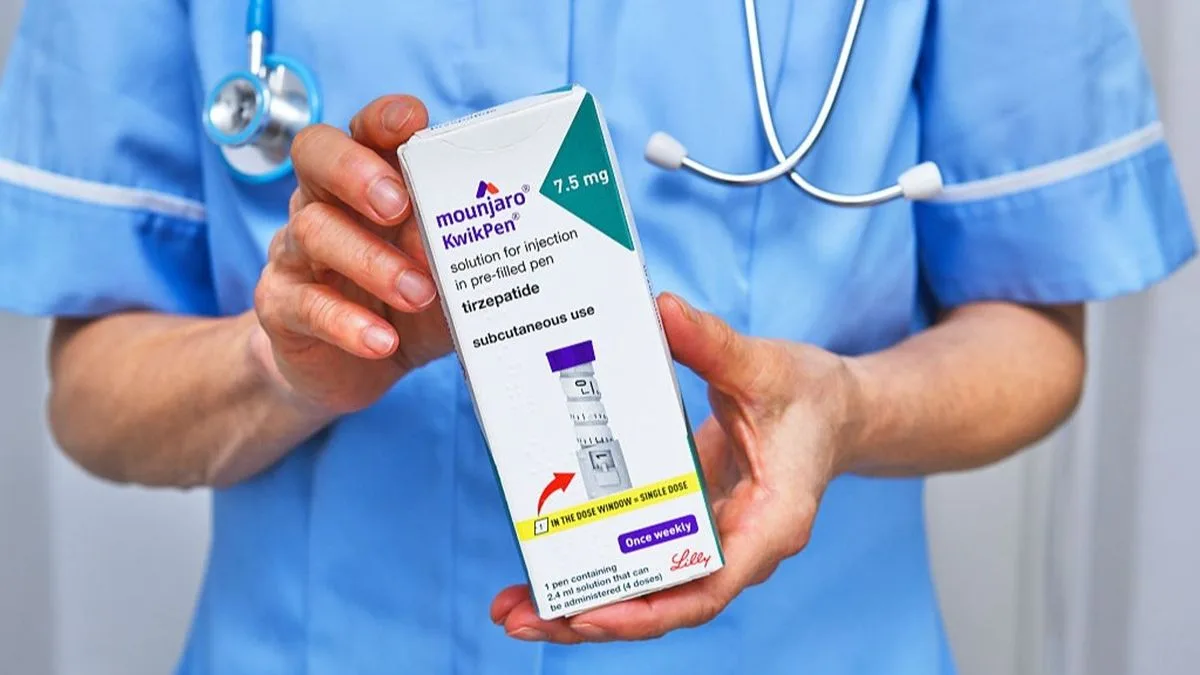
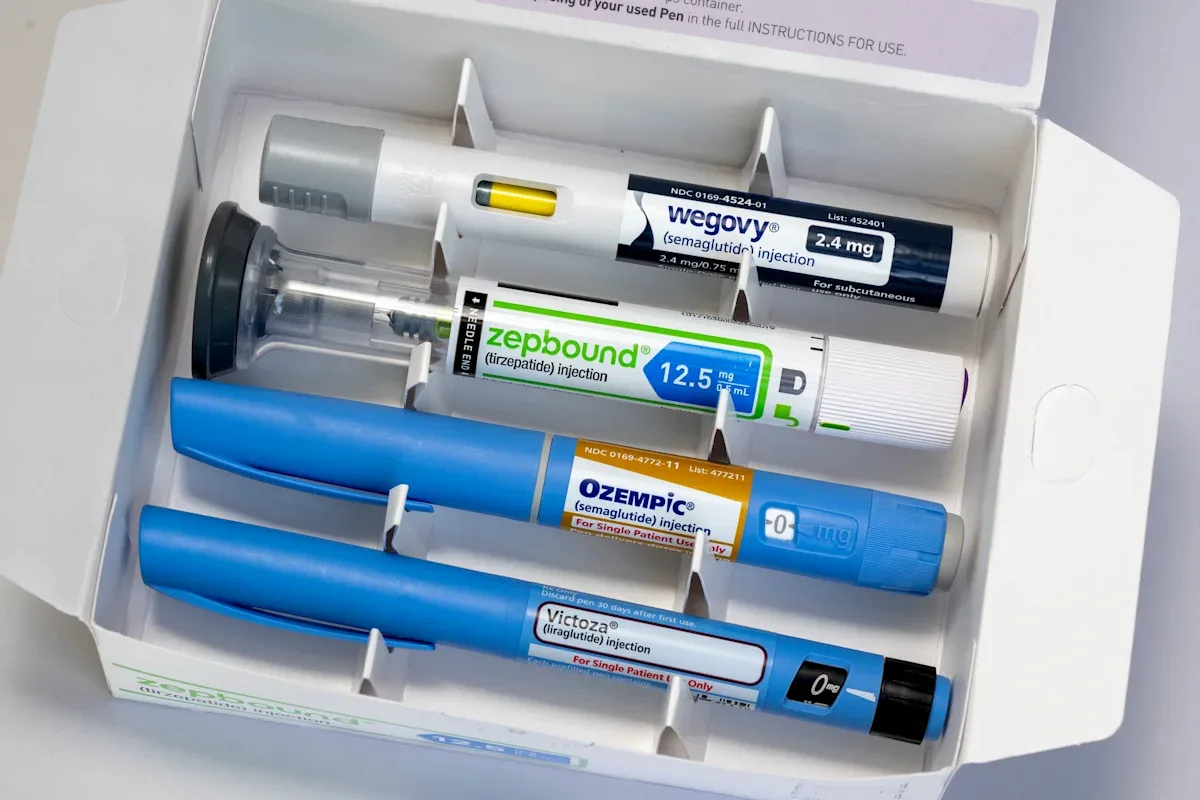
The landscape of weight management and diabetes treatment has been significantly reshaped by the advent of GLP-1 receptor agonists. Medications like semaglutide (known by brand names such as Ozempic and Wegovy) and tirzepatide (Mounjaro) have demonstrated remarkable efficacy in helping individuals achieve significant weight loss and improve glycemic control. Following the recent introduction of generic semaglutide, there has been a notable surge in demand for vitamin and mineral supplements. This trend is not merely coincidental; it reflects a growing awareness among clinicians and patients about the potential for micronutrient deficiencies when using these powerful medications.

The Rise of GLP-1 Medications and Their Impact on Nutrition

GLP-1 receptor agonists work by mimicking the action of the natural GLP-1 hormone, which helps regulate blood sugar levels and slows down gastric emptying. This latter effect contributes to increased satiety, leading to reduced food intake and subsequent weight loss. While highly effective, this significant reduction in appetite and food consumption can inadvertently impact the body's ability to absorb essential vitamins and minerals from the diet.

The recent introduction of generic semaglutide has democratized access to this class of medication, leading to a broader patient base. Consequently, the observant increase in the sales of nutraceuticals, particularly multivitamin supplements, has been tracked by pharmaceutical data firms. For instance, Pharmarack reported an 11.6% increase in vitamin supplement sales in April compared to March, with the overall vitamin-mineral-nutrition market seeing a 10% rise during the same period. This growth is directly attributed to the expanding use of generic semaglutide and other GLP-1 medications.

Understanding Potential Micronutrient Deficiencies

The physiological changes induced by GLP-1 medications, primarily reduced appetite and food intake, have a direct bearing on nutrient absorption. As individuals consume less, the intake of essential micronutrients can also decrease, potentially leading to deficiencies over time.

Specific Micronutrients of Concern

Research and clinical observations are highlighting specific micronutrients that may be at risk:

  • Vitamin D: Crucial for bone health, immune function, and mood regulation. Deficiency is frequently observed.
  • Iron: Essential for oxygen transport in the blood. Low intake can lead to anemia.
  • Vitamin B12: Vital for nerve function and the formation of red blood cells. Deficiencies can cause fatigue and neurological issues.
  • Other B Vitamins: Play a role in energy metabolism and overall cellular function.
  • Minerals: While less frequently highlighted, other essential minerals could also be affected by reduced dietary intake.

A significant analysis published in the Clinical Obesity journal, involving over 480,000 middle-aged and older adults taking GLP-1 medications, provided concrete data. The study found that Vitamin D deficiency was the most common issue, affecting 13.6% of participants after 12 months. Anaemia due to nutritional deficiency was noted in 4%, iron deficiency in 3.2%, and vitamin B deficiency in 2.6%.

Clinical Perspectives and Management Strategies

Medical professionals are increasingly recognizing the importance of addressing potential nutrient deficits in patients on GLP-1 medications. The strategy involves a proactive approach, combining dietary guidance, lifestyle modifications, and targeted supplementation.

The Role of Healthcare Providers

Dr. Tushar Bandgar, Head of the Endocrinology Department at KEM Hospital, emphasizes that muscle loss is a known drawback associated with rapid weight loss, which is why patients are often advised to combine GLP-1 medications with exercise and protein supplements. He further explains that the role of vitamin supplements is becoming more prominent as daily diets often prove insufficient to meet the body's needs.

Precision tracking for your journey

Join thousands using Shotlee to accurately track GLP-1 medications and side effects.

📱 Get the Shotlee App

Track your GLP-1 medications, peptides, and health metrics on the go with our mobile app!

Download on theApp Store
Get it onGoogle Play

Dr. Shashank Joshi, an endocrinologist, notes that in the Indian context, comprehensive data on the extent of micronutrient loss due to GLP-1 medications is still evolving. His approach is to meticulously screen patients for existing deficiencies before prescribing supplements. He advocates for a holistic strategy that includes adequate fiber intake, proper hydration, and addressing protein deficits through diet and exercise. The involvement of a qualified nutritionist alongside a physician is considered crucial for developing personalized management plans.

Personalized Supplementation

The decision to supplement should ideally be guided by individual needs and confirmed through diagnostic testing. A patient in Grant Road, who started on a GLP-1 medication, proactively underwent blood tests that revealed deficiencies in Vitamin D, B12, and iron. These were subsequently addressed with targeted supplements.

This highlights the importance of personalized care. Relying on generic advice for supplementation without understanding one's specific nutrient status can lead to over-supplementation or an incorrect focus. For individuals using GLP-1 medications, regular health check-ups and discussions with their healthcare provider are paramount.

Navigating Supplementation with GLP-1 Therapy

For individuals embarking on or continuing GLP-1 therapy, integrating nutritional support is a key aspect of a successful and healthy treatment journey. This involves understanding the potential risks and working collaboratively with healthcare professionals.

Key Considerations for Patients:

  • Consult Your Doctor: Always discuss any planned supplement use with your prescribing physician or a registered dietitian.
  • Blood Tests are Crucial: Do not self-diagnose deficiencies. Blood tests can accurately identify specific nutrient shortfalls.
  • Focus on Whole Foods: While supplements are important, they should complement, not replace, a balanced and nutrient-dense diet as much as possible.
  • Monitor Symptoms: Be aware of potential symptoms of nutrient deficiencies, such as fatigue, weakness, or changes in mood, and report them to your doctor.
  • Consider Tracking: Utilizing tools to track your food intake, supplement regimen, and any reported symptoms can provide valuable data for your healthcare team. Shotlee, for example, can help patients meticulously record their medication doses, any side effects, and even nutritional intake, aiding in personalized treatment adjustments.

The Evolving Landscape of Peptide Therapy and Nutritional Support

The field of peptide therapy, which includes GLP-1 agonists, is rapidly advancing. As these treatments become more mainstream for weight loss and metabolic health, the understanding of their long-term nutritional implications will continue to deepen. The synergy between effective pharmacotherapy and robust nutritional support is essential for optimizing patient outcomes.

The current trend of increased supplement demand is a testament to the medical community's adaptation to the nuances of these advanced therapies. Future research will likely focus on refining guidelines for screening and supplementation, ensuring that patients not only achieve their health goals but also maintain optimal nutritional status throughout their treatment journey.

Common Micronutrient Deficiencies in GLP-1 Users (Based on Clinical Obesity Analysis)
Nutrient Percentage Affected After 12 Months
Vitamin D Deficiency 13.6%
Anaemia (Nutritional Deficiency) 4.0%
Iron Deficiency 3.2%
Vitamin B Deficiency 2.6%

Practical Takeaways

For individuals on GLP-1 medications:

  • Proactive Consultation: Discuss potential nutrient needs with your doctor early in your treatment.
  • Diagnostic Testing: Undergo blood tests to identify specific deficiencies before starting supplements.
  • Balanced Diet: Prioritize nutrient-rich foods as much as your appetite allows.
  • Professional Guidance: Consider involving a nutritionist for tailored dietary advice.
  • Symptom Awareness: Report any new or unusual symptoms to your healthcare provider promptly.

The integration of GLP-1 therapies into mainstream healthcare marks a significant step forward. By understanding and proactively managing potential nutritional impacts, patients can harness the full benefits of these medications while safeguarding their overall health and well-being.

?Frequently Asked Questions

Why are vitamin and mineral supplements becoming more important for people on GLP-1 medications?

GLP-1 medications like semaglutide and tirzepatide can significantly reduce appetite and slow gastric emptying. This leads to lower food intake, which in turn can reduce the absorption of essential vitamins and minerals from the diet, potentially causing deficiencies over time.

What are the most common micronutrient deficiencies seen with GLP-1 therapy?

Studies and clinical observations suggest that Vitamin D deficiency is the most common, followed by deficiencies in iron and various B vitamins (including B12). Anaemia due to nutritional deficiency is also a concern.

Should I start taking supplements as soon as I begin a GLP-1 medication?

It's crucial to consult with your doctor before starting any supplements. They can order blood tests to determine if you have existing deficiencies or are at high risk. Supplementation should be personalized based on your individual health status and test results.

Can I rely solely on supplements for my nutritional needs while on GLP-1 medication?

No, supplements are intended to complement, not replace, a balanced diet. While your food intake may be reduced, it's important to focus on nutrient-dense foods as much as possible. Supplements help fill the gaps identified through testing and medical advice.

How can tracking my health data help with GLP-1 therapy and nutritional support?

Tracking medication doses, any side effects experienced, food intake, and reported symptoms can provide valuable insights for your healthcare team. Tools like Shotlee can help you meticulously record this information, enabling more personalized treatment adjustments and ensuring your nutritional needs are met alongside your weight loss or diabetes management goals.

Source Information

Originally published by The Times of India.Read the original article →

Read next

Keep exploring

More on Ozempic

Articles covering Ozempic dosing, side effects, and clinical updates.

Beyond the Scale: GLP-1 Users & the Exercise Paradox
Health & Wellness

Beyond the Scale: GLP-1 Users & the Exercise Paradox

While GLP-1 medications have revolutionized weight loss, a recent study indicates a concerning trend: users may be reducing their physical activity. This article explores the findings and emphasizes the continued importance of exercise.

7 min read
Ozempic, Wegovy & Mounjaro: Navigating Dizziness and Fainting Risks
Health & Wellness

Ozempic, Wegovy & Mounjaro: Navigating Dizziness and Fainting Risks

Recent research highlights a potential safety concern with GLP-1 medications, linking them to an increased risk of dizziness and fainting, particularly in certain patient groups. Discover what this means for your health.

6 min read
GLP-1 Revolution in India: Affordability Meets Accessibility in Obesity Fight
Health Technology & Access

GLP-1 Revolution in India: Affordability Meets Accessibility in Obesity Fight

The advent of affordable, locally produced GLP-1 agonists in India marks a significant shift in managing the nation's escalating obesity crisis. For millions like Manoj, these once exclusive medications are now within reach, provided they adhere to strict medical guidance and lifestyle adjustments.

6 min read

Same topic: Diabetes

All Diabetes articles →
Beyond Weight Loss: Do GLP-1 Drugs Impact Mental Health?
Health & Wellness

Beyond Weight Loss: Do GLP-1 Drugs Impact Mental Health?

New research is exploring the surprising potential of GLP-1 receptor agonists, known for their role in diabetes and weight management, to also influence mental well-being. This article delves into the latest findings and what they mean for patients.

7 min read
Beyond BMI: Why Mounjaro Eligibility is More Complex Than You Think
Health & Wellness

Beyond BMI: Why Mounjaro Eligibility is More Complex Than You Think

Many assume BMI is the sole determinant for Mounjaro prescriptions, but the reality is far more nuanced. This article explores the comprehensive health criteria healthcare providers use to ensure safe and effective treatment.

6 min read
Beyond the Scale: Are GLP-1 Drugs Depleting Vital Nutrients?
Health & Wellness

Beyond the Scale: Are GLP-1 Drugs Depleting Vital Nutrients?

While GLP-1 agonists are revolutionizing weight management, emerging research suggests a potential downside: nutrient deficiencies. This article delves into what the latest studies reveal about these vital nutrient gaps and how to address them.

6 min read

More in Health & Wellness

Ozempic, Wegovy & Beyond: How GLP-1 Drugs Are Changing What We Eat
Health & Wellness

Ozempic, Wegovy & Beyond: How GLP-1 Drugs Are Changing What We Eat

The rise of GLP-1 medications is profoundly altering consumer spending habits and food preferences, forcing the grocery industry to adapt. Discover the science behind these changes and how businesses are responding.

7 min read
Beyond Ozempic: The Future of Weight Loss & Metabolic Health Innovation
Health & Wellness

Beyond Ozempic: The Future of Weight Loss & Metabolic Health Innovation

The GLP-1 revolution is just the beginning. This article delves into the cutting-edge advancements poised to reshape the future of weight loss and metabolic health, offering insights for patients and observers alike.

7 min read
Beyond Weight Loss: The Next Wave of GLP-1 Drugs
Health & Wellness

Beyond Weight Loss: The Next Wave of GLP-1 Drugs

The revolutionary GLP-1 medications have transformed weight management, but the journey of innovation continues. Discover how upcoming drugs aim to enhance patient experience and outcomes.

7 min read
Share this article
  1. Home
  2. Blog
  3. GLP-1 Medications and Supplement Needs: What You Should Know
Dr. Adrian Vale, MD — Internal Medicine · Board-Certified Obesity Medicine
Medically reviewed

Dr. Adrian Vale, MD

Internal Medicine · Board-Certified Obesity Medicine

Dr. Adrian Vale is a board-certified internal medicine physician with a clinical focus on obesity medicine and metabolic health. He reviews Shotlee guides and articles on GLP-1 medications, peptide therapy, and weight-management protocols for clinical accuracy.

View all articles reviewed by Dr. Adrian Vale, MD
Shotlee LogoShotlee

Your comprehensive health tracking companion. Track, analyze, and optimize your journey with advanced metrics and community support.

Product

  • Medication Trackers
  • Health Guides
  • Calculators
  • Compare Medications
  • Pricing

Resources

  • Health Blog
  • Support Center

Legal

  • Privacy Policy
  • Terms of Service
  • Community Guidelines
  • Refund Policy

© 2026 Shotlee. All rights reserved.

Made with for the community♥ for the community