
Ozempic vs Saxenda
Which Is Right for You? Complete Comparison (2026)
Ozempic vs Saxenda comparison — semaglutide (weekly, 15% weight loss) vs liraglutide (daily, 8% weight loss), dosing differences.
Ozempic vs Saxenda: At a Glance
- ✓Targets GLP-1 receptors only — single incretin agonist
- ✓Suppresses appetite via hypothalamic action
- ✓Slows gastric emptying — prolongs satiety
- ✓~15% mean weight loss at 68 weeks (STEP-1, 2.4 mg)
- ✓Half-life ~7 days — once-weekly injection
- ✓First-generation daily GLP-1 receptor agonist
- ✓FDA-approved for T2D (Victoza 1.8 mg) and obesity (Saxenda 3.0 mg)
- ✓~8% mean weight loss at 56 weeks (SCALE, 3.0 mg)
- ✓Positive cardiovascular outcome data (LEADER trial)
- ✓Requires daily injection (vs weekly for semaglutide)
Detailed Comparison
| Feature | Ozempic | Saxenda |
|---|---|---|
| Mechanism | GLP-1 receptor agonist | GLP-1 receptor agonistBest |
| Dosing | 0.25-2.4 mg SC weekly (weight loss); 3-14 mg oral daily | 0.6-3.0 mg SC daily |
| Administration | Subcutaneous injection weekly or oral daily | Subcutaneous injection daily |
| Half-life | ~7 days | ~13 hours — requires daily dosing |
| FDA Status | FDA-approved: Ozempic (T2D), Wegovy (obesity), Rybelsus (oral, T2D) | FDA-approved: Victoza (T2D), Saxenda (obesity) |
| Key Trial | Wilding JPH et al. NEJM 2021 (STEP-1) — 14.9% weight loss | Pi-Sunyer X et al. NEJM 2015 (SCALE) — 8% weight loss |
| Side Effects | Nausea (44%), vomiting, diarrhea, constipation | Nausea, vomiting, diarrhea — similar to semaglutide |
Which Should You Choose?
Semaglutide (glp-1 receptor agonist) and Liraglutide (glp-1 receptor agonist) serve different clinical roles despite both being in the GLP-1 agonist space. Semaglutide long-acting glp-1 receptor agonist that suppresses appetite, slows gastric emptying, and enhances glucose-dependent insulin secretion. Liraglutide first-generation long-acting glp-1 receptor agonist with daily dosing.
Whichever you choose, track your protocol in Shotlee to build clean data for dose optimization and outcomes comparison.
Making an Informed Choice Between Ozempic and Saxenda
Choosing between Ozempic and Saxenda depends on multiple individual factors including your specific health goals, tolerance profile, insurance coverage, and prescriber recommendation. While clinical trial data provides population-level efficacy and safety comparisons, your personal response may differ based on genetics, baseline health, concurrent conditions, and lifestyle factors. Use this comparison as a starting framework and discuss the specifics with your healthcare provider.
Head-to-head clinical trial data between Ozempic and Saxenda is the gold standard for comparison, but such direct comparisons are not always available for every pair of compounds. Where head-to-head data is lacking, cross-trial comparisons provide useful but imperfect approximations — differences in patient populations, trial design, and endpoint definitions mean that numbers from separate trials are not directly interchangeable. Keep this context in mind when evaluating the comparison data presented here.
Tracking your personal response data in Shotlee is particularly valuable when switching between medications or considering a change. By documenting your outcomes on your current protocol — including efficacy metrics, side effect profile, adherence rate, and quality of life measures — you create an objective baseline for comparison if you transition to the alternative compound. This data transforms a subjective switching decision into an evidence-based protocol optimization.
Ozempic vs Saxenda: Frequently Asked Questions
Semaglutide is a glp-1 receptor agonist while Liraglutide is a glp-1 receptor agonist. They differ in mechanism, dosing, and clinical evidence. Your choice should depend on your specific goals and medical history.
Switching should be done under medical supervision. Your prescriber can advise on transition protocols. Track both in Shotlee for comparison data.
Semaglutide works as a glp-1 receptor agonist (0.25-2.4 mg SC weekly (weight loss); 3-14 mg oral daily), while Liraglutide is a glp-1 receptor agonist (0.6-3.0 mg SC daily). They have different half-lives (~7 days vs ~13 hours — requires daily dosing), side effect profiles, and levels of clinical evidence.
Yes. Shotlee supports tracking any medication or peptide. You can compare your results across different protocols.
Neither is universally better — the right choice depends on your individual health profile, treatment goals, side effect tolerance, insurance coverage, and prescriber recommendation. Clinical trial data shows efficacy differences in specific populations, but personal response varies. Track your experience with either medication in Shotlee to generate objective comparison data with your healthcare provider.
Switching between these medications should be done under medical supervision. Your prescriber will consider factors including your current response, reason for switching, dose equivalence, and transition timing. Use Shotlee to document your outcomes on the current medication so you have a clear baseline for comparison after switching.
Track Ozempic or Saxenda in Shotlee
Free dose tracking, side effect logging, and outcome comparison for any medication protocol.
📚References & sources
Latest on Ozempic
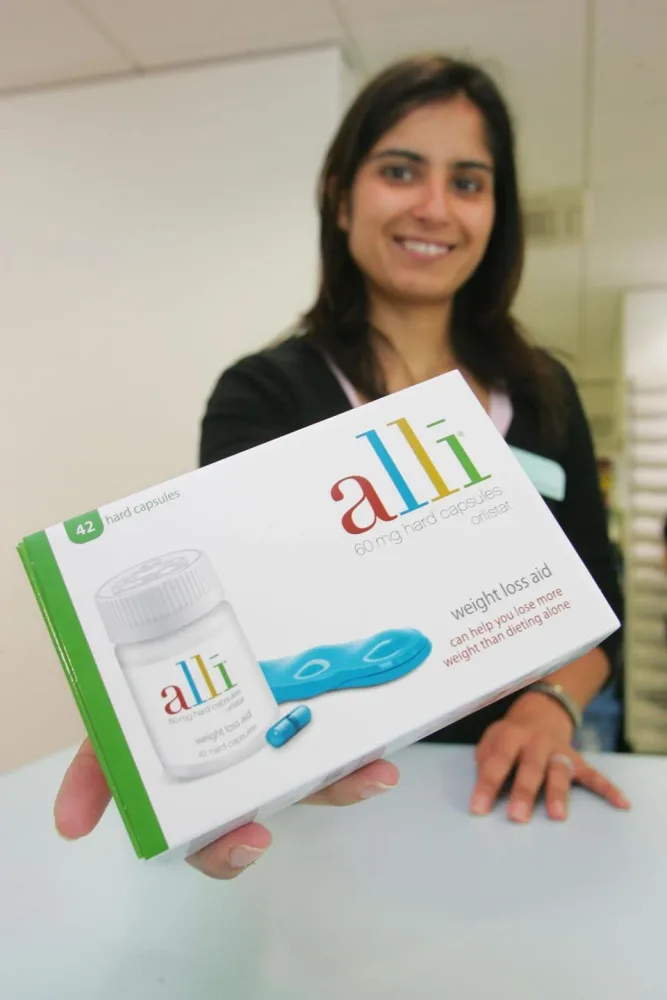
Alli Weight Loss Pill: FDA Flags Serious Kidney Risks
The Food and Drug Administration (FDA) has issued a new warning regarding potential serious kidney complications associated with Alli, the sole over-the-counter weight loss medication available in the United States. The drug's label has been updated to reflect these risks, urging caution for consumers.
8 min read
Beyond Weight Loss: How GLP-1s Impact Your Blood Pressure
GLP-1 receptor agonists, known for their role in diabetes and weight management, are increasingly recognized for their broader health benefits, including effects on blood pressure. This article delves into how these medications work, their impact on cardiovascular health, and whether they are safe for individuals with hypertension.
8 min read
Wegovy Pill Arrives in the UK: A New Era for Weight Management?
The UK has officially approved a pill version of the popular Wegovy weight-loss drug, marking a significant advancement in accessible obesity treatment. This development offers a convenient alternative to weekly injections for many.
6 min read