
Shotlee LogoShotlee
Blog
Download on theApp Store
Get it onGoogle Play
Skip to main content
When Weight-Loss Drugs Like Zepbound Don't Work - Featured image
GLP-1 Medications

When Weight-Loss Drugs Like Zepbound Don't Work

Dr. Adrian Vale, MD
Reviewed by Dr. Adrian Vale, MDInternal Medicine · Board-Certified Obesity Medicine
·March 17, 2026·5 min read

On this page

  • The Real Story of a GLP-1 Non-Responder
  • Understanding GLP-1 Drugs: How They Work and Why They Fail Some
  • Predicting Non-Response: From Trials to Personalized Testing
  • What to Do If Weight-Loss Drugs Aren't Working for You
  • The Future of Weight-Loss Treatments Beyond GLP-1s
  • Key Takeaways: What This Means for Patients
  • Conclusion
  • Genetics and Individual Response
  • Hormones and Biological Factors

Track Smart

Calculate active GLP-1 levels automatically with Shotlee.

Download →

Jessica Layeux spent 15 months on Zepbound with minimal weight loss, joining 1 in 10 clinical trial non-responders who lose less than 5% body weight. Scientists are investigating genetics, hormones, and other factors behind why these popular GLP-1 drugs don't work for everyone. This guide explains the science and next steps for patients.

Share

On this page

  • The Real Story of a GLP-1 Non-Responder
  • Understanding GLP-1 Drugs: How They Work and Why They Fail Some
  • Predicting Non-Response: From Trials to Personalized Testing
  • What to Do If Weight-Loss Drugs Aren't Working for You
  • The Future of Weight-Loss Treatments Beyond GLP-1s
  • Key Takeaways: What This Means for Patients
  • Conclusion
  • Genetics and Individual Response
  • Hormones and Biological Factors

When Weight-Loss Drugs Like Zepbound Don't Work

GLP-1 drugs like Zepbound and Wegovy have transformed weight management for millions, delivering average weight loss of 15 to 21 percent in clinical trials. Yet, for about one in 10 people—known as non-responders—these medications result in less than 5 percent body weight loss. When weight-loss drugs don't work, patients like Jessica Layeux face frustration after months of effort and expense.

The Real Story of a GLP-1 Non-Responder

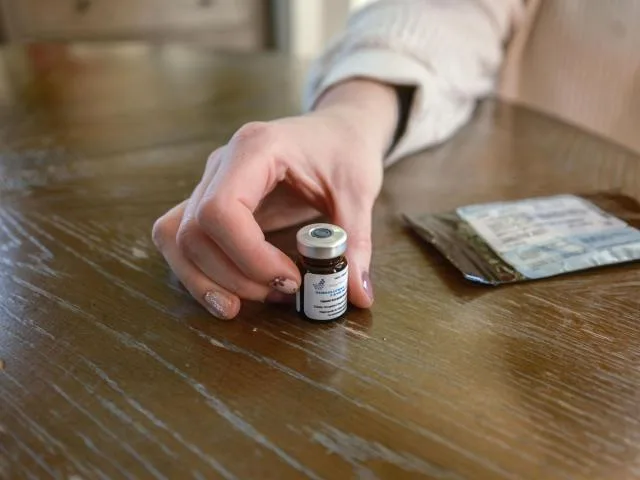
Jessica Layeux, a 42-year-old cybersecurity expert from Monticello, Minn., started Zepbound last year hoping for significant results. Unlike many, she experienced no common side effects and noticed little change in hunger or cravings. Optimistic at first, she increased her dose but saw almost no weight loss over 15 months—only a pound or two.

Ms. Layeux began self-doubting, obsessing over injection sites, storage temperatures, diet, and exercise. At doctor visits, she eagerly shared her healthy habits to avoid blame. "No matter what I do, these 'miracle drugs' don't work," she said. "It felt extremely defeating."

Her experience highlights an overlooked reality: while GLP-1 agonists like tirzepatide (Zepbound) and semaglutide (found in Wegovy and Ozempic) help many shed significant weight, non-responders endure emotional and financial strain.

Understanding GLP-1 Drugs: How They Work and Why They Fail Some

GLP-1 medications mimic the glucagon-like peptide-1 hormone, which regulates appetite, slows gastric emptying, and promotes insulin release to control blood sugar. Semaglutide and tirzepatide primarily dial down appetite and silence "food noise" by targeting the brain's reward centers.

However, obesity stems from diverse causes beyond appetite. Clinical background shows these drugs excel for those with hyperphagia but less so for others. Non-responders may have obesity driven by metabolic, genetic, or inflammatory factors unrelated to food intake.

Genetics and Individual Response

Genetics plays a key role, influencing hunger, fullness, metabolism, and energy expenditure, said Marie Spreckley, a researcher at the University of Cambridge. Variations in genes related to appetite regulation, satiation, and metabolism can predict response.

Dr. Amy Sheer, an obesity medicine doctor at University of Florida Health, notes that people whose obesity isn't tied to overeating see diminished effects. Similarly, Megan Capozzi, a research assistant professor at the University of Washington Medicine studying diabetes and obesity, points to differences in eating pleasure affecting brain reward pathways.

Hormones and Biological Factors

GLP-1 drugs target only two hormones mainly involved in appetite and blood sugar, said Dr. Beverly Tchang, an obesity medicine doctor at Weill Cornell Medicine who consults for Novo Nordisk, maker of Wegovy. "When we think about the whole alphabet soup of hormones that control our weight, it's almost embarrassing to think that we can fix obesity by just addressing two."

Estrogen interacts with GLP-1 pathways, potentially heightening sensitivity—explaining why men may be more likely non-responders than women, and why hormone replacement therapy aids postmenopausal women, per Dr. Diana Thiara at University of California, San Francisco.

Precision tracking for your journey

Join thousands using Shotlee to accurately track GLP-1 medications and side effects.

📱 Get the Shotlee App

Track your GLP-1 medications, peptides, and health metrics on the go with our mobile app!

Download on theApp Store
Get it onGoogle Play

Timing and comorbidities matter too. Dr. Zoobia Chaudhry, director of the obesity medicine fellowship at Johns Hopkins Medicine, says longer obesity duration reduces efficacy. Type 2 diabetes patients struggle more, as do those with inflammatory conditions.

Predicting Non-Response: From Trials to Personalized Testing

Dr. Sheer waits four to six months before suggesting alternatives like bariatric surgery or medication switches. Recent trials analyzed genes for appetite, satiation, and metabolism, finding distinct profiles between GLP-1 responders and non-responders. Non-responders lost significantly on phentermine-topiramate, which acts differently on appetite-suppressing brain pathways.

Dr. Andres Acosta, obesity medicine physician at Mayo Clinic and senior author, advocates using patient traits to select first-line drugs. He co-founded Phenomix Sciences, offering a genetic test to guide choices. Though not proven in independent trials, some doctors use it post-GLP-1 failure.

Ms. Layeux's test revealed higher calorie needs for fullness and shorter satiety. Adding phentermine to Zepbound led to 20 pounds lost in a month.

What to Do If Weight-Loss Drugs Aren't Working for You

For patients, patience is key—give GLP-1s 4-6 months at optimal doses. Track progress meticulously; apps like Shotlee can log symptoms, side effects, injections, diet, and weight to share with providers.

Discuss genetics testing, dose adjustments, or combos like phentermine. Alternatives include other medications or surgery. Common side effects (nausea, GI issues) may resolve, but persistent non-response warrants reevaluation.

Compare options: Phentermine-topiramate suppresses appetite differently, suiting some non-responders. Always consult providers for personalized plans, weighing costs (thousands monthly for GLP-1s) against benefits.

The Future of Weight-Loss Treatments Beyond GLP-1s

New drugs targeting additional hormones are in development. Dr. Tchang reassures non-responders: "That doesn't mean we're not going to have it in six months, one year or two years."

Research into predictors promises tailored therapy, moving from trial-and-error to precision medicine.

Key Takeaways: What This Means for Patients

  • 1 in 10 GLP-1 users are non-responders, losing <5% weight vs. 15-21% average.
  • Genetics, hormones (e.g., estrogen), obesity duration, and diabetes influence response.
  • Wait 4-6 months; consider genetic tests like Phenomix or switches to phentermine-topiramate.
  • Track everything with your doctor—future multi-hormone drugs offer hope.

Conclusion

While GLP-1 drugs like Zepbound succeed for many, non-responders like Jessica Layeux underscore the need for individualized approaches. By understanding genetics, hormones, and predictors, patients can navigate setbacks toward effective solutions. Consult your obesity specialist to explore options and stay informed on emerging therapies.

?Frequently Asked Questions

Why don't GLP-1 drugs like Zepbound work for everyone?

About 1 in 10 people are non-responders, losing less than 5% body weight due to genetics influencing hunger, fullness, and metabolism, hormonal differences like estrogen, longer obesity duration, or conditions like Type 2 diabetes.

What role does genetics play in GLP-1 response?

Genes affect appetite regulation, satiation, metabolism, and energy burn. Trials show distinct profiles between responders and non-responders, with tests like Phenomix Sciences guiding alternatives like phentermine-topiramate.

How long to wait before switching from Zepbound or semaglutide?

Doctors like Dr. Amy Sheer recommend 4-6 months at optimal doses before considering switches, surgery, or genetic testing to identify better options.

What alternatives exist for GLP-1 non-responders?

Phentermine-topiramate works for some via different brain pathways. Genetic tests help match drugs, and new multi-hormone therapies are in development.

Source Information

Originally published by The Indian Express.Read the original article →

Read next

Keep exploring

More on Zepbound

Articles covering Zepbound dosing, side effects, and clinical updates.

Beyond the Scale: GLP-1 Users & the Exercise Paradox
Health & Wellness

Beyond the Scale: GLP-1 Users & the Exercise Paradox

While GLP-1 medications have revolutionized weight loss, a recent study indicates a concerning trend: users may be reducing their physical activity. This article explores the findings and emphasizes the continued importance of exercise.

7 min read
Ozempic, Wegovy & Mounjaro: Navigating Dizziness and Fainting Risks
Health & Wellness

Ozempic, Wegovy & Mounjaro: Navigating Dizziness and Fainting Risks

Recent research highlights a potential safety concern with GLP-1 medications, linking them to an increased risk of dizziness and fainting, particularly in certain patient groups. Discover what this means for your health.

6 min read
GLP-1s & Telehealth: Navigating Risks and Ensuring Safety
Health & Wellness

GLP-1s & Telehealth: Navigating Risks and Ensuring Safety

The booming popularity of GLP-1 medications for weight loss has coincided with a dramatic rise in telehealth services. This article delves into the benefits and significant risks of obtaining these powerful drugs online, highlighting critical safety concerns and offering guidance for patients.

6 min read

Same topic: Weight Loss Drugs

All Weight Loss Drugs articles →
Eli Lilly Eyes India Rollout for Oral Obesity Drug Orforglipron
GLP-1 Medications

Eli Lilly Eyes India Rollout for Oral Obesity Drug Orforglipron

US drugmaker Eli Lilly is set to bring orforglipron, a game-changing oral weight-loss pill, to India following successful global trials that included Indian patients. With obesity rates surging, this daily GLP-1 therapy promises easier access than injectables like Mounjaro. Explore the trial data, market insights, and what it means for patients.

5 min read
Untold Dangers of GLP-1s: Ozempic, Wegovy & Mounjaro Risks
GLP-1 Medications

Untold Dangers of GLP-1s: Ozempic, Wegovy & Mounjaro Risks

Wegovy, Ozempic, and Mounjaro promise effortless weight loss with minimal risk, but new research uncovers deeper dangers like altered brain chemistry and loss of desire. On The Spectacle Podcast, Scott McKay and Melissa Mackenzie dive into the science, Melissa's personal story, and why lifestyle changes offer a safer path.

5 min read
Entrepreneur Uses AI to Build $1B Telehealth Company on GLP-1 Drugs
Telehealth & GLP-1

Entrepreneur Uses AI to Build $1B Telehealth Company on GLP-1 Drugs

Matthew Gallagher, a 41-year-old LA entrepreneur, turned $20,000 into a nearly $2 billion telehealth empire with AI alone. Medvi sells GLP-1 drugs like Ozempic at $300 versus $1,000 retail, serving 250,000 customers. But rapid growth sparks debates on legality and fake ads.

5 min read

More in GLP-1 Medications

GLP-1 Revolution in India: Affordability Meets Accessibility in Obesity Fight
Health Technology & Access

GLP-1 Revolution in India: Affordability Meets Accessibility in Obesity Fight

The advent of affordable, locally produced GLP-1 agonists in India marks a significant shift in managing the nation's escalating obesity crisis. For millions like Manoj, these once exclusive medications are now within reach, provided they adhere to strict medical guidance and lifestyle adjustments.

6 min read
Cagrilintide + Semaglutide: A Promising Dual Approach for Type 2 Diabetes
Diabetes

Cagrilintide + Semaglutide: A Promising Dual Approach for Type 2 Diabetes

New research presented at the American Diabetes Association meeting highlights the potential of combining cagrilintide, an amylin receptor agonist, with semaglutide for improved glycemic control in adults with type 2 diabetes.

7 min read
Alli Weight Loss Pill: FDA Flags Serious Kidney Risks
Health & Wellness

Alli Weight Loss Pill: FDA Flags Serious Kidney Risks

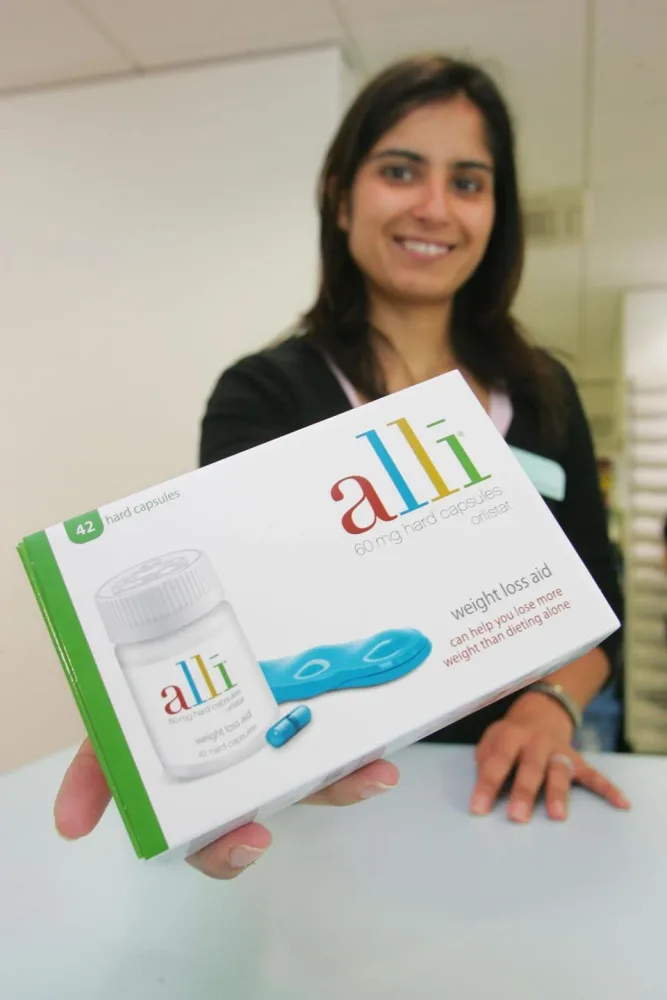
The Food and Drug Administration (FDA) has issued a new warning regarding potential serious kidney complications associated with Alli, the sole over-the-counter weight loss medication available in the United States. The drug's label has been updated to reflect these risks, urging caution for consumers.

8 min read
Share this article
  1. Home
  2. Blog
  3. When Weight-Loss Drugs Like Zepbound Don't Work
Dr. Adrian Vale, MD — Internal Medicine · Board-Certified Obesity Medicine
Medically reviewed

Dr. Adrian Vale, MD

Internal Medicine · Board-Certified Obesity Medicine

Dr. Adrian Vale is a board-certified internal medicine physician with a clinical focus on obesity medicine and metabolic health. He reviews Shotlee guides and articles on GLP-1 medications, peptide therapy, and weight-management protocols for clinical accuracy.

View all articles reviewed by Dr. Adrian Vale, MD
Shotlee LogoShotlee

Your comprehensive health tracking companion. Track, analyze, and optimize your journey with advanced metrics and community support.

Product

  • Medication Trackers
  • Health Guides
  • Calculators
  • Compare Medications
  • Pricing

Resources

  • Health Blog
  • Support Center

Legal

  • Privacy Policy
  • Terms of Service
  • Community Guidelines
  • Refund Policy

© 2026 Shotlee. All rights reserved.

Made with for the community♥ for the community