

Introduction: The Science Behind the Weight Loss Revolution
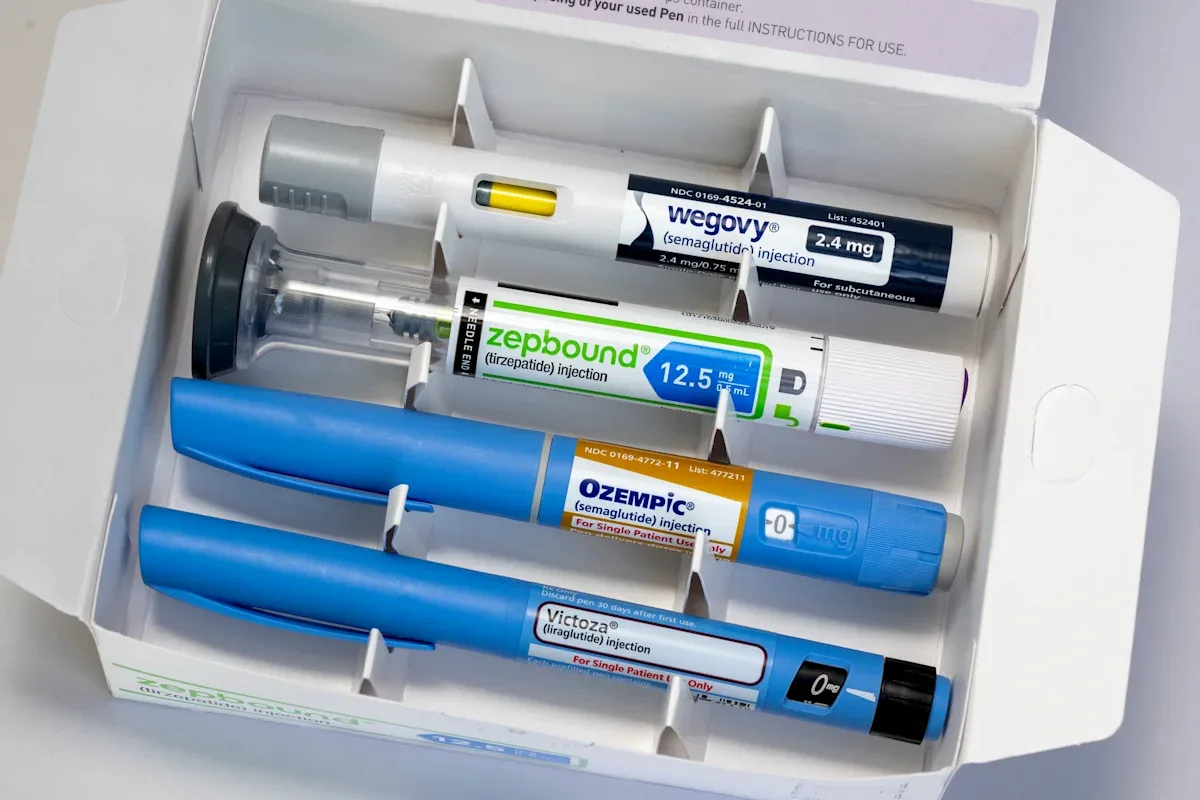
GLP-1 medications like Ozempic or Wegovy have become household names over the past few years, largely due to their remarkable effectiveness for weight loss. However, while many users experience rapid results, the underlying biology often remains a mystery. To truly understand why these drugs work, it is essential to look beyond the headlines and examine what they are actually doing inside your body.
GLP-1 stands for glucagon-like peptide-1. It is a hormone your gut naturally produces after you eat. When food hits your intestines, GLP-1 gets released into your bloodstream and sends signals to several places at once. It tells your pancreas to release insulin, which helps control blood sugar. It slows down how quickly your stomach empties, which keeps you feeling full longer, and it acts on your brain to reduce appetite and cravings.
The challenge with the natural hormone is that it breaks down in your body within minutes. The "I'm satisfied" signal fades quickly, even if you've eaten a full meal. This is where medications like Ozempic come in. These are synthetic versions of the GLP-1 hormone designed to last much longer, giving your body a steady, sustained signal that mimics what would happen if you were producing GLP-1 at higher levels all the time.
Understanding the Natural GLP-1 Hormone
Before diving into the pharmaceutical interventions, it is helpful to understand the baseline. In a healthy individual, GLP-1 is an incretin hormone produced by L-cells in the lining of the small intestine. Its primary role is to regulate glucose metabolism and appetite.
The Gut-Brain Axis
When you consume food, your body initiates a complex cascade. The presence of nutrients in the gut triggers the release of GLP-1. This hormone travels through the bloodstream to the brain, specifically targeting the hypothalamus, which is the region responsible for regulating hunger and energy balance. This communication loop is often referred to as the gut-brain axis.
Under normal physiological conditions, this signal tells your brain that you have eaten enough, reducing the desire to eat further. However, because the natural enzyme DPP-4 breaks down GLP-1 rapidly, this window of satiety is short-lived. This biological limitation is why many people struggle to maintain fullness after a meal without constant eating.
How Synthetic GLP-1 Agonists Work
GLP-1 receptor agonists (often called GLP-1s) are medications designed to overcome the rapid breakdown of the natural hormone. These drugs are structural analogs, meaning they are very similar in shape to the natural hormone but are modified to resist enzymatic degradation.
Why Duration Matters
By extending the half-life of the hormone, these medications ensure that the body receives a continuous signal of satiety and glucose regulation. This stability allows for consistent blood sugar control and sustained appetite suppression. Unlike natural GLP-1, which spikes and crashes with every meal, synthetic versions provide a steady therapeutic level.
When you take a GLP-1 drug, your stomach empties more slowly. This means food stays in your system longer, and you feel satisfied with less. You're not as hungry between meals, and the drive to snack or overeat diminishes. For a lot of people, it's the first time in years they've felt like food isn't constantly on their mind.
Physiological Effects on Blood Sugar and Metabolism
While weight loss is the most visible outcome, GLP-1s were originally developed for type 2 diabetes. The weight loss effect was noticed later, almost as a perk, though it's now one of the main reasons people use them.
These medications help regulate your blood sugar through two primary mechanisms:
- Insulin Secretion: Your pancreas releases insulin when it's needed, particularly after meals, ensuring glucose is taken up by cells.
- Glucagon Suppression: Your liver releases less sugar into the bloodstream, preventing dangerous spikes in blood glucose levels.
This dual action makes them highly effective for managing metabolic health. By improving insulin sensitivity and reducing the glucose load, these drugs significantly lower the risk of diabetes-related complications.
Beyond Appetite: Brain Reward Pathways and Emerging Research
One important area of study involves the brain's reward system. There's also evidence that GLP-1s affect reward pathways in the brain. Early research suggests they may reduce cravings for things beyond food, like alcohol or nicotine.
Scientists are still figuring out exactly how this works, but it's one reason these drugs are being studied for conditions like addiction. The mechanism appears to involve dampening the dopamine response associated with addictive substances or behaviors, potentially making it easier for individuals to break cycles of dependency.
Precision tracking for your journey
Join thousands using Shotlee to accurately track GLP-1 medications and side effects.
📱 Get the Shotlee App
Track your GLP-1 medications, peptides, and health metrics on the go with our mobile app!
Comparing Popular GLP-1 Medications
While many people use the terms interchangeably, there are distinct differences between the medications available today. Understanding these can help in discussions with your healthcare provider.
| Medication | Active Ingredient | Primary Indication | Dosing Frequency |
|---|---|---|---|
| Ozempic | Semaglutide | Type 2 Diabetes | Weekly Injection |
| Wegovy | Semaglutide | Chronic Weight Management | Weekly Injection |
| Mounjaro | Tirzepatide | Type 2 Diabetes | Weekly Injection |
| Zepbound | Tirzepatide | Chronic Weight Management | Weekly Injection |
Managing Expectations and Long-Term Sustainability
One important thing to know is that the GLP-1 medication doesn't permanently "fix" your appetite. When you stop taking it, your natural GLP-1 levels return to what they were before, your appetite comes back, and your stomach empties at its usual pace. For many people, this means the weight comes back too, unless they've made other changes to maintain it.
GLP-1 drugs aren't magic - they're just amplifying a process your body already uses to regulate hunger and blood sugar. They make it easier to eat less and feel satisfied, but they don't do the work for you.
Integrating Health Tracking with Peptide Therapy
To maximize the benefits of peptide therapy, consistent monitoring is vital. When you are taking a GLP-1, your body is undergoing significant metabolic changes. Tools like Shotlee can be invaluable for tracking your progress, symptoms, and doses. By logging your food intake, hydration, and physical activity alongside your medication schedule, you can identify patterns that contribute to success or complications.
Tracking allows you to see how your body responds to different foods while on therapy. For instance, you might notice that high-fat meals cause more digestive discomfort than usual. This data empowers you to make informed dietary adjustments that complement the medication's effects.
Practical Takeaways for Patients
If you are considering or currently using GLP-1 medications, keeping these practical points in mind can help you navigate your treatment journey effectively.
- Commit to Lifestyle Changes: The medication is a tool, not a cure. Sustainable weight management requires nutrition and movement habits.
- Monitor Digestive Health: Slower stomach emptying can lead to constipation or nausea. Adjust fiber and water intake accordingly.
- Track Your Metrics: Use health tracking apps to monitor weight, blood sugar, and energy levels over time.
- Plan for Maintenance: Discuss long-term strategies with your doctor to prevent weight regain if you discontinue therapy.
- Stay Informed: Research is ongoing. Be aware of emerging data regarding cardiovascular benefits and other potential uses.
Conclusion
GLP-1 medications represent a significant advancement in metabolic health and weight management. By mimicking a natural hormone that regulates hunger and blood sugar, they offer a scientifically grounded approach to treating obesity and diabetes. However, they are most effective when viewed as part of a broader health strategy that includes lifestyle modification and diligent health tracking.
As research continues to evolve, we may see even more applications for these powerful drugs. For now, understanding the mechanics of how they work in your body is the first step toward using them safely and effectively.
Frequently Asked Questions
1. Do GLP-1 medications permanently change your metabolism?
No, GLP-1 medications do not permanently alter your metabolism. They work by mimicking a hormone that regulates hunger and insulin while you are taking them. Once you stop the medication, your body's natural hormone levels return to baseline, and appetite regulation returns to its previous state unless lifestyle changes were made to sustain the benefits.
2. Can GLP-1 drugs help with cravings for alcohol or nicotine?
There is emerging evidence suggesting GLP-1s may affect reward pathways in the brain related to addiction. Early research indicates they may reduce cravings for substances like alcohol or nicotine, but scientists are still investigating the exact mechanisms and efficacy for addiction treatment.
3. What is the difference between Ozempic and Wegovy?
Both Ozempic and Wegovy contain the same active ingredient, semaglutide. The primary difference lies in their FDA-approved indications: Ozempic is approved for managing type 2 diabetes, while Wegovy is approved specifically for chronic weight management. Dosage regimens may also differ based on the intended therapeutic goal.
4. Why does my stomach feel fuller for longer on GLP-1 therapy?
GLP-1 agonists slow down gastric emptying, which is the process of food moving from your stomach into your small intestine. This delay means food stays in your stomach longer, prolonging the sensation of fullness and reducing the frequency of hunger signals sent to your brain.
5. How can I track my progress while on peptide therapy?
Effective tracking involves monitoring weight trends, dietary intake, hydration levels, and any side effects like nausea or fatigue. Using a dedicated health tracking platform can help you correlate these factors with your medication schedule, allowing you and your healthcare provider to make informed adjustments to your treatment plan.