

Shotlee LogoShotlee
Blog
Download on theApp Store
Get it onGoogle Play
Skip to main content
Understanding Peptides: Beyond the Hype of GLP-1s and Skincare - Featured image
Medical Trends & Therapeutics

Understanding Peptides: Beyond the Hype of GLP-1s and Skincare

Dr. Adrian Vale, MD
Reviewed by Dr. Adrian Vale, MDInternal Medicine · Board-Certified Obesity Medicine
·May 17, 2026·6 min read

On this page

  • The Peptide Phenomenon: Separating Fact from Viral Hype
  • What Are Peptides? A Biological Primer
  • Peptides in Modern Medicine: Weight Management and Beyond
  • Navigating the Risks: Safety and Sourcing
  • The 'Stacking' Trend and Cycling Protocols
  • Practical Takeaways for the Informed Patient
  • Conclusion: Nuance Over Noise
  • Familiar Peptides You Already Know
  • The Role of GLP-1s in Health Tracking
  • Peptides vs. Hormones: A Midlife Context
  • The Danger of Unregulated Sources
  • Topical vs. Injectable: The Data Gap
  • Potential Risks of Unmonitored Peptide Use
  • Key Considerations for Peptide Therapy Adoption

Track Smart

Calculate active GLP-1 levels automatically with Shotlee.

Download →

Peptides are powerful signaling molecules, but they are not a universal cure-all. This deep dive clarifies the function of GLP-1 agonists, cosmetic peptides, and the critical importance of medical guidance when considering peptide therapies for weight management or anti-aging.

Share

On this page

  • The Peptide Phenomenon: Separating Fact from Viral Hype
  • What Are Peptides? A Biological Primer
  • Peptides in Modern Medicine: Weight Management and Beyond
  • Navigating the Risks: Safety and Sourcing
  • The 'Stacking' Trend and Cycling Protocols
  • Practical Takeaways for the Informed Patient
  • Conclusion: Nuance Over Noise
  • Familiar Peptides You Already Know
  • The Role of GLP-1s in Health Tracking
  • Peptides vs. Hormones: A Midlife Context
  • The Danger of Unregulated Sources
  • Topical vs. Injectable: The Data Gap
  • Potential Risks of Unmonitored Peptide Use
  • Key Considerations for Peptide Therapy Adoption

The Peptide Phenomenon: Separating Fact from Viral Hype

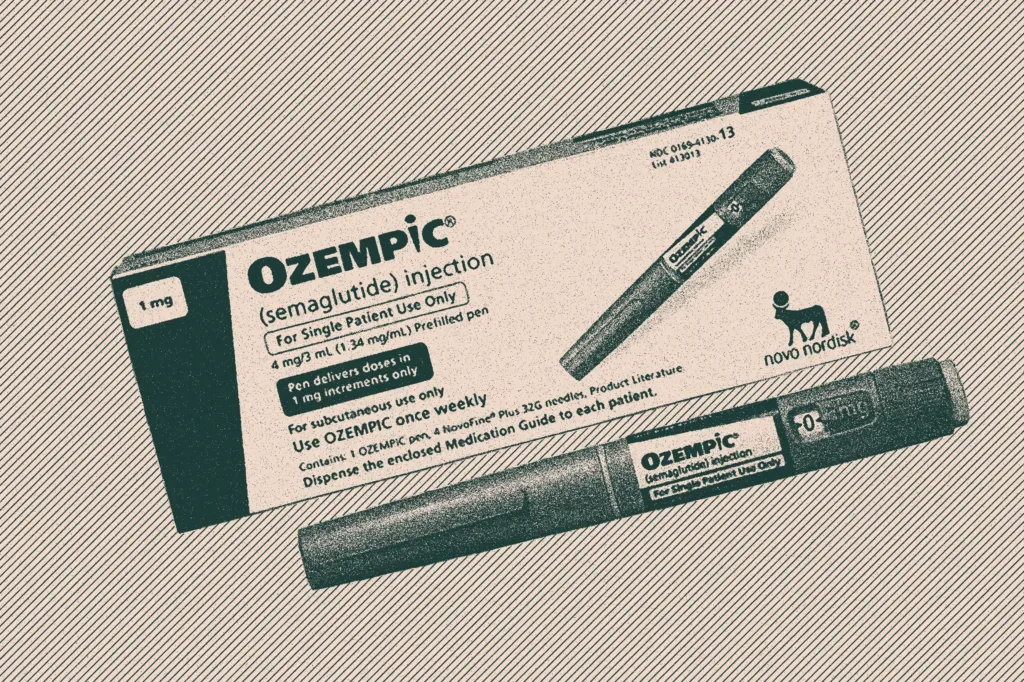
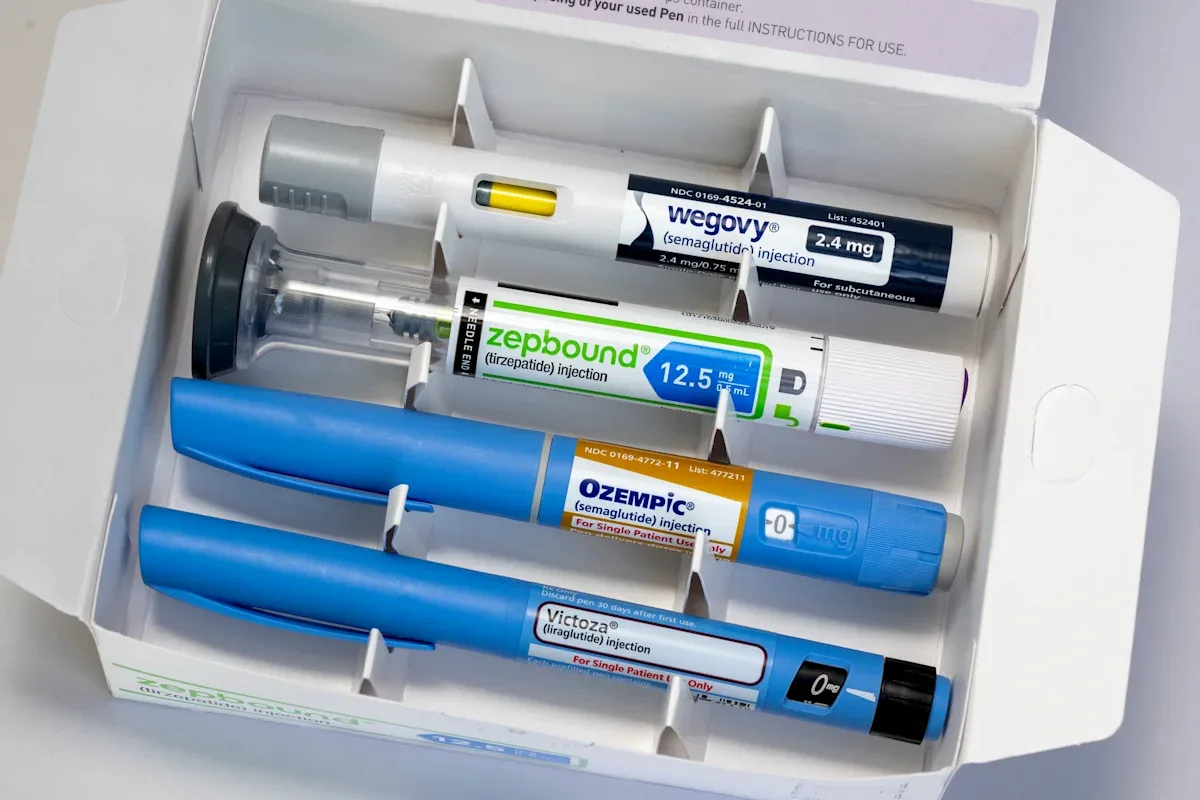
In the current wellness landscape, few molecules generate as much buzz as peptides. Whether you are scrolling through social media feeds promoting glowing skin or reading about breakthrough weight loss medications, the term “peptide” is inescapable. From the well-known GLP-1 receptor agonists like semaglutide (Ozempic, Wegovy) and tirzepatide (Mounjaro) driving significant conversations around obesity treatment, to topical copper peptides promising youthful skin, these compounds are positioned as powerful enhancers of bodily function.

But what exactly are peptides, and do they live up to the hype? For many navigating midlife health challenges, the allure of a targeted solution is strong. However, as with any rapidly trending health intervention, a clear, medically grounded understanding is essential. We delve into the science, the applications, and the crucial safety considerations surrounding peptide therapy, guided by expert clinical insight.

What Are Peptides? A Biological Primer

At their core, peptides are short chains of amino acids—the building blocks of protein. They function as crucial signaling molecules within the body. Think of them as messengers that amplify the work your body is already designed to do, directing specific processes to occur more intensely or efficiently.

Familiar Peptides You Already Know

The concept of peptides isn't new; many essential biological compounds fall into this category:

  • Insulin: Perhaps the most famous peptide, insulin signals cells to absorb glucose from the bloodstream, managing blood sugar and facilitating energy storage.
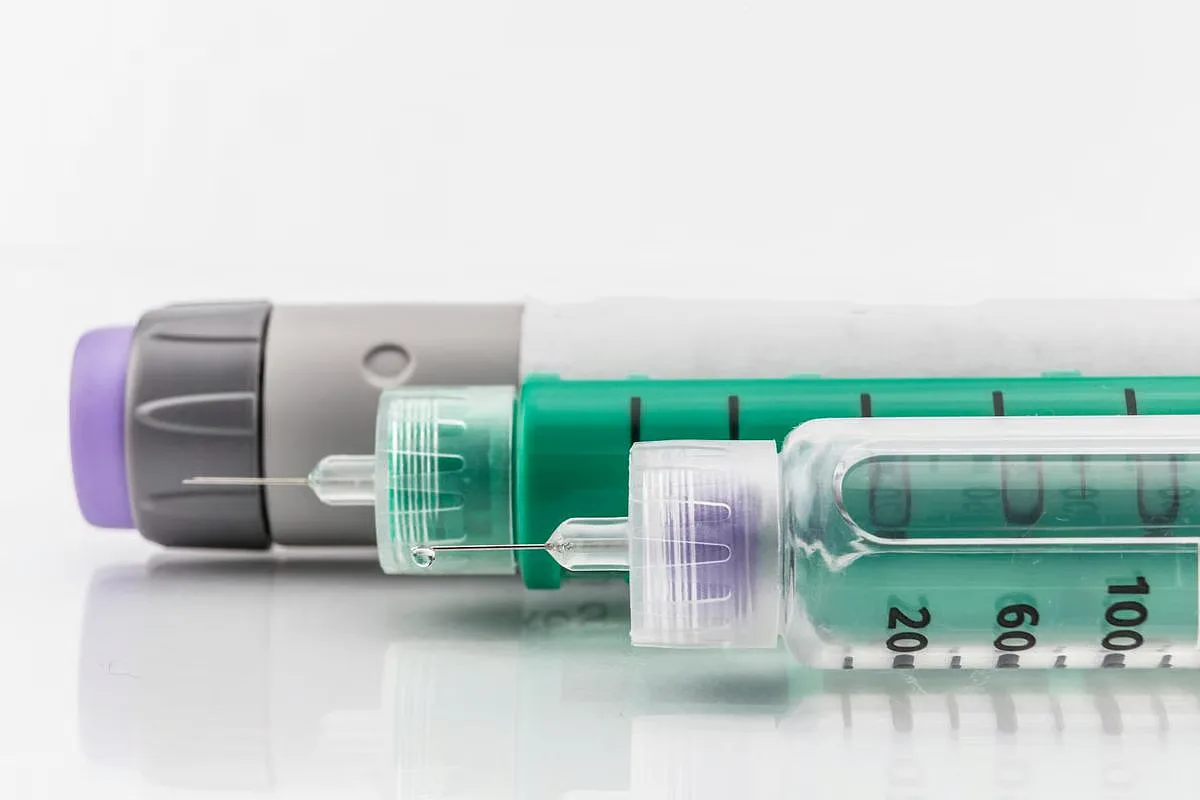
  • GLP-1 Receptor Agonists: Medications like Ozempic and Wegovy contain synthetic versions of the Glucagon-Like Peptide-1 hormone. These peptides enhance natural GLP-1 action, stimulating insulin secretion, slowing gastric emptying, and crucially, signaling satiety (fullness) to the brain, which aids in significant weight loss.
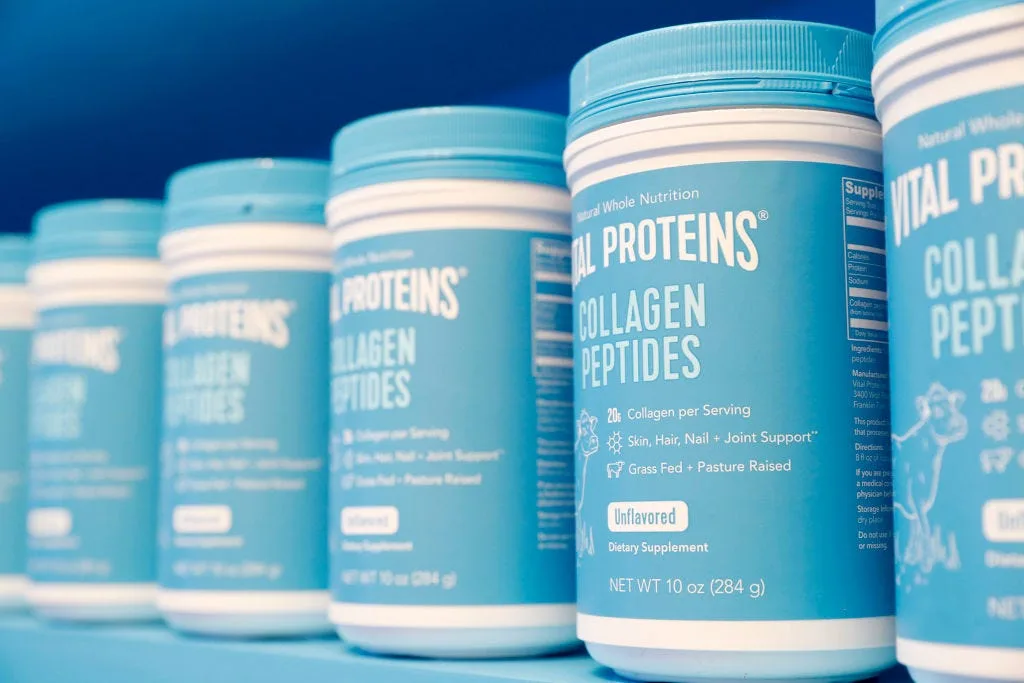
  • GHK-Cu (Copper Peptides): Popular in dermatology, these signal the body to promote collagen production, aid in wound healing, and improve overall skin integrity.

Peptides in Modern Medicine: Weight Management and Beyond

The most significant current application of injectable peptides centers around metabolic health. GLP-1 therapies have revolutionized the treatment landscape for Type 2 diabetes and chronic weight management. These medications work by mimicking the body’s natural hormones, offering powerful appetite suppression and improved glycemic control.

The Role of GLP-1s in Health Tracking

For individuals utilizing GLP-1 medications for weight loss, consistent health tracking is vital. While these medications offer substantial benefits, managing side effects, monitoring glucose levels, and tracking progress are key components of successful treatment. Tools that allow patients to log doses, track dietary changes, and record subjective feelings of fullness or nausea—like platforms utilized by Shotlee—can provide clinicians with the necessary data to optimize therapy.

Peptides vs. Hormones: A Midlife Context

In discussions surrounding perimenopause and menopause, peptides often arise in conjunction with hormone replacement therapy (HRT). Experts note that certain peptides can synergize well with estradiol-based HRT, potentially boosting symptom relief. However, the consensus among experienced practitioners is clear: foundational health issues, such as stabilizing hormone levels, should be addressed before introducing complex peptide stacks.

Navigating the Risks: Safety and Sourcing

While the potential benefits of peptides are clear, the market is saturated with non-vetted sources, creating significant safety hazards. A primary concern raised by clinicians is the origin and quality control of these substances.

The Danger of Unregulated Sources

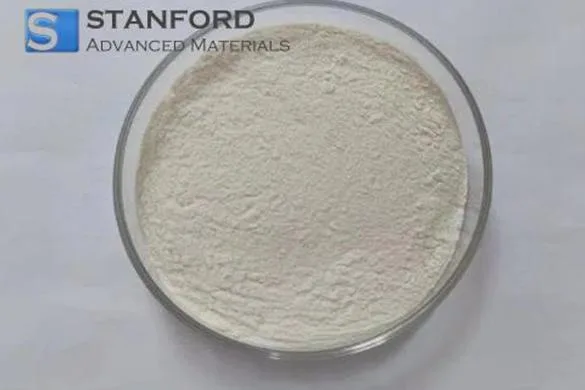
Peptides are available through various routes: topical serums, oral supplements, and injectables. The critical distinction lies between prescription-grade medication and 'research-use-only' compounds obtained online.

Precision tracking for your journey

Join thousands using Shotlee to accurately track GLP-1 medications and side effects.

📱 Get the Shotlee App

Track your GLP-1 medications, peptides, and health metrics on the go with our mobile app!

Download on theApp Store
Get it onGoogle Play
It is super important that nobody gets these peptides from a website that says 'add to cart,' where you can get these delivered to your door without a prescription. These products have not gone through rigorous safety testing processes.

Working with a licensed clinician who can assess your full medical history, determine the appropriate peptide, and ensure the prescription is filled by a regulated, licensed pharmacy is non-negotiable. Unregulated sources pose risks ranging from contamination to incorrect dosing, which can lead to unpredictable and potentially harmful outcomes.

Topical vs. Injectable: The Data Gap

Consumers often assume that if a topical peptide (like GHK-cu for skin) is beneficial, an injectable version must be exponentially better. This is a dangerous assumption. While topical GHK-cu has reasonable clinical data supporting its use for collagen building, injectable forms can alter gene expression, a mechanism for which long-term, randomized control trial data simply does not yet exist. Therefore, many experts caution against using injectable forms of cosmetic peptides until more robust safety profiles are established.

The 'Stacking' Trend and Cycling Protocols

Social media often promotes the idea of 'stacking'—using a combination of multiple injectable peptides simultaneously as part of a longevity or bio-hacking routine. Clinicians often view this as overly aggressive and unnecessary for the average patient.

Potential Risks of Unmonitored Peptide Use

Peptides that influence cellular growth and blood flow, while beneficial in targeted scenarios, carry systemic risks, especially for individuals with underlying conditions. For example, compounds that promote cell division could theoretically accelerate the growth of pre-cancerous cells in susceptible individuals. This underscores why long-term, continuous use without medical oversight is discouraged.

Effective peptide use is often cyclical. Peptides are typically administered for a specific therapeutic reason and then discontinued, allowing the body time to recover or regenerate. This cycling approach minimizes long-term dependency and potential side effects.

Key Considerations for Peptide Therapy Adoption

Factor Topical Peptides (e.g., Copper) Injectable Peptides (e.g., GLP-1s)
Primary Use Skin quality, collagen support Weight management, Type 2 Diabetes
Data Availability Good data for topical efficacy Robust FDA-approved data for specific indications
Sourcing Requirement Over-the-counter or prescription strength Strictly prescription required from licensed pharmacy
Risk Profile Generally low; localized effects Systemic effects; requires ongoing monitoring

Practical Takeaways for the Informed Patient

The conversation around peptides, much like the earlier discourse surrounding HRT, is often polarized. They are neither miracle cures nor inherently dangerous substances. Their utility depends entirely on the specific molecule, the indication, the dosage, and the oversight.

If you are considering any form of peptide therapy, whether for weight loss with semaglutide or for skin health, remember these fundamental steps:

  1. Prioritize Basics: Ensure foundational health pillars—sleep, nutrition, and consistent exercise—are optimized. Peptides amplify existing efforts; they don't replace them.
  2. Consult Vetted Experts: Only work with a licensed clinician knowledgeable about peptide mechanisms and monitoring requirements.
  3. Demand Legitimacy: Ensure all prescriptions are filled via regulated, licensed pharmaceutical channels, never from non-prescription online vendors.

Conclusion: Nuance Over Noise

Peptides represent a dynamic and powerful class of therapeutic tools. From managing complex metabolic conditions with GLP-1s to enhancing cellular repair, their role in future healthcare is undeniable. However, the current environment—fueled by viral marketing and vulnerability during life transitions like midlife—demands a more nuanced approach. As clinicians advocate for fair, honest conversations, patients must seek depth over simplicity. Understanding the specific mechanism, the required monitoring, and the source of your treatment is the only way to harness the genuine potential of peptide therapy safely.


?Frequently Asked Questions

What is the fundamental difference between a peptide and a standard protein?

The primary difference lies in size. Peptides are short chains of amino acids (typically 50 or fewer), acting as specific signaling molecules. Proteins are much longer chains that perform complex structural and functional roles.

Are GLP-1 medications like Ozempic or Mounjaro considered peptide therapy?

Yes, GLP-1 receptor agonists are synthetic versions of the naturally occurring Glucagon-Like Peptide-1 hormone. They function by mimicking this peptide to regulate blood sugar and appetite, making them a form of peptide therapy.

Why is sourcing injectable peptides without a prescription dangerous?

Injectable peptides obtained outside regulated pharmacies lack rigorous testing for purity, sterility, and potency. This exposes the user to risks of contamination, incorrect dosing, and unknown long-term systemic effects, as the compounds have not passed safety trials.

Can topical copper peptides (GHK-cu) replace basic skincare like sunscreen and sleep?

No. While copper peptides can effectively boost collagen production and aid skin repair, they cannot replace foundational health habits like proper sleep, diet, and sun protection. Results will be minimal if basic care is neglected.

What does 'cycling' peptides mean in a therapeutic context?

Cycling refers to using a specific peptide for a defined period to achieve a therapeutic goal (e.g., symptom management or regeneration) and then stopping use. This prevents the body from adapting negatively and allows for recovery, as many peptides are not intended for indefinite, long-term administration.

Source Information

Originally published by The Good Men Project.Read the original article →

Read next

Keep exploring

More on Ozempic

Articles covering Ozempic dosing, side effects, and clinical updates.

GLP-1 Revolution in India: Affordability Meets Accessibility in Obesity Fight
Health Technology & Access

GLP-1 Revolution in India: Affordability Meets Accessibility in Obesity Fight

The advent of affordable, locally produced GLP-1 agonists in India marks a significant shift in managing the nation's escalating obesity crisis. For millions like Manoj, these once exclusive medications are now within reach, provided they adhere to strict medical guidance and lifestyle adjustments.

6 min read
GLP-1s & Telehealth: Navigating Risks and Ensuring Safety
Health & Wellness

GLP-1s & Telehealth: Navigating Risks and Ensuring Safety

The booming popularity of GLP-1 medications for weight loss has coincided with a dramatic rise in telehealth services. This article delves into the benefits and significant risks of obtaining these powerful drugs online, highlighting critical safety concerns and offering guidance for patients.

6 min read
Cagrilintide + Semaglutide: A Promising Dual Approach for Type 2 Diabetes
Diabetes

Cagrilintide + Semaglutide: A Promising Dual Approach for Type 2 Diabetes

New research presented at the American Diabetes Association meeting highlights the potential of combining cagrilintide, an amylin receptor agonist, with semaglutide for improved glycemic control in adults with type 2 diabetes.

7 min read

Same topic: Peptide Science

All Peptide Science articles →
Beyond GLP-1s: 5 Peptides Transforming Health After 50
Wellness & Longevity

Beyond GLP-1s: 5 Peptides Transforming Health After 50

Peptides, the signaling molecules built from amino acids, are emerging as precise tools for targeted wellness, especially as the body's natural production declines after 50. Learn which five peptides can help restore vitality, repair tissue, and combat aging-related inflammation.

6 min read
Copper Peptide Powder: Unlocking Skin Health and Tissue Repair
Health & Wellness

Copper Peptide Powder: Unlocking Skin Health and Tissue Repair

Delve into the fascinating world of copper peptide powder, a powerful ingredient in skincare and regenerative medicine. Learn how these bioactive molecules work to repair tissue, boost collagen, and protect your skin.

7 min read
RFK Jr. Big Fan of Peptides: FDA Ban May Lift Soon
Peptide Therapy

RFK Jr. Big Fan of Peptides: FDA Ban May Lift Soon

Health Secretary RFK Jr. revealed on Joe Rogan's podcast that the FDA may soon act on injectable peptides, which he supports making more accessible. Banned in 2023 for safety risks, these short amino acid chains show promise in anti-aging, muscle building, and more. Here's what peptides are and the debate surrounding them.

5 min read

More in Medical Trends & Therapeutics

Ozempic, Wegovy, Mounjaro: Why Rhode Island Medicaid Must Cover Obesity Meds
Health Policy & Innovation

Ozempic, Wegovy, Mounjaro: Why Rhode Island Medicaid Must Cover Obesity Meds

Rhode Island's strategic health initiatives are commendable, but a recent budget proposal to cut Medicaid coverage for GLP-1 obesity treatments like Ozempic and Wegovy raises serious concerns. This decision, while seemingly a cost-saving measure, risks long-term health consequences and increased healthcare expenditures.

6 min read
Beyond Ozempic: The Future of Weight Loss & Metabolic Health Innovation
Health & Wellness

Beyond Ozempic: The Future of Weight Loss & Metabolic Health Innovation

The GLP-1 revolution is just the beginning. This article delves into the cutting-edge advancements poised to reshape the future of weight loss and metabolic health, offering insights for patients and observers alike.

7 min read
Beyond Weight Loss: The Next Wave of GLP-1 Drugs
Health & Wellness

Beyond Weight Loss: The Next Wave of GLP-1 Drugs

The revolutionary GLP-1 medications have transformed weight management, but the journey of innovation continues. Discover how upcoming drugs aim to enhance patient experience and outcomes.

7 min read
Share this article
  1. Home
  2. Blog
  3. Understanding Peptides: Beyond the Hype of GLP-1s and Skincare
Dr. Adrian Vale, MD — Internal Medicine · Board-Certified Obesity Medicine
Medically reviewed

Dr. Adrian Vale, MD

Internal Medicine · Board-Certified Obesity Medicine

Dr. Adrian Vale is a board-certified internal medicine physician with a clinical focus on obesity medicine and metabolic health. He reviews Shotlee guides and articles on GLP-1 medications, peptide therapy, and weight-management protocols for clinical accuracy.

View all articles reviewed by Dr. Adrian Vale, MD
Shotlee LogoShotlee

Your comprehensive health tracking companion. Track, analyze, and optimize your journey with advanced metrics and community support.

Product

  • Medication Trackers
  • Health Guides
  • Calculators
  • Compare Medications
  • Pricing

Resources

  • Health Blog
  • Support Center

Legal

  • Privacy Policy
  • Terms of Service
  • Community Guidelines
  • Refund Policy

© 2026 Shotlee. All rights reserved.

Made with for the community♥ for the community