

Shotlee LogoShotlee
Blog
Download on theApp Store
Get it onGoogle Play
Skip to main content
Supreme Court Ruling: Medicare Drug Price Negotiations Move Forward - Featured image
Healthcare Policy

Supreme Court Ruling: Medicare Drug Price Negotiations Move Forward

Dr. Adrian Vale, MD
Reviewed by Dr. Adrian Vale, MDInternal Medicine · Board-Certified Obesity Medicine
·May 18, 2026·6 min read

On this page

  • Supreme Court Upholds Medicare Drug Price Negotiation Authority
  • Understanding the Inflation Reduction Act and Drug Negotiation
  • Impact on Popular Medications: GLP-1 Agonists and Beyond
  • The Pharmaceutical Industry's Opposition
  • What This Means for Patients and the Future of Drug Pricing
  • Practical Takeaways
  • Frequently Asked Questions
  • Key Aspects of the Negotiation Program:
  • What is the primary outcome of the Supreme Court's decision regarding Medicare drug price negotiations?
  • Which types of drugs are likely to be affected by these negotiations?
  • When will the first negotiated drug prices take effect?
  • What are the main arguments of the pharmaceutical companies against these negotiations?
  • How can patients stay informed about potential changes to their medication costs?

Track Smart

Calculate active GLP-1 levels automatically with Shotlee.

Download →

In a significant victory for healthcare cost containment, the Supreme Court has allowed Medicare to proceed with negotiating drug prices. This decision upholds a key provision of the Inflation Reduction Act and could impact the cost of many prescription medications, including widely used GLP-1 agonists.

Share

On this page

  • Supreme Court Upholds Medicare Drug Price Negotiation Authority
  • Understanding the Inflation Reduction Act and Drug Negotiation
  • Impact on Popular Medications: GLP-1 Agonists and Beyond
  • The Pharmaceutical Industry's Opposition
  • What This Means for Patients and the Future of Drug Pricing
  • Practical Takeaways
  • Frequently Asked Questions
  • Key Aspects of the Negotiation Program:
  • What is the primary outcome of the Supreme Court's decision regarding Medicare drug price negotiations?
  • Which types of drugs are likely to be affected by these negotiations?
  • When will the first negotiated drug prices take effect?
  • What are the main arguments of the pharmaceutical companies against these negotiations?
  • How can patients stay informed about potential changes to their medication costs?

Supreme Court Upholds Medicare Drug Price Negotiation Authority

In a landmark decision with far-reaching implications for healthcare costs, the U.S. Supreme Court has declined to hear appeals from pharmaceutical companies challenging the federal government's authority to negotiate prescription drug prices for Medicare beneficiaries. This pivotal ruling effectively allows a core component of the 2022 Inflation Reduction Act (IRA) to move forward, potentially reshaping the landscape of drug pricing in the United States.

The Supreme Court's decision means that the government can continue with its plan to directly negotiate prices for certain high-cost prescription drugs covered by Medicare. This marks a significant shift from decades of policy where drug manufacturers largely set their own prices, with Medicare having limited ability to bargain for lower rates. The justices did not offer comments when announcing their refusal to hear the appeals, leaving intact previous rulings from the federal appeals court in Philadelphia that had dismissed the drug manufacturers' claims.

Understanding the Inflation Reduction Act and Drug Negotiation

The drug price negotiation provision was a central element of the Inflation Reduction Act, a sweeping piece of legislation passed in 2022. The IRA empowers the Centers for Medicare & Medicaid Services (CMS) to negotiate prices for a select number of high-expenditure drugs covered by Medicare Part D and Part B. This authority is intended to reduce out-of-pocket costs for seniors and people with disabilities, as well as lower overall government spending on prescription drugs.

The law mandates that negotiations begin with a phased approach, targeting a specific number of drugs each year. The first set of negotiated prices is scheduled to go into effect in 2026. The administration has been actively identifying drugs for negotiation, with the goal of expanding the program over time to cover more medications.

Key Aspects of the Negotiation Program:

  • Phased Implementation: The program is rolling out gradually, starting with a limited number of drugs and expanding annually.
  • Drug Selection Criteria: Drugs are chosen for negotiation based on their high total annual spending within Medicare, with specific criteria to ensure a diverse range of therapeutic areas are considered.
  • Negotiation Timeline: The IRA outlines a detailed timeline for the negotiation process, including manufacturer participation and the effective date of negotiated prices.
  • No End Date Specified: The statute creating the negotiation program does not include an expiration date, suggesting its long-term continuation unless altered by future legislation.

Impact on Popular Medications: GLP-1 Agonists and Beyond

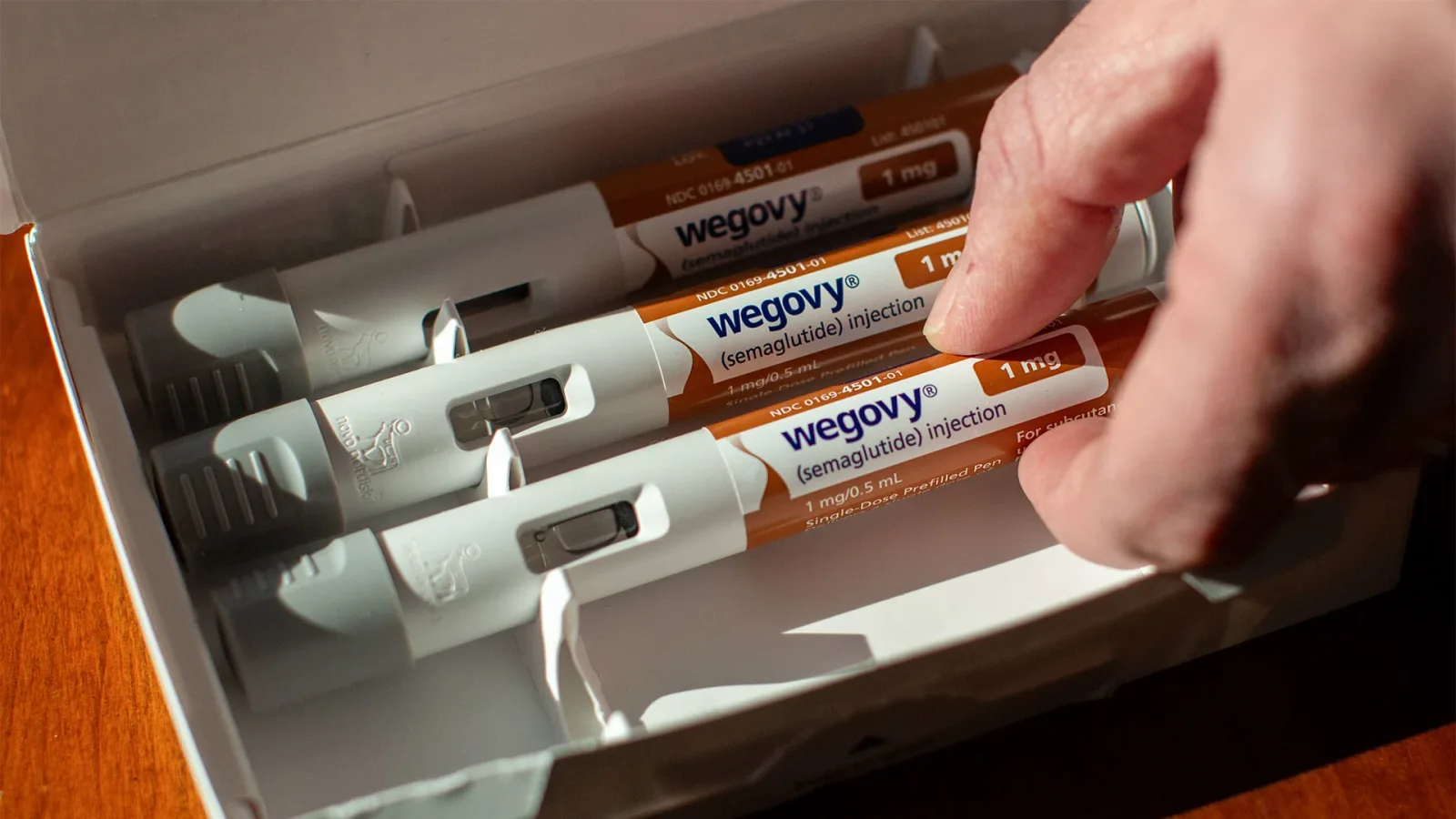
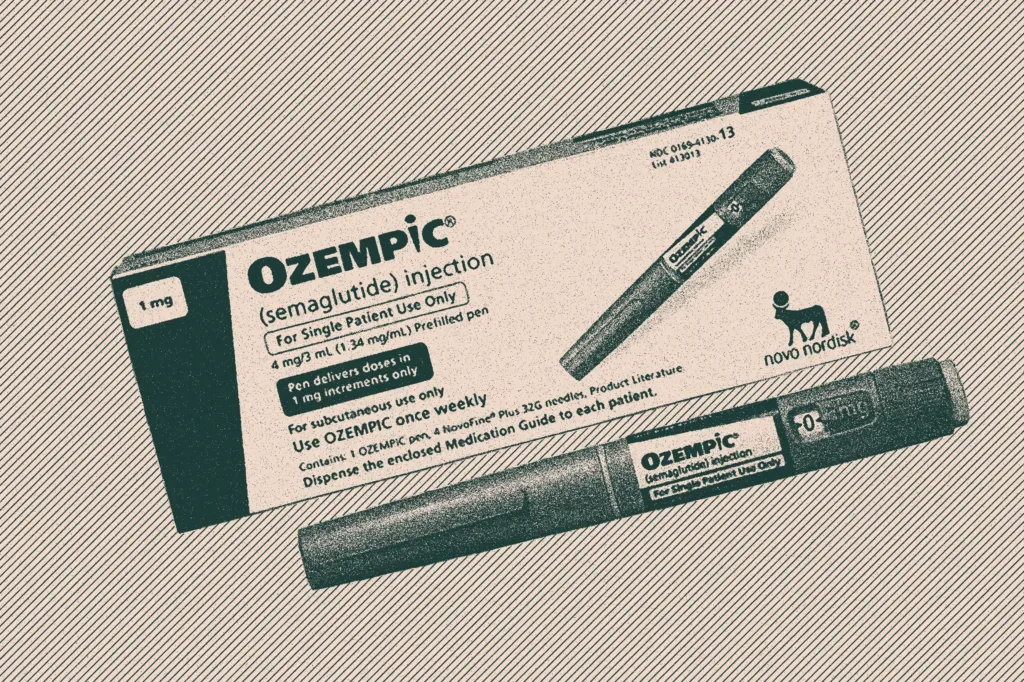
This ruling has particular significance for popular and often expensive medications, including the rapidly growing class of GLP-1 receptor agonists. These drugs, widely prescribed for type 2 diabetes and weight management, have seen remarkable demand. Medications like Ozempic (semaglutide), Wegovy (semaglutide), and Mounjaro (tirzepatide) are among the high-cost drugs that could eventually be subject to negotiation.

The government has already identified initial rounds of drugs for negotiation. For instance, the first group of 10 Medicare Part D drugs targeted for negotiation includes several widely used medications. The Trump administration, prior to the current administration, had also announced drugs targeted for a third round of the program, aiming to bring the total to 40 drugs with potentially lower prices for Medicare enrollees.

The inclusion of these blockbuster drugs in negotiation lists highlights the potential for substantial cost savings. For individuals relying on these medications for chronic conditions, lower negotiated prices could mean more affordable treatment and improved adherence. For patients using health tracking tools like Shotlee, monitoring medication costs and their impact on personal health budgets can become more manageable.

The Pharmaceutical Industry's Opposition

The pharmaceutical industry has been a vocal opponent of the IRA's drug negotiation provisions. Manufacturers argue that direct government negotiation will stifle innovation by reducing the revenue needed to fund research and development for new therapies. They contend that policymakers seeking to lower costs should instead focus on addressing inefficiencies within the broader healthcare system, such as the roles of insurers and pharmacy benefit managers (PBMs).

Drugmakers have also expressed concerns that the government's negotiation process may not adequately account for the value of innovative treatments. Their legal challenges aimed to halt or significantly delay the implementation of these provisions. However, with the Supreme Court's refusal to intervene, the path is now clearer for Medicare to implement its negotiation strategy.

Precision tracking for your journey

Join thousands using Shotlee to accurately track GLP-1 medications and side effects.

📱 Get the Shotlee App

Track your GLP-1 medications, peptides, and health metrics on the go with our mobile app!

Download on theApp Store
Get it onGoogle Play

What This Means for Patients and the Future of Drug Pricing

The Supreme Court's decision represents a significant shift in the federal government's approach to drug pricing. For Medicare beneficiaries, this could translate into lower out-of-pocket costs for a range of prescription drugs, particularly those with high price tags. The ability to negotiate prices for medications like semaglutide (Ozempic, Wegovy) and tirzepatide (Mounjaro) could make these life-changing therapies more accessible.

This ruling also sets a precedent for future healthcare legislation and negotiations. It signals a stronger governmental stance on controlling prescription drug expenditures. While the pharmaceutical industry's concerns about innovation are valid and warrant consideration, the immediate impact of this decision is a move towards greater affordability for a significant portion of the U.S. population.

For individuals managing chronic conditions, staying informed about how these changes might affect their medication costs is crucial. Utilizing tools to track medication expenses, understand treatment plans, and monitor health outcomes—potentially with platforms like Shotlee—can empower patients to navigate the evolving healthcare landscape.

Practical Takeaways

For Medicare beneficiaries and those who care for them, the Supreme Court's decision means that the government's power to negotiate drug prices is now firmly established. While the full impact will unfold over the coming years as more drugs are brought to the negotiation table, patients should be aware of the potential for cost reductions on certain medications. Staying in communication with healthcare providers and understanding insurance coverage will remain vital.

Frequently Asked Questions

What is the primary outcome of the Supreme Court's decision regarding Medicare drug price negotiations?

The Supreme Court has rejected appeals from pharmaceutical companies, allowing the federal government to proceed with negotiating prescription drug prices for Medicare beneficiaries as authorized by the Inflation Reduction Act.

Which types of drugs are likely to be affected by these negotiations?

The program initially targets high-cost drugs covered by Medicare Part D and Part B, based on total annual spending. This includes popular medications like GLP-1 agonists such as Ozempic, Wegovy (semaglutide), and Mounjaro (tirzepatide), as well as other high-expenditure drugs.

When will the first negotiated drug prices take effect?

The first set of negotiated drug prices under the Inflation Reduction Act is scheduled to go into effect in 2026.

What are the main arguments of the pharmaceutical companies against these negotiations?

Pharmaceutical companies argue that direct government negotiation will reduce revenue needed for research and development of new drugs, potentially stifling innovation. They also suggest focusing on other areas of the healthcare system, like PBMs and insurers, to lower costs.

How can patients stay informed about potential changes to their medication costs?

Patients can stay informed by consulting with their healthcare providers, reviewing updates from Medicare and the Centers for Medicare & Medicaid Services (CMS), and utilizing personal health tracking tools to monitor medication expenses and their impact on health and budget.


?Frequently Asked Questions

What is the primary outcome of the Supreme Court's decision regarding Medicare drug price negotiations?

The Supreme Court has rejected appeals from pharmaceutical companies, allowing the federal government to proceed with negotiating prescription drug prices for Medicare beneficiaries as authorized by the Inflation Reduction Act.

Which types of drugs are likely to be affected by these negotiations?

The program initially targets high-cost drugs covered by Medicare Part D and Part B, based on total annual spending. This includes popular medications like GLP-1 agonists such as Ozempic, Wegovy (semaglutide), and Mounjaro (tirzepatide), as well as other high-expenditure drugs.

When will the first negotiated drug prices take effect?

The first set of negotiated drug prices under the Inflation Reduction Act is scheduled to go into effect in 2026.

What are the main arguments of the pharmaceutical companies against these negotiations?

Pharmaceutical companies argue that direct government negotiation will reduce revenue needed for research and development of new drugs, potentially stifling innovation. They also suggest focusing on other areas of the healthcare system, like PBMs and insurers, to lower costs.

How can patients stay informed about potential changes to their medication costs?

Patients can stay informed by consulting with their healthcare providers, reviewing updates from Medicare and the Centers for Medicare & Medicaid Services (CMS), and utilizing personal health tracking tools to monitor medication expenses and their impact on health and budget.

Source Information

Originally published by Washington Times.Read the original article →

Read next

Keep exploring

More on Ozempic

Articles covering Ozempic dosing, side effects, and clinical updates.

Ozempic and Male Fertility: Can Semaglutide Boost Sperm Quality?
Health & Wellness

Ozempic and Male Fertility: Can Semaglutide Boost Sperm Quality?

Emerging research indicates that GLP-1 medications, including Ozempic and Mounjaro, may offer unexpected benefits for male reproductive health by addressing underlying metabolic issues.

7 min read
Semaglutide and Male Fertility: New Study Reveals Testosterone Boost
Health & Wellness

Semaglutide and Male Fertility: New Study Reveals Testosterone Boost

Can GLP-1 medications like Ozempic or Wegovy improve male fertility? A new study indicates potential benefits for testosterone and sperm health, but what does this mean for patients?

7 min read
Semaglutide and Blood Pressure Meds: Why Dizziness Risk Is Rising
Health & Wellness

Semaglutide and Blood Pressure Meds: Why Dizziness Risk Is Rising

A new study reveals a potential safety concern when combining GLP-1 medications with blood pressure drugs, highlighting the importance of monitoring hypotensive episodes in select patients.

8 min read

Same topic: Drug Pricing

All Drug Pricing articles →
Wegovy's New Subscription Saves Up to $1,200/Year – Not for Everyone
GLP-1 Medications

Wegovy's New Subscription Saves Up to $1,200/Year – Not for Everyone

Novo Nordisk has launched a new subscription program for Wegovy, promising up to $1,200 in yearly savings on injections to help patients maintain access to this GLP-1 obesity drug. With plans starting at $249 per month for 12 months, it targets self-pay users facing cost uncertainty. But eligibility limits mean it's not for everyone—here's what you need to know.

4 min read
GLP-1s Insurance Pricing Challenges: Q&A with Whitney Stidom
GLP-1 Medications

GLP-1s Insurance Pricing Challenges: Q&A with Whitney Stidom

High demand for GLP-1 medications meets steep pricing and insurance hurdles. In this Q&A, eHealth's Whitney Stidom reveals why 55% of employers cover GLP-1s for diabetes but only 36% for weight loss, plus upcoming policy changes capping costs at $245 monthly for Medicare enrollees. Discover actionable insights on affordability and access.

6 min read
Why Ozempic & GLP-1s Cost More in the US: A Guide
GLP-1 Medications

Why Ozempic & GLP-1s Cost More in the US: A Guide

A 54-year-old father walked away from his $997 Ozempic prescription due to sky-high costs. GLP-1 medications like Ozempic and Mounjaro offer transformative benefits for diabetes and obesity, yet US prices make them unaffordable for millions. This guide breaks down the pricing crisis, clinical value, and paths to reform.

4 min read

More in Healthcare Policy

Ozempic, Wegovy, Mounjaro: Why Rhode Island Medicaid Must Cover Obesity Meds
Health Policy & Innovation

Ozempic, Wegovy, Mounjaro: Why Rhode Island Medicaid Must Cover Obesity Meds

Rhode Island's strategic health initiatives are commendable, but a recent budget proposal to cut Medicaid coverage for GLP-1 obesity treatments like Ozempic and Wegovy raises serious concerns. This decision, while seemingly a cost-saving measure, risks long-term health consequences and increased healthcare expenditures.

6 min read
Ozempic, Wegovy & Beyond: How GLP-1 Drugs Are Changing What We Eat
Health & Wellness

Ozempic, Wegovy & Beyond: How GLP-1 Drugs Are Changing What We Eat

The rise of GLP-1 medications is profoundly altering consumer spending habits and food preferences, forcing the grocery industry to adapt. Discover the science behind these changes and how businesses are responding.

7 min read
Beyond Ozempic: The Future of Weight Loss & Metabolic Health Innovation
Health & Wellness

Beyond Ozempic: The Future of Weight Loss & Metabolic Health Innovation

The GLP-1 revolution is just the beginning. This article delves into the cutting-edge advancements poised to reshape the future of weight loss and metabolic health, offering insights for patients and observers alike.

7 min read
Share this article
  1. Home
  2. Blog
  3. Supreme Court Ruling: Medicare Drug Price Negotiations Move Forward
Dr. Adrian Vale, MD — Internal Medicine · Board-Certified Obesity Medicine
Medically reviewed

Dr. Adrian Vale, MD

Internal Medicine · Board-Certified Obesity Medicine

Dr. Adrian Vale is a board-certified internal medicine physician with a clinical focus on obesity medicine and metabolic health. He reviews Shotlee guides and articles on GLP-1 medications, peptide therapy, and weight-management protocols for clinical accuracy.

View all articles reviewed by Dr. Adrian Vale, MD
Shotlee LogoShotlee

Your comprehensive health tracking companion. Track, analyze, and optimize your journey with advanced metrics and community support.

Product

  • Medication Trackers
  • Health Guides
  • Calculators
  • Compare Medications
  • Pricing

Resources

  • Health Blog
  • Support Center

Legal

  • Privacy Policy
  • Terms of Service
  • Community Guidelines
  • Refund Policy

© 2026 Shotlee. All rights reserved.

Made with for the community♥ for the community