

Shotlee LogoShotlee
Blog
Download on theApp Store
Get it onGoogle Play
Skip to main content
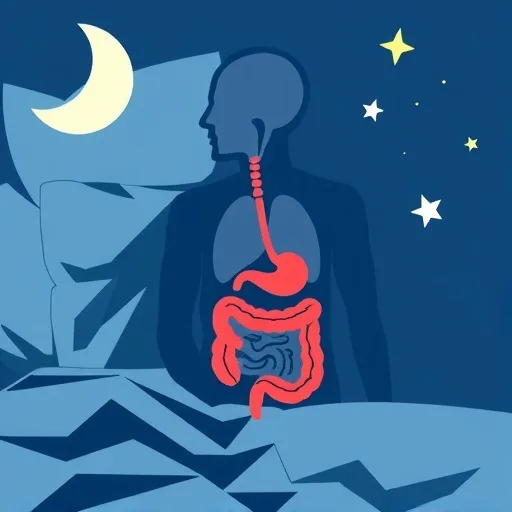
Sleep Deprivation & Gut Health: How Sleep Impacts Your Microbiome - Featured image
Health & Wellness

Sleep Deprivation & Gut Health: How Sleep Impacts Your Microbiome

Dr. Adrian Vale, MD
Reviewed by Dr. Adrian Vale, MDInternal Medicine · Board-Certified Obesity Medicine
·October 21, 2025·3 min read

On this page

  • The Surprising Link Between Sleep Deprivation and Your Gut Health
  • Sleep Deprivation: More Than Just Fatigue
  • The Gut Microbiome and Taurine: A Crucial Connection
  • What You Can Do: Prioritize Sleep for a Healthier Gut
  • Conclusion: Sleep, Gut Health, and Overall Well-being

Track Smart

Calculate active GLP-1 levels automatically with Shotlee.

Download →

Recent research highlights the critical link between sleep deprivation and gut health. Sleep loss can disrupt your gut microbiome, leading to decreased levels of essential metabolites like taurine. Understanding this connection is vital for overall wellness.

Share

On this page

  • The Surprising Link Between Sleep Deprivation and Your Gut Health
  • Sleep Deprivation: More Than Just Fatigue
  • The Gut Microbiome and Taurine: A Crucial Connection
  • What You Can Do: Prioritize Sleep for a Healthier Gut
  • Conclusion: Sleep, Gut Health, and Overall Well-being

The Surprising Link Between Sleep Deprivation and Your Gut Health

We all know a bad night's sleep leaves us feeling sluggish, but did you know it can also wreak havoc on your gut? Recent research has uncovered a fascinating connection between sleep deprivation, your gut microbiome, and overall health. Let's dive into how these seemingly disparate elements are intertwined.

Sleep Deprivation: More Than Just Fatigue

Sleep deprivation's effects extend far beyond simple tiredness. It's linked to impaired cognitive function, increased stress, and even metabolic disorders. According to a study in the Journal of Translational Medicine, sleep deprivation significantly alters the composition of your gut microbiome, impacting intestinal function.

Think of your gut microbiome like a bustling city of microorganisms. When you're sleep-deprived, it's like a major construction project disrupts the flow of traffic, leading to chaos and imbalances. This imbalance, known as dysbiosis, can have serious consequences for your health.

The Gut Microbiome and Taurine: A Crucial Connection

Your gut microbiome plays a critical role in maintaining intestinal homeostasis. An imbalance in gut bacteria (dysbiosis) can lead to various health issues, including gastrointestinal diseases and even mental health disorders. The study highlights that sleep deprivation can reduce levels of key metabolites, such as taurine, which are vital for gut health.

Taurine, a sulfur-containing amino acid produced by gut bacteria, is a key player in maintaining gut health. This deficiency has significant implications, as taurine influences bile salt formation, osmoregulation, and antioxidative defenses. Consider taurine the construction foreman of that gut city, when they don't show up to work, things start falling apart!

Precision tracking for your journey

Join thousands using Shotlee to accurately track GLP-1 medications and side effects.

📱 Get the Shotlee App

Track your GLP-1 medications, peptides, and health metrics on the go with our mobile app!

Download on theApp Store
Get it onGoogle Play

What You Can Do: Prioritize Sleep for a Healthier Gut

So, what can you do to protect your gut from the negative effects of sleep deprivation?

  • Prioritize sleep: Aim for 7-9 hours of quality sleep each night.
  • Practice good sleep hygiene: Create a relaxing bedtime routine, ensure a dark and quiet sleep environment, and avoid screen time before bed.
  • Support your gut microbiome: Consume foods rich in prebiotics and probiotics to promote the growth of beneficial gut bacteria.
  • Consider diet and lifestyle counseling: Talk to a health practitioner to get personalized recommendations for sleep and gut health.

Nr1d1: A Potential Therapeutic Target

The research also highlights the role of Nr1d1, a receptor that monitors circadian rhythms and regulates metabolic processes. Disruptions in Nr1d1 can increase susceptibility to metabolic disturbances linked to sleep deprivation. Targeting Nr1d1 or related pathways may offer innovative approaches to improve the health of individuals suffering from both sleep deprivation and intestinal dysbiosis.

Staying on top of habits that promote good health is key. Tools like Shotlee can help track your sleep patterns to better understand how rest impacts your health. It's a great way to see the correlation between your sleep and your gut health!

Conclusion: Sleep, Gut Health, and Overall Well-being

The connection between sleep deprivation and gut health is a critical aspect of overall well-being. By prioritizing sleep, supporting your gut microbiome, and considering personalized interventions, you can mitigate the negative effects of sleep deprivation and promote a healthier gut and a healthier you. As research continues to evolve, understanding these intricate connections will pave the way for comprehensive solutions aimed at enhancing quality of life.

Source Information

Originally published by Scienmag: Latest Science and Health News.Read the original article →

Read next

Keep exploring

More on Ozempic

Articles covering Ozempic dosing, side effects, and clinical updates.

Beyond the Scale: GLP-1 Users & the Exercise Paradox
Health & Wellness

Beyond the Scale: GLP-1 Users & the Exercise Paradox

While GLP-1 medications have revolutionized weight loss, a recent study indicates a concerning trend: users may be reducing their physical activity. This article explores the findings and emphasizes the continued importance of exercise.

7 min read
Ozempic, Wegovy & Mounjaro: Navigating Dizziness and Fainting Risks
Health & Wellness

Ozempic, Wegovy & Mounjaro: Navigating Dizziness and Fainting Risks

Recent research highlights a potential safety concern with GLP-1 medications, linking them to an increased risk of dizziness and fainting, particularly in certain patient groups. Discover what this means for your health.

6 min read
GLP-1 Revolution in India: Affordability Meets Accessibility in Obesity Fight
Health Technology & Access

GLP-1 Revolution in India: Affordability Meets Accessibility in Obesity Fight

The advent of affordable, locally produced GLP-1 agonists in India marks a significant shift in managing the nation's escalating obesity crisis. For millions like Manoj, these once exclusive medications are now within reach, provided they adhere to strict medical guidance and lifestyle adjustments.

6 min read

More in Health & Wellness

Beyond Ozempic: The Future of Weight Loss & Metabolic Health Innovation
Health & Wellness

Beyond Ozempic: The Future of Weight Loss & Metabolic Health Innovation

The GLP-1 revolution is just the beginning. This article delves into the cutting-edge advancements poised to reshape the future of weight loss and metabolic health, offering insights for patients and observers alike.

7 min read
Wegovy, Ozempic & Mounjaro: The Real Truth About Weight Loss Meds
Health & Wellness

Wegovy, Ozempic & Mounjaro: The Real Truth About Weight Loss Meds

A comprehensive guide to GLP-1 receptor agonists, understanding efficacy, managing side effects, and navigating the future of obesity treatment.

7 min read
Beyond Ozempic: A New Pill Targets Fat Metabolism Without Appetite Loss
Health & Wellness

Beyond Ozempic: A New Pill Targets Fat Metabolism Without Appetite Loss

A groundbreaking pill developed by researchers at Karolinska Institutet and Stockholm University offers a new avenue for treating type 2 diabetes and obesity. Unlike injectable GLP-1 agonists, this oral medication targets muscle metabolism to enhance fat burning and improve blood sugar control, aiming to circumvent common side effects.

7 min read
Share this article
  1. Home
  2. Blog
  3. Sleep Deprivation & Gut Health: How Sleep Impacts Your Microbiome
Dr. Adrian Vale, MD — Internal Medicine · Board-Certified Obesity Medicine
Medically reviewed

Dr. Adrian Vale, MD

Internal Medicine · Board-Certified Obesity Medicine

Dr. Adrian Vale is a board-certified internal medicine physician with a clinical focus on obesity medicine and metabolic health. He reviews Shotlee guides and articles on GLP-1 medications, peptide therapy, and weight-management protocols for clinical accuracy.

View all articles reviewed by Dr. Adrian Vale, MD
Shotlee LogoShotlee

Your comprehensive health tracking companion. Track, analyze, and optimize your journey with advanced metrics and community support.

Product

  • Medication Trackers
  • Health Guides
  • Calculators
  • Compare Medications
  • Pricing

Resources

  • Health Blog
  • Support Center

Legal

  • Privacy Policy
  • Terms of Service
  • Community Guidelines
  • Refund Policy

© 2026 Shotlee. All rights reserved.

Made with for the community♥ for the community