

Shotlee LogoShotlee
Blog
Download on theApp Store
Get it onGoogle Play
Skip to main content
Sex-Specific GLP-1 Brain Atlas Reveals Drug Impact Differences - Featured image
Peptide Therapy

Sex-Specific GLP-1 Brain Atlas Reveals Drug Impact Differences

Dr. Adrian Vale, MD
Reviewed by Dr. Adrian Vale, MDInternal Medicine · Board-Certified Obesity Medicine
·March 10, 2026·5 min read

On this page

  • The Need for a Sex-Specific GLP-1 Brain Atlas
  • Advanced Methods: RNAscope for Precise Mapping
  • GLP-1 in a Network of Sexually Dimorphic Peptides
  • Implications Beyond Metabolism: Psychiatric and Alzheimer's Potential
  • Study Limitations and Future Directions
  • What This Means for Patients and Clinicians
  • Conclusion
  • Hindbrain: Profound Sex Differences
  • Olfactory Bulb: Unexpected Metabolic Insights

Track Smart

Calculate active GLP-1 levels automatically with Shotlee.

Download →

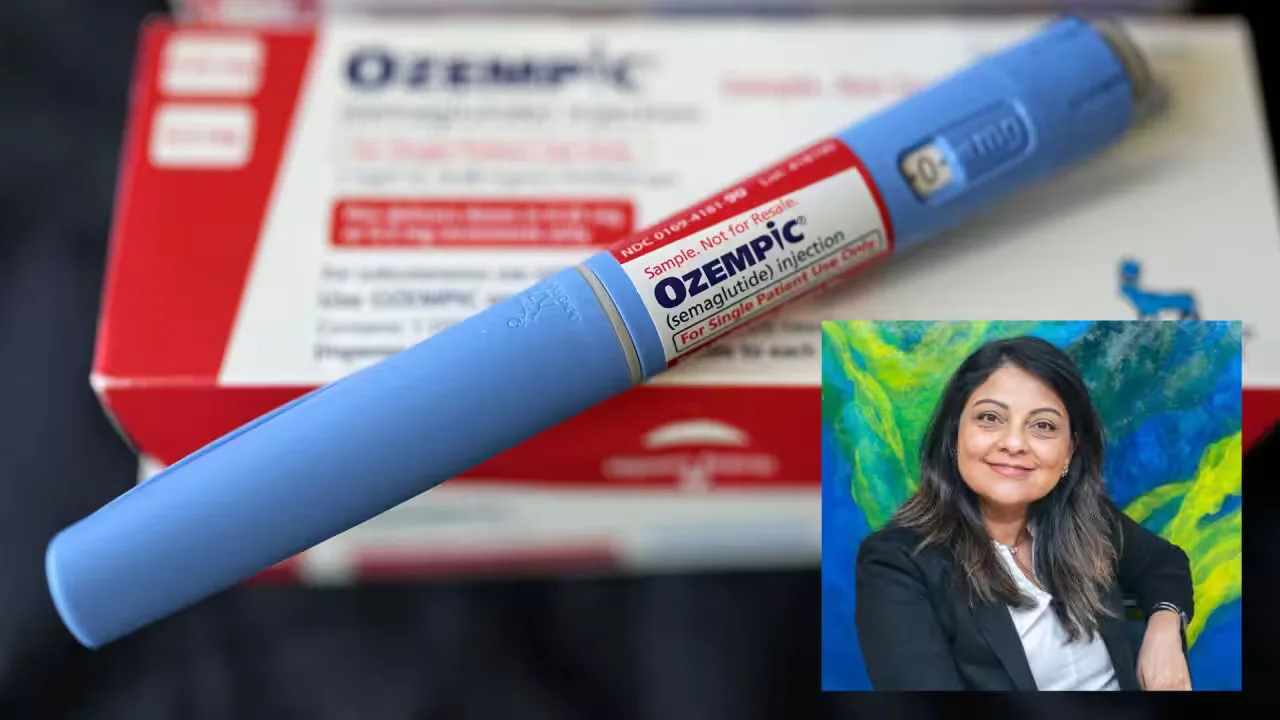
A new peer-reviewed study from Mount Sinai researchers has created the first sex-specific atlas of GLP-1 expression in the mouse brain, revealing dramatic differences between males and females. These insights into drugs like semaglutide and liraglutide could reshape treatments for obesity, diabetes, and even psychiatric disorders. Key hindbrain and olfactory bulb variations highlight why GLP-1 effects on appetite and weight loss differ by sex.

Share

On this page

  • The Need for a Sex-Specific GLP-1 Brain Atlas
  • Advanced Methods: RNAscope for Precise Mapping
  • GLP-1 in a Network of Sexually Dimorphic Peptides
  • Implications Beyond Metabolism: Psychiatric and Alzheimer's Potential
  • Study Limitations and Future Directions
  • What This Means for Patients and Clinicians
  • Conclusion
  • Hindbrain: Profound Sex Differences
  • Olfactory Bulb: Unexpected Metabolic Insights

Sex-Specific GLP-1 Brain Atlas Reveals Drug Impact Differences

Glucagon-like peptide 1 (GLP-1) analogs such as semaglutide, liraglutide, and lixisenatide have transformed obesity and diabetes management. A peer-reviewed study published in Brain Medicine (Genomic Press) introduces the first comprehensive sex-specific GLP-1 brain atlas, mapping GLP-1 expression at single-transcript resolution in the murine brain. Led by Vitaly Ryu, Anisa Gumerova, Georgii Pevnev, Tony Yuen, and senior author Mone Zaidi at the Icahn School of Medicine at Mount Sinai, this atlas identifies GLP-1 across 25 distinct brain nuclei, subnuclei, and regions in both sexes, exposing significant geographical differences.

These sex differences in GLP-1 expression are crucial because obesity and diabetes present sex-specific pathological features, and GLP-1 shows stronger effects on appetite suppression, glycemic regulation, and weight loss in females. The findings also open doors to psychiatric applications, including addiction and depression treatments.

The Need for a Sex-Specific GLP-1 Brain Atlas

Despite billions in sales and widespread prescriptions, the precise locations of GLP-1 in the brain—and sex-based variations—remained unclear. "We set out to build a resource that the field has needed for a long time," said Mone Zaidi, senior author and professor at the Icahn School of Medicine at Mount Sinai. "GLP-1 analogs are among the most impactful drug classes to emerge in decades, yet we have lacked a detailed, sex-specific map of where GLP-1 is actually expressed in the brain. This atlas provides that foundation."

GLP-1 agonists mimic the gut hormone GLP-1, which signals satiety, slows gastric emptying, and enhances insulin secretion. In the brain, they act on receptors to regulate feeding behavior and energy balance. Understanding sex-specific expression helps explain why women often experience greater weight loss on these drugs and informs personalized dosing or combinations.

Advanced Methods: RNAscope for Precise Mapping

The team used RNAscope, a highly sensitive technique detecting single mRNA transcripts. They analyzed whole brain sections from three female and three male mice, hybridizing ~20 pairs of transcript-specific double Z-probes to 5-micrometer-thick slices. Blinded observers manually counted transcripts in every tenth section, confirming inter-rater reliability. Probe specificity was validated in the small intestine, pancreas, and medullary nucleus of the solitary tract, with no staining in the kidney.

This overcame challenges of GLP-1's low brain abundance and rapid degradation, providing unprecedented resolution. GLP-1 was detected in the medulla, olfactory bulb, midbrain, pons, hippocampus, hypothalamus, thalamus, and ependymal layer of the third ventricle.

Hindbrain: Profound Sex Differences

The medulla and olfactory bulb showed the highest GLP-1 counts in both sexes, but patterns diverged sharply. In females, top hindbrain densities were in the raphe obscurus nucleus (ROb), ventral solitary tract (SolV), and medial solitary tract (SolM). In males, they were in central (SolCe), intermediate (SolIM), and medial (SolM) solitary tract subnuclei.

Females had higher densities and neuron counts in ROb, SolV (P=0.034), and SolVL (P=0.069 trend). Sex-biased expression appeared in several nuclei: only females showed GLP-1 in ambiguus nucleus, tectospinal tract, ventral cochlear nucleus (posterior), and cuneate nucleus; only males in dorsomedial spinal trigeminal nucleus, intercalated nucleus, paramedian reticular nucleus, SolCe, and spinal trigeminal nucleus (caudal). Highest single-sex peaks: ambiguus in females, SolCe in males.

"What struck us was not just where we found GLP-1 expression, but the degree to which the pattern diverged between females and males in specific hindbrain subnuclei," said Vitaly Ryu, co-first author. "Several medullary nuclei displayed expression in only one sex, which opens entirely new questions about how GLP-1 circuits operate differently in the female and male brain."

Precision tracking for your journey

Join thousands using Shotlee to accurately track GLP-1 medications and side effects.

📱 Get the Shotlee App

Track your GLP-1 medications, peptides, and health metrics on the go with our mobile app!

Download on theApp Store
Get it onGoogle Play

Olfactory Bulb: Unexpected Metabolic Insights

GLP-1 density was significantly higher in males' olfactory bulb (P=0.024), especially granular cell layer (GrO; P=0.031). These interneurons may modulate mitral cell excitability for post-prandial appetite suppression. Food odors trigger insulin release more in males, potentially linked to this. Females' estrogen enhances olfaction, possibly compensating for lower GLP-1. Males' higher GrO GLP-1 might amplify insulin signaling, explaining diet-induced hyperinsulinemia in males but not females.

GLP-1 in a Network of Sexually Dimorphic Peptides

GLP-1 interacts with orexigenic neuropeptide Y (lower in females), anorexigenic POMC (higher activity in females, estrogen-modulated), leptin (additive suppression via solitary tract), and ghrelin (counterbalances). GLP-1 axons in ROb appose serotonergic neurons for autonomic control. Additional sites: midbrain/pons (ventral tegmental area only in females), hippocampus (dentate gyrus), hypothalamus (lateral only in males), thalamus.

Implications Beyond Metabolism: Psychiatric and Alzheimer's Potential

"The implications extend well beyond metabolism," said Zaidi. Ventral tegmental area (reward) GLP-1 only in females and lateral hypothalamus (motivation) only in males suggest psychiatric roles. Detection in Alzheimer's-vulnerable areas like hippocampus supports investigations into neuroinflammation and memory.

Clinically, this underscores monitoring sex-specific responses to GLP-1 agonists. Women may benefit more for weight loss; men for insulin-related issues. Emerging psychiatric uses warrant sex-stratified trials.

Study Limitations and Future Directions

Small sample (n=3/sex) limits power for low-expression areas. Females unstaged for estrous; RNAscope shows transcripts, not function. Findings are hypothesis-generating, conserved across rodents/primates for translation.

This atlas guides precise GLP-1 therapies. Read the open-access article: Ryu V, et al. "Atlas of GLP-1 expression in the mouse brain: Neuroanatomical basis for metabolic and psychiatric effects." Brain Medicine 2026. DOI: 10.61373/bm026a.0006.

What This Means for Patients and Clinicians

Key Takeaways:

  • Sex-specific GLP-1 brain mapping explains differential drug responses in obesity/diabetes.
  • Females: Stronger hindbrain expression may drive better appetite/weight outcomes.
  • Males: Olfactory GLP-1 links to insulin dynamics.
  • Psychiatric/Alzheimer's potential requires sex-focused research.

Discuss GLP-1 agonists with your doctor, considering sex, comorbidities. Track symptoms with apps like Shotlee for side effects or adherence. Compare to alternatives like SGLT2 inhibitors, but GLP-1's brain effects are unique. Safety: Common GI issues; rare pancreatitis—monitor closely.

Conclusion

This sex-specific GLP-1 brain atlas demystifies why semaglutide et al. work differently by sex, paving personalized metabolic and brain health therapies. Patients: Share this with providers for informed decisions.


?Frequently Asked Questions

What is the sex-specific GLP-1 brain atlas?

It's the first comprehensive map of GLP-1 expression in mouse brains at single-transcript resolution, showing differences across 25 brain regions between females and males, published in Brain Medicine.

How does GLP-1 expression differ in the hindbrain between sexes?

Females show higher densities in raphe obscurus (ROb), SolV (P=0.034), and SolVL; sex-biased nuclei like ambiguus (females only) and SolCe (males only).

Why is higher GLP-1 in the male olfactory bulb significant?

It correlates with greater density in granular cell layer (P=0.031), potentially amplifying food odor-induced insulin release and explaining male hyperinsulinemia on high-fat diets.

What are the psychiatric implications of this GLP-1 atlas?

GLP-1 in reward areas like ventral tegmental (females only) and motivation regions (males only) supports emerging roles in addiction, depression, and Alzheimer's neuroprotection.

How might this study impact GLP-1 treatments like semaglutide?

It explains stronger female responses in appetite/weight loss and guides sex-stratified research for metabolic, glycemic, and brain health applications.

Source Information

Originally published by Mirage News.Read the original article →

Read next

Keep exploring

More on semaglutide

Articles covering semaglutide dosing, side effects, and clinical updates.

Ozempic and Male Fertility: Can Semaglutide Boost Sperm Quality?
Health & Wellness

Ozempic and Male Fertility: Can Semaglutide Boost Sperm Quality?

Emerging research indicates that GLP-1 medications, including Ozempic and Mounjaro, may offer unexpected benefits for male reproductive health by addressing underlying metabolic issues.

7 min read
Semaglutide and Male Fertility: New Study Reveals Testosterone Boost
Health & Wellness

Semaglutide and Male Fertility: New Study Reveals Testosterone Boost

Can GLP-1 medications like Ozempic or Wegovy improve male fertility? A new study indicates potential benefits for testosterone and sperm health, but what does this mean for patients?

7 min read
Semaglutide and Blood Pressure Meds: Why Dizziness Risk Is Rising
Health & Wellness

Semaglutide and Blood Pressure Meds: Why Dizziness Risk Is Rising

A new study reveals a potential safety concern when combining GLP-1 medications with blood pressure drugs, highlighting the importance of monitoring hypotensive episodes in select patients.

8 min read

Same topic: GLP-1 Agonists

All GLP-1 Agonists articles →
Oral Wegovy's Record-Breaking Launch: The New Era of Needle-Free Weight Loss
Medical News & Insights

Oral Wegovy's Record-Breaking Launch: The New Era of Needle-Free Weight Loss

Novo Nordisk's Wegovy oral formulation has achieved unprecedented prescription rates, marking a pivotal shift in obesity care and intensifying competition with Eli Lilly.

8 min read
Ozempic Muscle Loss: How a New Compound Preserves Strength
Health & Wellness

Ozempic Muscle Loss: How a New Compound Preserves Strength

New research from Stanford Medicine reveals a potential solution to the muscle loss associated with GLP-1 medications like Ozempic and Wegovy, offering hope for stronger, healthier weight loss.

8 min read
Ozempic Weight Loss: Why Your Body Needs One More Key Step
Health & Wellness

Ozempic Weight Loss: Why Your Body Needs One More Key Step

Ozempic is a household name, but experts warn it isn't a magic bullet. Dr. Shilpa Verma discusses the essential lifestyle component required for sustainable weight loss.

6 min read

More in Peptide Therapy

Wegovy, Ozempic & Mounjaro: The Real Truth About Weight Loss Meds
Health & Wellness

Wegovy, Ozempic & Mounjaro: The Real Truth About Weight Loss Meds

A comprehensive guide to GLP-1 receptor agonists, understanding efficacy, managing side effects, and navigating the future of obesity treatment.

7 min read
Beyond Ozempic: New Muscle-Burning Pill Reshaping Diabetes Care
Medical News

Beyond Ozempic: New Muscle-Burning Pill Reshaping Diabetes Care

A new experimental medication from Karolinska Institute targets muscle metabolism rather than appetite, offering a potential alternative to Ozempic and Wegovy with fewer side effects.

6 min read
Wegovy and Zepbound on Medicare: What the $50 Co-Pay Means for Your Health
Health & Wellness

Wegovy and Zepbound on Medicare: What the $50 Co-Pay Means for Your Health

A new federal agreement could lower the cost of popular weight-loss medications like Wegovy and Zepbound to $50 per month for eligible Medicare beneficiaries. Here is what you need to know about eligibility and clinical impact.

7 min read
Share this article
  1. Home
  2. Blog
  3. Sex-Specific GLP-1 Brain Atlas Reveals Drug Impact Differences
Dr. Adrian Vale, MD — Internal Medicine · Board-Certified Obesity Medicine
Medically reviewed

Dr. Adrian Vale, MD

Internal Medicine · Board-Certified Obesity Medicine

Dr. Adrian Vale is a board-certified internal medicine physician with a clinical focus on obesity medicine and metabolic health. He reviews Shotlee guides and articles on GLP-1 medications, peptide therapy, and weight-management protocols for clinical accuracy.

View all articles reviewed by Dr. Adrian Vale, MD
Shotlee LogoShotlee

Your comprehensive health tracking companion. Track, analyze, and optimize your journey with advanced metrics and community support.

Product

  • Medication Trackers
  • Health Guides
  • Calculators
  • Compare Medications
  • Pricing

Resources

  • Health Blog
  • Support Center

Legal

  • Privacy Policy
  • Terms of Service
  • Community Guidelines
  • Refund Policy

© 2026 Shotlee. All rights reserved.

Made with for the community♥ for the community