
The Social Shift: A Visible Change in the Workplace and Dining Rooms
There is a new breed on the rise among us. They look just like your childhood friends and long-time colleagues, but they are no longer the people you used to know. They are turning up to brunch in athleisure wear, picking at their food, and politely refusing dessert. Even as their waistlines shrink, the tribe of obesity and GLP-1 drug users is rapidly expanding.
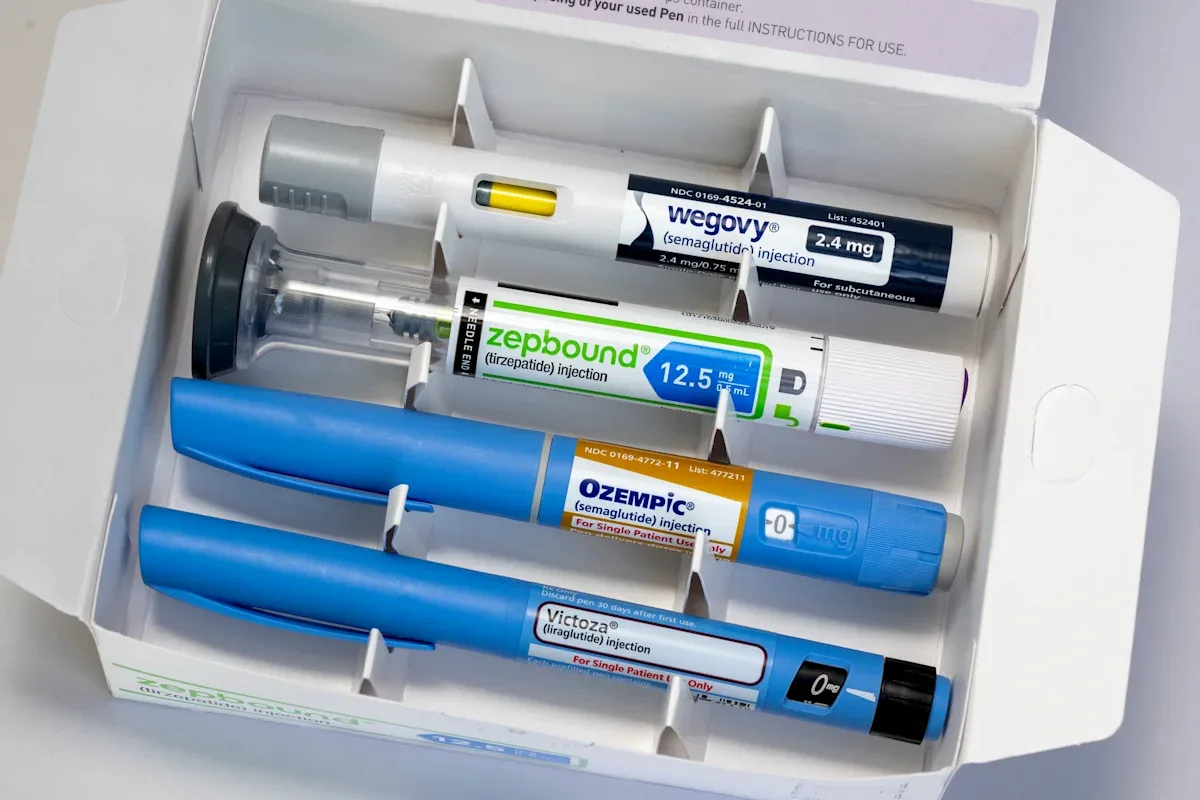
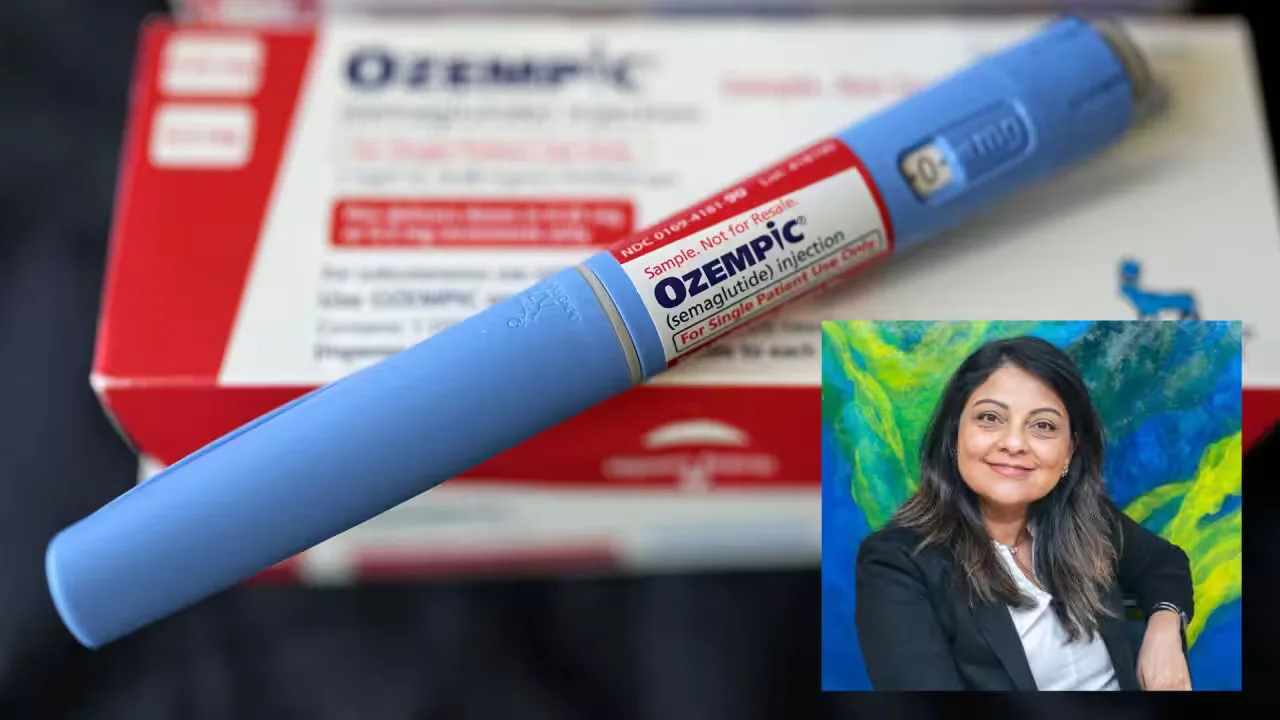
This is not just a change in fashion or diet; it is a medical and cultural tsunami. Since 2020, prescriptions for drugs such as Wegovy, Ozempic, and Mounjaro have more than tripled in the US alone. This surge represents a fundamental shift in how we approach metabolic health, moving away from calorie counting alone toward targeted pharmacological intervention.
As this movement grows, understanding the science, the risks, and the management of these medications becomes essential. Whether you are considering peptide therapy or simply observing the changes around you, navigating this landscape requires medical literacy and practical tracking.
The Science Behind the Surge: How GLP-1 and Tirzepatide Work
To understand why this "tsunami" is happening, we must look at the biology. For decades, weight loss was often framed as a failure of willpower. Modern medicine now recognizes obesity as a complex chronic disease driven by hormonal dysregulation.
The Role of GLP-1 Agonists
Glucagon-like peptide-1 (GLP-1) is an incretin hormone naturally produced in the gut. When you eat, GLP-1 signals the pancreas to release insulin and tells the brain that you are full. Synthetic versions of this hormone, known as GLP-1 agonists, mimic this effect.
Drugs containing semaglutide work by binding to these receptors, slowing gastric emptying and reducing appetite significantly. This isn't just about feeling less hungry; it is about resetting the body's "set point" for weight. Patients often report that food no longer holds the same emotional or physical pull it once did.
The Dual Agonist: Tirzepatide
More recently, the landscape expanded with tirzepatide (found in Mounjaro and Zepbound). Unlike semaglutide, which targets GLP-1 receptors, tirzepatide is a dual agonist. It activates both GLP-1 and glucose-dependent insulinotropic polypeptide (GIP) receptors. Clinical trials suggest this dual mechanism may lead to greater weight reduction compared to GLP-1 monotherapy alone, further fueling the demand.
Medication Showdown: Ozempic, Wegovy, and Mounjaro Compared
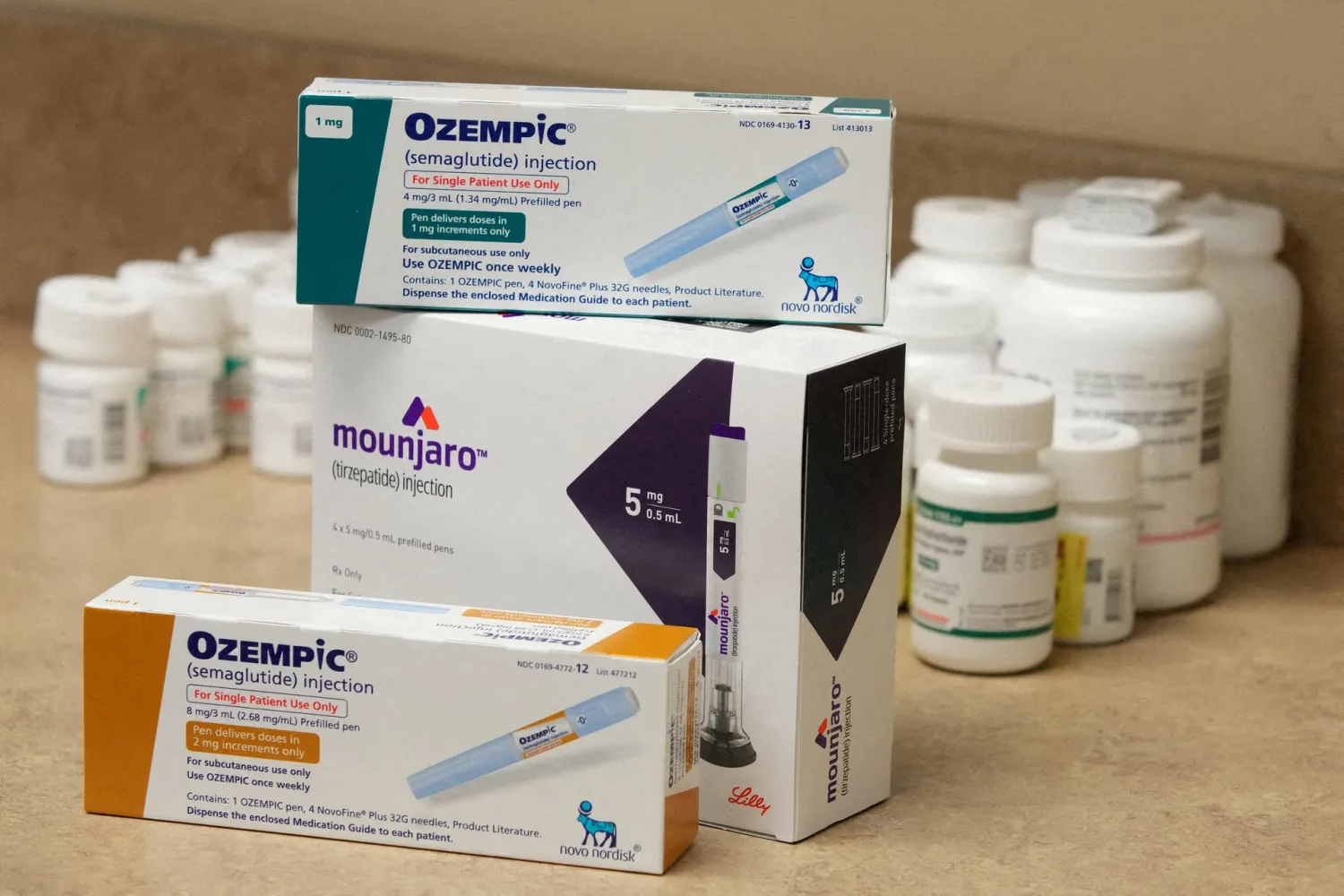
With so many names in the news, confusion is common. While these medications share similar mechanisms, they are approved for different indications and have distinct dosing profiles. Understanding the differences is crucial for safe usage.
Key Differences at a Glance
Below is a breakdown of the most prominent medications driving this trend:
| Medication Name | Active Ingredient | Primary FDA Indication | Administration |
|---|---|---|---|
| Ozempic | Semaglutide | Type 2 Diabetes | Weekly Injection |
| Wegovy | Semaglutide | Chronic Weight Management | Weekly Injection |
| Mounjaro | Tirzepatide | Type 2 Diabetes | Weekly Injection |
| Zepbound | Tirzepatide | Chronic Weight Management | Weekly Injection |
While Ozempic and Mounjaro are primarily prescribed for diabetes, they are frequently used off-label for weight loss. Wegovy and Zepbound are specifically formulated and dosed for obesity treatment, often allowing for higher maximum doses than their diabetes counterparts.
Navigating Side Effects and Safety Considerations
While the benefits are profound, these medications are not without risks. Most side effects are gastrointestinal and tend to be dose-dependent. Understanding what to expect can prevent unnecessary discontinuation of therapy.
Common Reactions
The most frequently reported side effects include:
Precision tracking for your journey
Join thousands using Shotlee to accurately track GLP-1 medications and side effects.
📱 Get the Shotlee App
Track your GLP-1 medications, peptides, and health metrics on the go with our mobile app!
- Nausea and Vomiting: Often occurs during the titration phase as the body adjusts.
- Diarrhea or Constipation: Changes in gut motility are common.
- Fatigue: Some patients report feeling tired as caloric intake drops.
- Injection Site Reactions: Mild redness or itching at the injection site.
Long-Term Safety and Muscle Mass
A critical consideration in the GLP-1 era is muscle preservation. Rapid weight loss can lead to sarcopenia (muscle loss) if protein intake and resistance training are not prioritized. Patients must ensure they are consuming adequate protein to maintain metabolic rate and physical strength during treatment.
Additionally, rare but serious risks include pancreatitis and gallbladder issues. Patients with a personal or family history of medullary thyroid carcinoma must discuss this with their provider before starting therapy, as animal studies have shown a risk of thyroid C-cell tumors.
The Importance of Data: Tracking Progress with Shotlee
When starting a new medication regimen, intuition is not enough. You need data. This is where health tracking becomes a vital part of the treatment plan.
Managing a GLP-1 journey involves more than just the weekly injection. It requires monitoring how your body responds to the dosage changes. Are you experiencing more nausea? Is your energy stable? Is the weight loss consistent?
Tools like Shotlee allow patients to log these variables systematically. By correlating your weight data with symptoms, meal logs, and dosage adjustments, you can identify patterns that might otherwise go unnoticed. For example, you might discover that nausea is worse on high-fat days, or that fatigue correlates with specific dose escalations.
This level of granularity helps you and your healthcare provider make informed decisions. Instead of a vague "I feel fine" or "I feel sick," you can provide concrete evidence of how the medication is affecting your physiology. This data-driven approach is essential for long-term adherence and success.
The Road Ahead: Access, Cost, and the Future of Peptide Therapy
The rapid rise in prescriptions has led to supply shortages and soaring costs. Insurance coverage varies widely, often requiring prior authorization or limiting coverage to patients with high BMI and comorbidities. This creates a barrier to entry that many face.
Looking Beyond the Short Term
As the market matures, we expect several trends to emerge:
- Generics and Biosimilars: As patents expire, competition will likely lower costs.
- Oral Formulations: Research is ongoing for daily oral tablets that mimic the efficacy of injections.
- Combination Therapies: Future treatments may combine GLP-1s with other metabolic pathways for even greater efficacy.
For now, the focus remains on sustainable health. The goal of these medications is not just to shrink waistlines, but to reduce the risk of cardiovascular disease, improve mobility, and enhance quality of life.
Conclusion
The rise of semaglutide and tirzepatide marks a pivotal moment in medical history. It validates the biological drivers of obesity and offers a powerful tool for management. However, these drugs are not magic pills; they are part of a broader lifestyle intervention.
As you navigate this new terrain, whether as a user or an observer, remember that success lies in the details. Track your progress, prioritize nutrition and strength, and maintain open communication with your healthcare team. The "tsunami" is here, and for many, it is bringing a new era of health and possibility.
Practical Takeaways
- Start Low, Go Slow: Adhere to titration schedules to minimize side effects.
- Prioritize Protein: Protect muscle mass while losing weight.
- Stay Hydrated: GLP-1s can mask thirst cues; drink water consistently.
- Track Your Journey: Use apps like Shotlee to monitor symptoms and weight trends.
- Communicate: Report persistent side effects to your provider immediately.