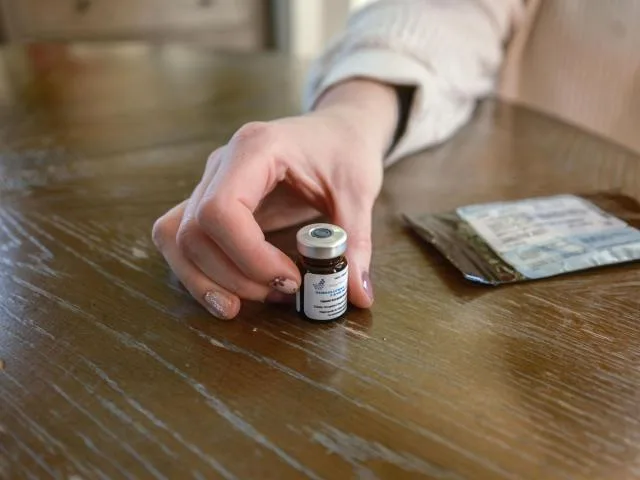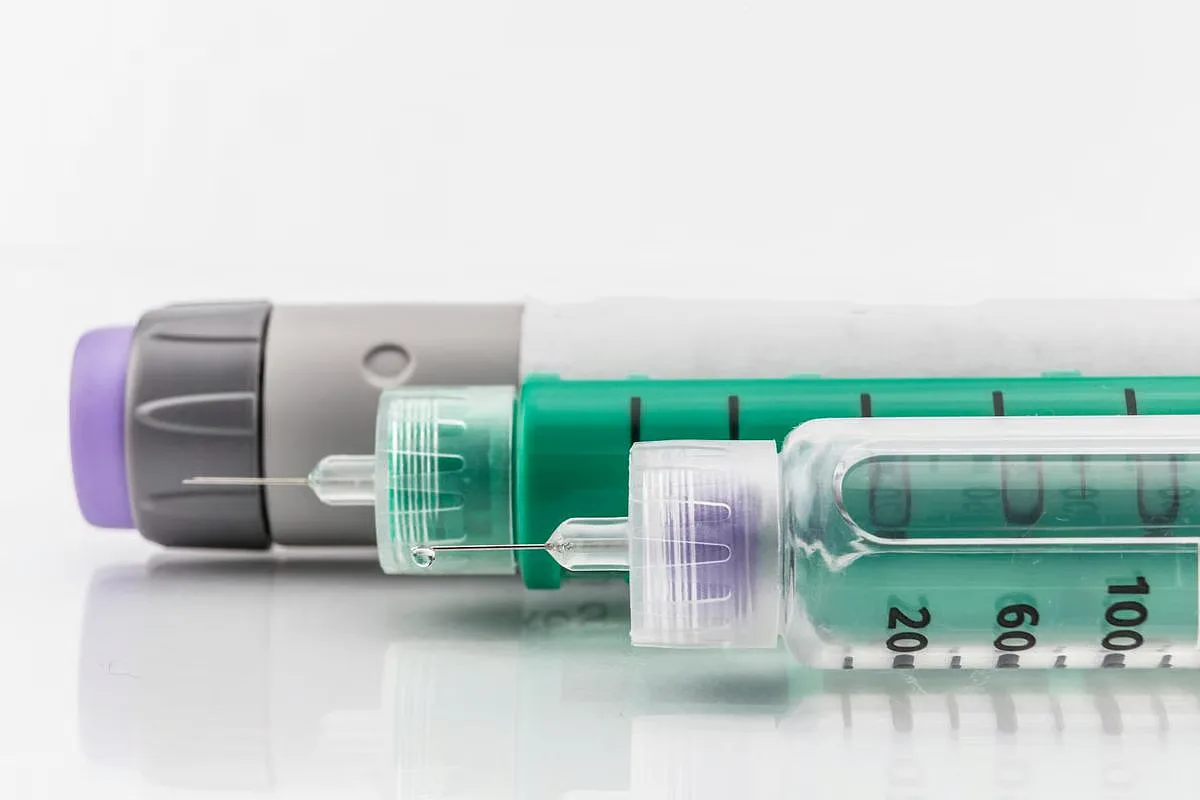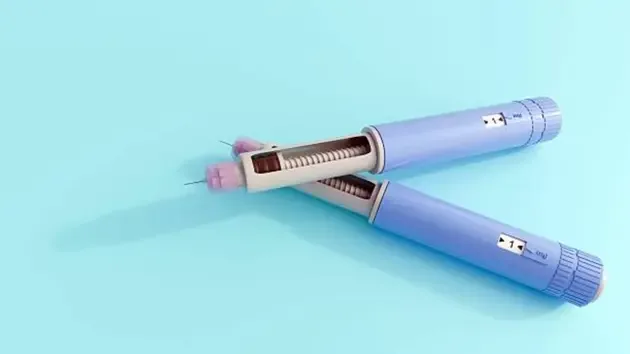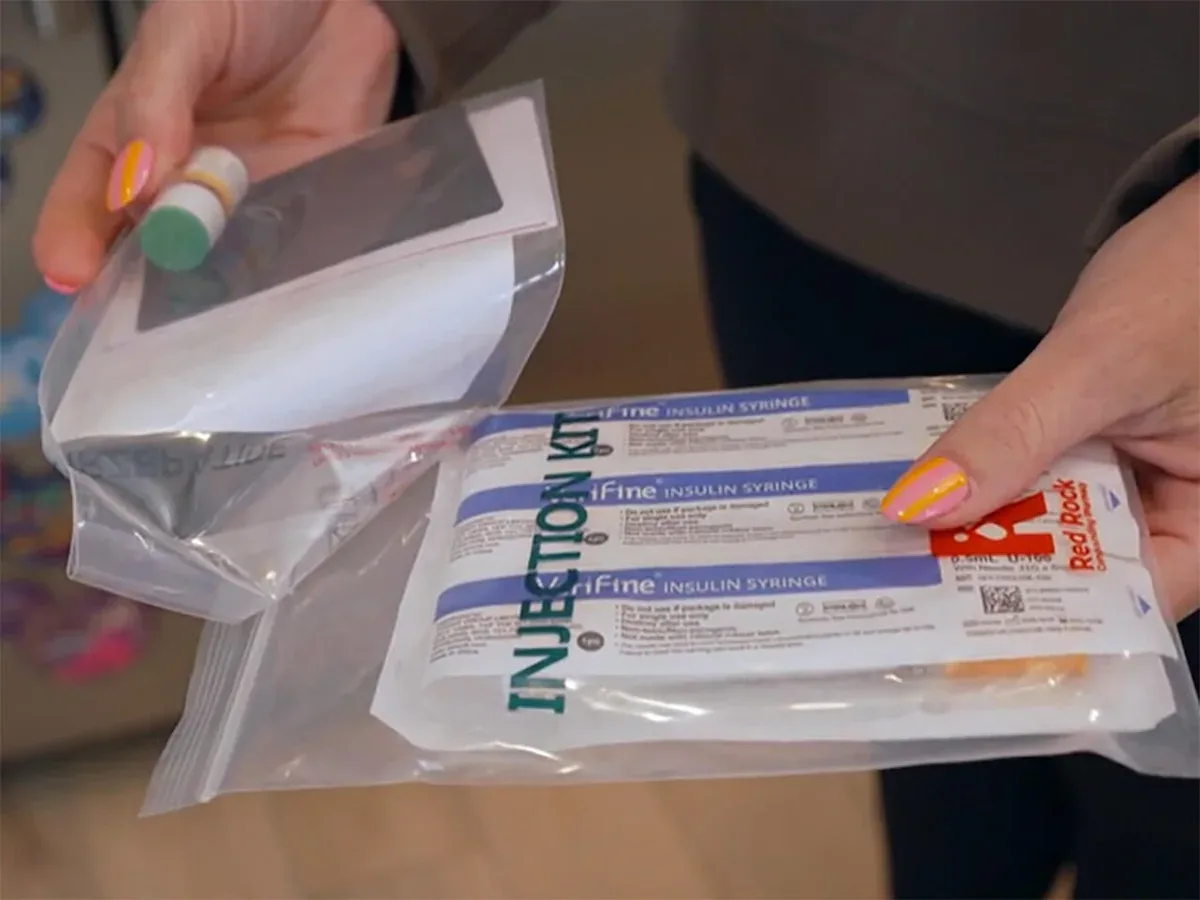


The journey of significant weight loss, often facilitated by powerful medications like Mounjaro, Wegovy, and Ozempic, can be transformative. Beyond the numbers on the scale, these treatments can unlock renewed confidence and a sense of well-being. However, for some, this journey comes with an unexpected and distressing side effect: hair loss. While the prospect of shedding pounds is exciting, the thought of thinning hair can be deeply unsettling, impacting self-esteem and femininity. This article delves into why this occurs, how it's managed, and what steps can be taken to encourage regrowth, drawing on both personal accounts and expert advice.
The Unexpected Toll: Hair Loss on Weight Loss Medications
For many, the initial stages of using GLP-1 agonists like semaglutide (found in Ozempic and Wegovy) and tirzepatide (found in Mounjaro and Zepbound) are marked by rapid and significant weight loss. This can lead to a profound sense of accomplishment and a return to feeling good in one's own skin. However, this dramatic physical change can, paradoxically, trigger a cascading effect on hair follicles. The phenomenon is commonly known as telogen effluvium, a type of temporary hair shedding.
This occurs when the body, under the stress of rapid weight loss and potential nutritional shifts, prioritizes essential functions over non-essential ones, like hair growth. Hair follicles enter a resting phase, leading to increased shedding. This can manifest as noticeable thinning, particularly on the crown and along the parting, leaving individuals feeling vulnerable and less confident. The emotional impact can be significant, as hair is often deeply intertwined with a person's sense of identity and femininity.
Understanding Telogen Effluvium
Telogen effluvium is a condition characterized by diffuse shedding of hair from the scalp. It's typically triggered by a significant stressor on the body, such as:
- Severe emotional stress
- Major surgery
- Childbirth
- High fever or severe infection
- Sudden, significant weight loss
- Nutritional deficiencies
- Certain medications
In the context of GLP-1 medications, the rapid weight loss itself is the primary trigger. The body perceives this rapid change as a form of stress, leading to the premature entry of hair follicles into the telogen (resting) phase, followed by shedding.
The Nutritional Connection: Why Diet Matters
A critical factor contributing to hair loss associated with rapid weight loss is inadequate nutrition. GLP-1 medications significantly reduce appetite, making it challenging to consume sufficient calories and, more importantly, essential nutrients. Hair requires a steady supply of protein, iron, B vitamins (especially biotin), zinc, selenium, and vitamin D to maintain its growth cycle and structure.
When caloric intake plummets, it becomes easy to develop deficiencies in these vital nutrients. Even if one is eating, the focus might shift to convenient, less nutrient-dense options due to a lack of appetite, further exacerbating the problem. This nutritional gap directly impacts the hair follicles, making them more vulnerable and less capable of supporting healthy hair growth.
Key nutrients for hair health include:
- Protein: The building block of hair.
- Iron: Essential for carrying oxygen to hair follicles.
- Biotin: Supports keratin production, a key protein in hair.
- Vitamin D: Plays a role in hair follicle cycling.
- Zinc: Important for hair tissue growth and repair.
Without these, the hair growth cycle can be disrupted, leading to thinning and shedding.
Strategies for Managing and Encouraging Hair Regrowth
While hair loss associated with GLP-1 medications is often temporary, proactive measures can significantly aid in managing the shedding and promoting regrowth. A multi-faceted approach, combining dietary adjustments, targeted supplementation, and specialized hair care, is often most effective.
Dietary Adjustments and Supplementation
The cornerstone of combating nutritional deficiencies is to prioritize nutrient-dense foods. Even with a reduced appetite, every meal should count. Focus on incorporating lean proteins, healthy fats, and a wide array of fruits and vegetables.
Precision tracking for your journey
Join thousands using Shotlee to accurately track GLP-1 medications and side effects.
📱 Get the Shotlee App
Track your GLP-1 medications, peptides, and health metrics on the go with our mobile app!
Specific dietary recommendations include:
- Protein-rich foods: Lean meats, fish, eggs, legumes, and dairy. Aim for a higher protein intake than the general population, potentially around 1.2g per kg of body weight.
- Iron sources: Red meat, spinach, lentils, and fortified cereals.
- Biotin-rich foods: Eggs, nuts, seeds, and sweet potatoes.
- Omega-3 fatty acids: Found in fatty fish like salmon, flaxseeds, and walnuts.
Supplementation can be crucial to fill any nutritional gaps. Consulting with a healthcare provider or a trichologist is recommended to identify specific deficiencies and tailor a supplement regimen. Common recommendations include:
- B Complex Vitamins and Biotin: Essential for hair growth and keratin production.
- Iron supplements: If iron levels are low.
- Vitamin D supplements: Especially if levels are deficient.
- Collagen supplements: Some individuals find collagen beneficial for hair health.
Regular blood tests can help monitor nutrient levels and adjust supplementation as needed. For individuals on HRT, ensuring adequate estrogen levels, as advised by a doctor, can also support hair health.
Targeted Hair Care and Treatments
Beyond internal nutrition, external care for the scalp and hair can make a significant difference. Specialized shampoos and conditioners designed to promote density and scalp health can be beneficial.
Consider incorporating:
- Gentle, volumizing shampoos and conditioners: Look for products that are free from harsh sulfates and silicones.
- Scalp treatments: Serums or drops containing ingredients like rosemary oil or peptides can stimulate the scalp and hair follicles. Rosemary oil, in particular, has shown promise in studies for its potential to improve hair growth.
- Minimizing heat styling: Reduce the use of hot tools like hairdryers, straighteners, and curling irons, which can cause breakage.
- Gentle handling: Avoid tight hairstyles that pull on the scalp.
For those seeking more advanced solutions, laser hair therapy devices, such as specialized caps that emit red or infrared light, are designed to stimulate hair follicles at a cellular level, promoting growth and thickening. These treatments, while an investment, can offer significant results for some individuals.
The Role of a Trichologist
A trichologist is a specialist in hair and scalp health. Consulting with a trichologist can provide expert diagnosis and personalized treatment plans. They can assess the extent of hair loss, identify underlying causes beyond medication side effects, and recommend appropriate interventions, from topical treatments to dietary advice and specialized therapies.
When to Seek Professional Help
While telogen effluvium is typically temporary, it's important to monitor the situation. If hair shedding continues for more than six months, or if you notice significant thinning that doesn't seem to be improving, it's advisable to consult a healthcare professional or a trichologist. They can rule out other potential causes of hair loss, such as underlying genetic predispositions (like early female pattern hair loss) or hormonal imbalances, and ensure that nutritional deficiencies are adequately addressed. Persistent shedding without correction of nutritional gaps can lead to chronic telogen effluvium, where the hair cycle remains disrupted.
Practical Takeaways for Your Hair Health Journey
Embarking on a weight loss journey with GLP-1 medications is a significant step towards better health. While hair loss can be a disheartening side effect, it's manageable. By focusing on:
- Nutrient-dense eating: Prioritize protein and essential vitamins and minerals.
- Smart supplementation: Address any identified deficiencies with your doctor's guidance.
- Gentle hair care: Protect your hair from breakage and stimulate your scalp.
- Professional consultation: Don't hesitate to seek advice from healthcare providers or trichologists.
With consistent effort and the right strategies, you can navigate this challenge and support your hair's journey back to health and vitality.
Conclusion
The experience of hair loss while taking powerful weight-loss medications like Mounjaro, Wegovy, or Ozempic can be a significant concern. However, understanding that this is often a temporary side effect of rapid weight loss, known as telogen effluvium, is the first step. By prioritizing a nutrient-rich diet, considering targeted supplements, adopting gentle hair care practices, and seeking professional guidance when needed, individuals can effectively manage this shedding and encourage healthy hair regrowth. The journey to reclaiming your confidence after weight loss can extend to restoring your hair's vitality, ensuring you feel your best inside and out.