
The Shifting Landscape of Medicaid Coverage for Weight Loss Medications
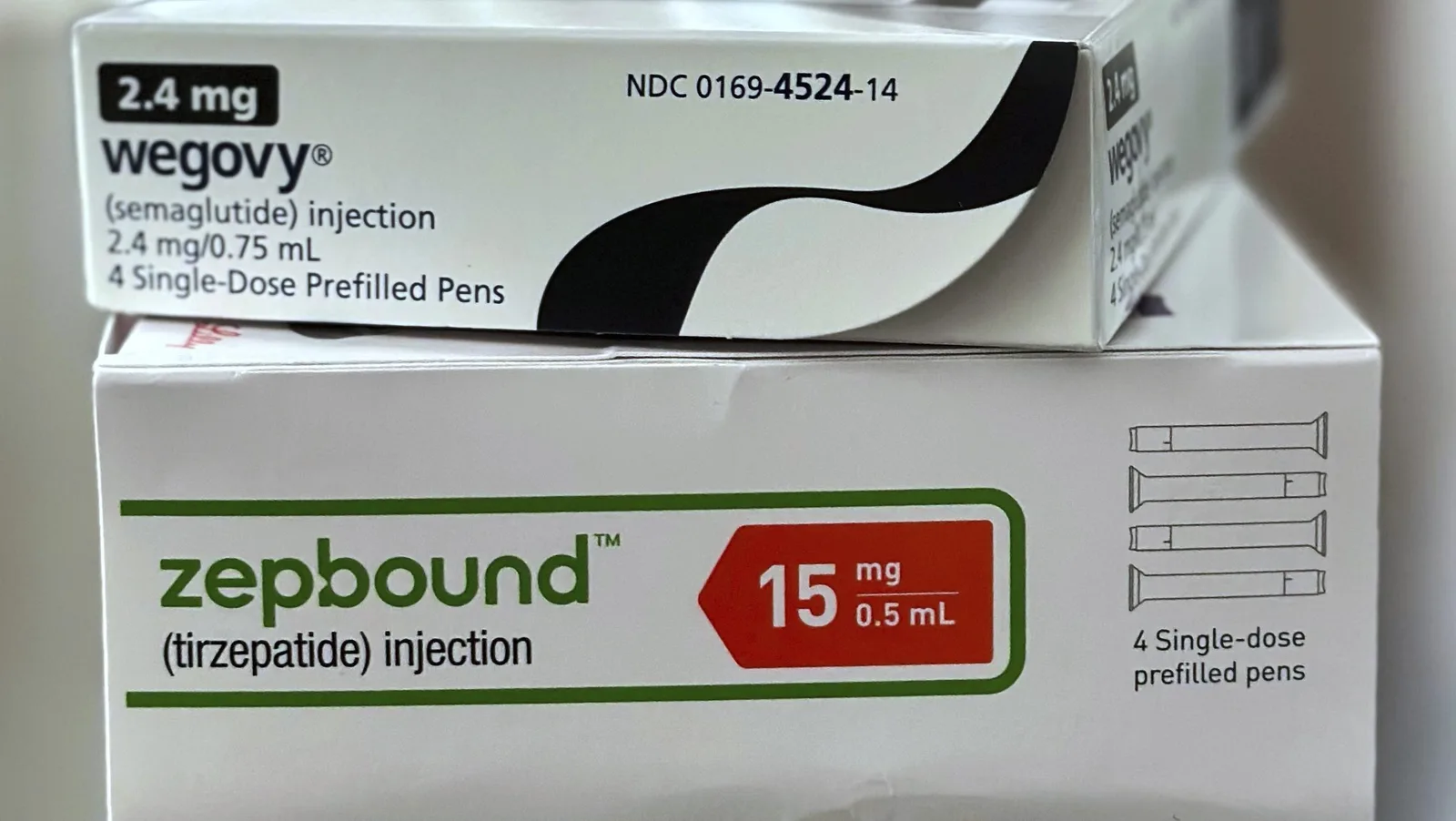
The availability of GLP-1 receptor agonists has revolutionized obesity treatment, offering new hope for millions struggling with weight management. However, a significant policy shift is currently underway across the United States. As of this year, thirteen state Medicaid programs continue to cover GLP-1 drugs for obesity treatment, a notable decrease from sixteen states just one year ago. This trend signals a tightening fiscal environment for state healthcare budgets, forcing difficult decisions regarding high-cost medications like semaglutide and tirzepatide.
States such as Pennsylvania, California, New Hampshire, and South Carolina have already eliminated coverage specifically for weight loss purposes. Meanwhile, Massachusetts and Rhode Island are currently considering similar measures in their proposed fiscal budgets. While the political and financial implications are complex, the impact on patients relying on Medicaid for access to life-saving peptide therapy is profound.
The Financial Reality: Why States Are Cutting Coverage
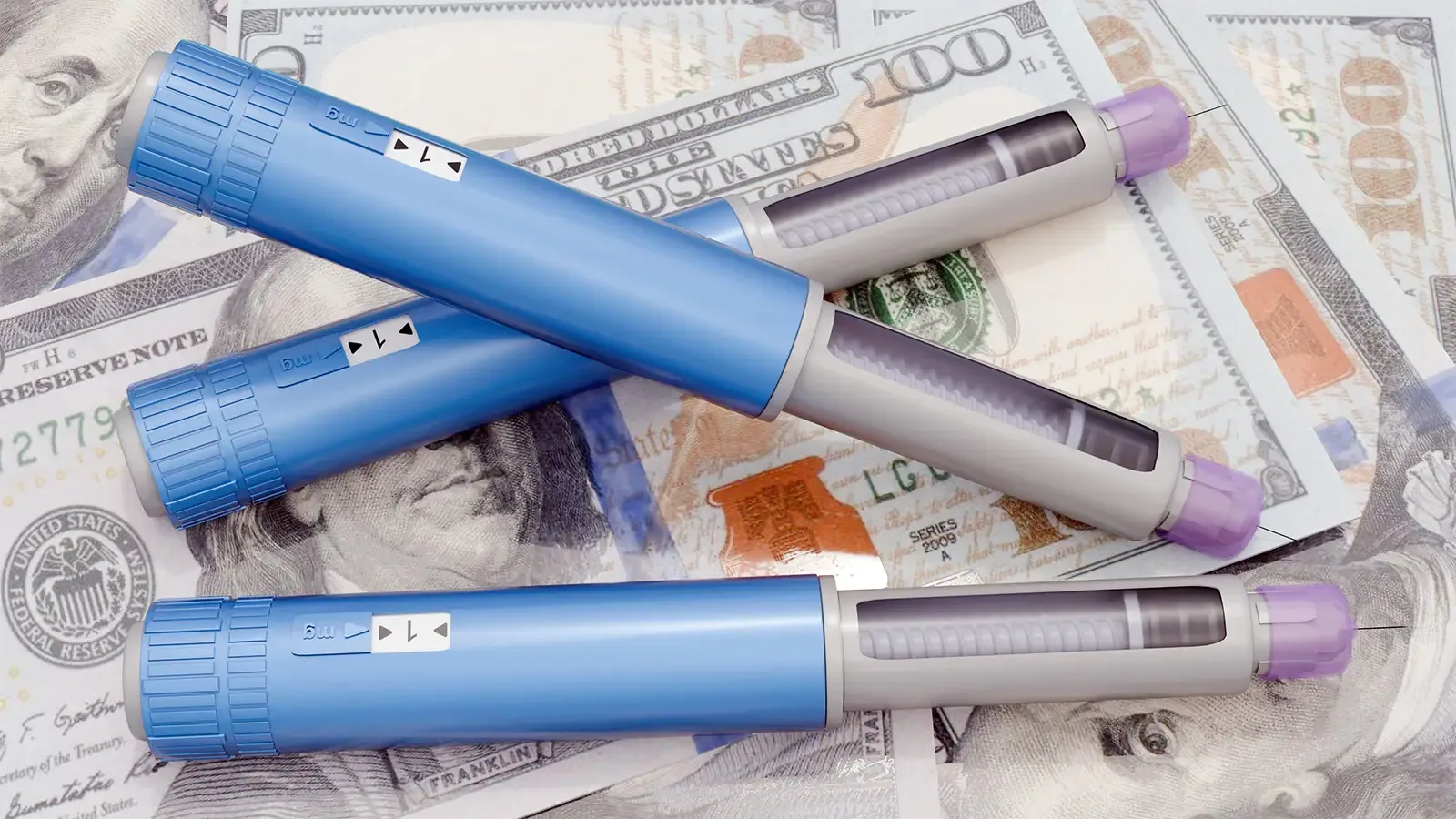
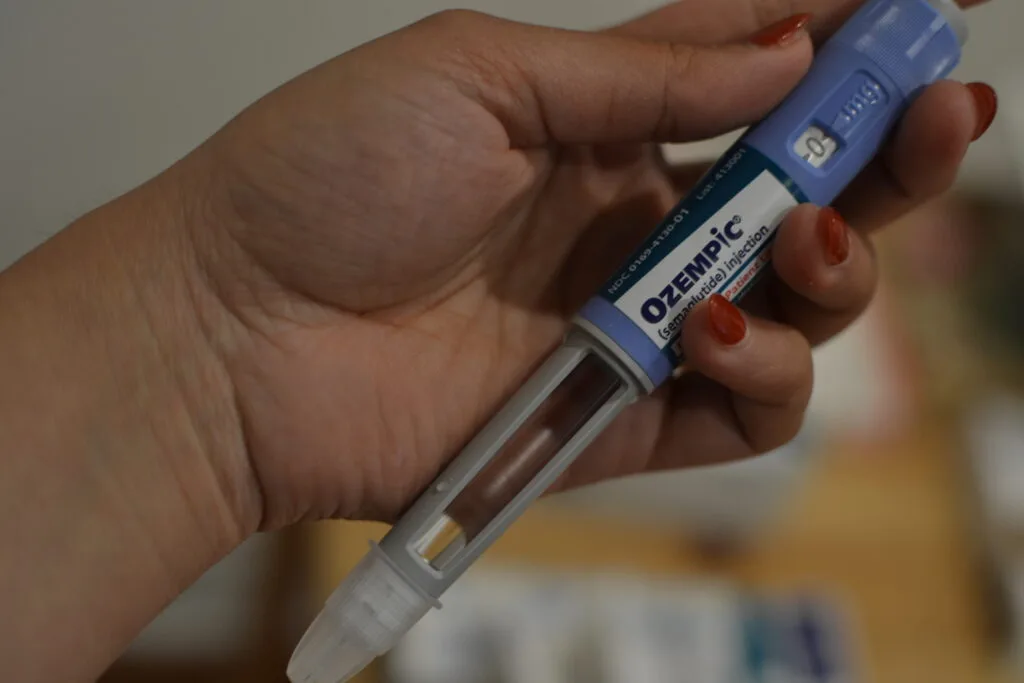
The primary driver behind these policy changes is the staggering cost associated with GLP-1 medications. According to data from the Kaiser Family Foundation (KFF), gross spending on Medicaid prescriptions for GLP-1s has surged dramatically. In 2019, spending was approximately $1 billion. By 2024, that figure had escalated to nearly $9 billion. This exponential growth in demand, driven by the efficacy of drugs like Ozempic and Wegovy, has strained state budgets significantly.
For state governments, the return on investment (ROI) for covering these drugs solely for weight loss is often viewed as insufficient compared to other healthcare priorities. While the long-term health benefits of weight loss are well-documented, the immediate monthly cost of maintaining coverage for a large Medicaid population creates a fiscal deficit that many governors and legislatures are unwilling to sustain.
However, the financial pressure is not the only factor. The distinction between treating Type 2 diabetes and treating obesity is critical here. Most states that have dropped coverage maintain it for diabetes management. This is because GLP-1s are FDA-approved for diabetes, and the cost-benefit analysis for preventing complications like kidney failure or cardiovascular events is often clearer to policymakers than the cost-benefit analysis for weight loss alone.
Navigating the Patchwork: A State-by-State Breakdown
As states reassess their formularies, the map of Medicaid coverage has become increasingly fragmented. Patients must understand their specific state's policy to know if their prescription is covered. While some states have reinstated coverage, others have tightened eligibility criteria to manage costs.
States Eliminating or Restricting Coverage
Several states have moved to remove weight loss coverage entirely or restrict it to the most severe cases. Pennsylvania was among the first to drop coverage for weight loss, citing budget strain. Other states like California, New Hampshire, and South Carolina followed suit. In Massachusetts, the governor's proposed fiscal 2028 budget explicitly excludes funding for GLP-1 medications for weight loss alone, though the legislature is still debating the final language. Rhode Island's governor has proposed similar removals.
Michigan offers a unique middle ground. Rather than a total ban, Michigan has restricted eligibility to patients with morbid obesity. This move is expected to save the state an estimated $240 million annually. This restriction effectively excludes patients who are overweight or moderately obese from accessing these medications through their public insurance plan.
States Maintaining or Reinstating Coverage
Conversely, some states are recognizing the long-term value of obesity treatment. North Carolina reinstated coverage in mid-December after having dropped it in October, suggesting a rapid reassessment of the policy's impact. Additionally, according to KFF, Medicaid programs in Delaware, Kansas, Michigan, Minnesota, Mississippi, Missouri, Tennessee, Utah, Virginia, and Wisconsin still cover these drugs for obesity treatment.
Meanwhile, Louisiana is currently debating a compromise. Lawmakers are considering allowing Medicaid to cover GLP-1s for obesity treatment only if enrollees have a comorbidity, such as prediabetes, hypertension, or cardiovascular disease. This approach attempts to balance budget constraints with clinical necessity.
| State | Coverage Status | Key Restrictions |
|---|---|---|
| Pennsylvania | Dropped | Weight loss only excluded |
| Massachusetts | Proposed Drop | Weight loss excluded; Diabetes covered |
| Michigan | Restricted | Morbid obesity only (Est. $240M savings) |
| North Carolina | Reinstated | Previously dropped in October |
| California | Dropped | Weight loss only excluded |
The Price of Progress: Future Pricing and Market Trends
One of the most significant developments in the GLP-1 market is the potential for price reductions. In February, Novo Nordisk, the largest producer of these drugs, announced plans to reduce their list prices to $675 per month in 2027. This is a crucial data point for patients and policymakers alike.
While the current list price is often prohibitive for people without insurance, a reduction to $675 could make these medications more accessible to the general population. However, this timeline extends several years into the future. For patients currently facing coverage cuts, this announcement offers hope but not immediate relief. The industry is also seeing increased competition from competitors like Eli Lilly (Mounjaro) and other peptide therapy developers, which may further drive prices down over time.
Precision tracking for your journey
Join thousands using Shotlee to accurately track GLP-1 medications and side effects.
📱 Get the Shotlee App
Track your GLP-1 medications, peptides, and health metrics on the go with our mobile app!
For now, Medicaid programs are attempting to manage the current high costs. The debate continues in states like Louisiana regarding whether to cover these drugs for patients with comorbidities. This suggests a trend toward "value-based" coverage, where drugs are covered only if they treat specific high-risk conditions alongside obesity.
Patient Impact: Managing Access and Health Tracking
For patients losing Medicaid coverage for GLP-1s, the transition can be medically and emotionally challenging. Obesity is a chronic condition, and abruptly stopping medication can lead to rapid weight regain and potential health complications. Approximately 40% of adults and a quarter of children with Medicaid have obesity and may benefit from having access to these drugs.
In this uncertain environment, proactive health management is essential. Patients should monitor their symptoms, weight changes, and metabolic markers closely. This is where tools like Shotlee become invaluable. By tracking your health data, such as weight trends, blood pressure, and medication adherence, you can demonstrate the medical necessity of your treatment to providers or insurance advocates.
If you are navigating a coverage gap, maintaining a detailed health record can help you:
- Identify Trends: Visualize how your health metrics correlate with medication use or discontinuation.
- Prepare for Appeals: Use data to support requests for coverage exceptions.
- Manage Expectations: Understand the physiological impact of stopping peptide therapy early.
Practical Takeaways for Patients
If you are facing a change in your Medicaid coverage, consider the following steps:
- Verify Your Formulary: Check your state's specific Medicaid drug list to confirm if Ozempic, Wegovy, or Mounjaro are covered for your specific diagnosis code.
- Discuss Alternatives: Speak with your provider about other weight management strategies or medications that may still be covered.
- Track Your Health: Use health tracking apps to document your progress and symptoms.
- Monitor Policy Updates: State budgets change frequently. Stay informed about legislative debates in your state, such as those in Massachusetts or Rhode Island.
- Explore Financial Aid: Look into manufacturer assistance programs or patient advocacy groups that may offer temporary support.
Conclusion
The debate over Medicaid coverage for GLP-1 weight loss drugs highlights the tension between rising healthcare costs and the demand for effective obesity treatments. While states like Pennsylvania and Massachusetts are restricting access to manage budgets, others like North Carolina are recognizing the clinical value of reinstating coverage. For patients, the landscape is complex, requiring vigilance and proactive health management to ensure continuity of care. As pricing models evolve and new data emerges, the goal remains to balance fiscal responsibility with equitable access to life-changing medical therapies.
Frequently Asked Questions
1. Which states have already dropped Medicaid coverage for GLP-1 weight loss drugs?
According to recent reporting, Pennsylvania, California, New Hampshire, and South Carolina have eliminated coverage for GLP-1 medications specifically for weight loss purposes. Massachusetts and Rhode Island are currently considering similar proposals in their fiscal budgets.
2. Will Medicaid still cover GLP-1s for diabetes if I lose weight loss coverage?
Yes. Most states that restrict coverage for weight loss maintain coverage for Type 2 diabetes. Medications like Ozempic and Mounjaro are FDA-approved for diabetes, and states generally continue to fund them for that indication even if they cut funding for obesity treatment alone.
3. How much has Medicaid spending on GLP-1s increased recently?
According to KFF, gross spending on Medicaid prescriptions for GLP-1s has increased from around $1 billion in 2019 to almost $9 billion in 2024. This nearly nine-fold increase is a primary driver behind states reconsidering their formularies.
4. Are there plans to lower the cost of these medications in the future?
Yes. Novo Nordisk announced in February that they plan to reduce list prices to $675 per month in 2027. While this may improve access, it does not solve the immediate coverage cuts affecting Medicaid patients today.
5. How can I track my health if I lose insurance coverage for these drugs?
Patients can use health tracking platforms like Shotlee to monitor weight, BMI, and symptoms. Documenting these metrics can help you communicate with your healthcare provider about the medical necessity of treatment or to prepare for insurance appeals.