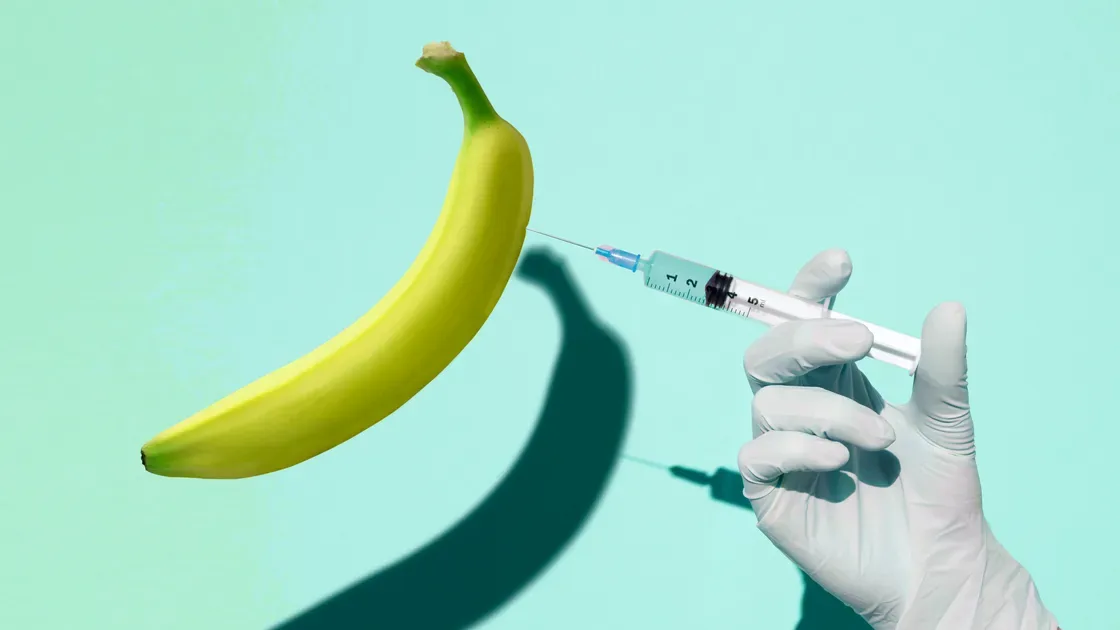

Is 'Ozempic Penis' A Real Phenomenon? Separating Viral Myth from Medical Fact
The meteoric rise of GLP-1 medications like Ozempic (semaglutide), Wegovy, and Mounjaro (tirzepatide) for weight management and type 2 diabetes has spawned countless discussions about their effects. Among the most curious and viral topics is the concept of "Ozempic penis"—the claim that these medications can increase penis size. Google search data reveals this term surged over 5,000% in a recent 30-day period, while anonymous forums like Reddit host numerous threads where men share personal anecdotes about noticing changes "down there" after starting treatment. But what does the science—and expert urologists—actually say? This comprehensive guide examines the evidence behind the viral claim, explains the real relationship between weight loss, GLP-1 medications, and male sexual health, and provides crucial context for patients navigating these treatments.
The Core Claim: Does Semaglutide Actually Increase Penis Size?
Let's address the headline question directly: No, GLP-1 medications do not physically increase the size of penile tissue. The penis is composed of corpora cavernosa (erectile chambers) and corpus spongiosum, structures whose dimensions are largely genetically determined and stable in adulthood, much like height or shoe size. There is no pharmacological mechanism by which semaglutide or other GLP-1 receptor agonists stimulate penile growth.
"'Ozempic penis' is no more than an illusion created by the loss of mons pubis fat surrounding the penis," said Dr. Paul Turek, a urologist at The Turek Clinic in San Francisco. "Hidden or 'buried' penises simply come out of their fat hideouts."
Dr. Turek notes this visual phenomenon is not unique to medication-induced weight loss; he has observed identical reports from patients after significant weight loss following bariatric surgeries like gastric sleeve procedures. The medical term for this condition is a "buried or hidden penis," where excess suprapubic fat pad (the mons pubis) conceals the penile shaft's base, making the visible portion appear shorter.
The Visual Illusion: How Weight Loss Changes Perception
The explanation is anatomical. In individuals with obesity, adipose tissue accumulates in the pubic area. As patients lose weight—whether through GLP-1 medications, diet, exercise, or surgery—this fat pad shrinks. This reveals more of the penile shaft that was previously concealed, creating the optical illusion of increased length. It's not that the penis has grown, but that more of its existing length is now visible and accessible.
Dr. Turek emphasizes that objective measurement confirms stability: "Trust me, when accurately measured—stretched flaccid penis length from pubic bone to tip—penis length remains unchanged with weight loss." This measurement technique is the clinical standard for assessing penile length, as it bypasses variable fat pad thickness.
The Real Impact of GLP-1s on Male Sexual Health
While the "size increase" claim is a visual trick, GLP-1 medications do have legitimate, complex effects on sexual function—both potentially positive and negative. Understanding this duality is crucial for patients and providers.
Potential Benefits: Improved Erections & Blood Flow
One significant potential benefit relates to erectile function. Erectile dysfunction (ED) is strongly linked to cardiovascular health, as erections depend on robust blood flow. Many individuals taking GLP-1s have underlying metabolic conditions like type 2 diabetes or obesity, which are risk factors for endothelial dysfunction and impaired circulation.
"Using a GLP-1 drug could potentially improve erections, too. That's because there are cardiovascular benefits to taking GLP-1s, which result in improved blood flow to the penis," explained Dr. Rena Malik, a urologist and host of "The Rena Malik MD Podcast." "That allows the penis to become more engorged with erection. If you take your penile measurement at maximum erection, your maximum erection may be larger for some."
This means that while flaccid length doesn't change, the quality of erection—its rigidity and fullness—might improve with better vascular health. Large cardiovascular outcome trials like the SELECT trial have demonstrated that semaglutide reduces major adverse cardiovascular events. This systemic improvement can translate to penile arteries. Dr. Turek summarizes the patient experience: "Because improvements in metabolic health occur with GLP, it can actually lead to better erections in obese and diabetic men. What I often hear is 'my wood is good again' after GLP-associated weight loss."
The Psychological Component: Confidence and Adaptation
Sexual health is not purely physical. Dr. Jamin Brahmbhatt, a urologist at Orlando Health Medical Group, highlights the mental and adaptive aspects of starting a new medication. "Some patients feel less themselves early in treatment—dizzy, low-energy, sometimes anxious about side effects—and that mental stress affects sexual performance," he notes. The initial adjustment period to GLP-1s, often marked by gastrointestinal side effects like nausea, can dampen libido and confidence.
However, as the body adapts and these side effects typically subside, and as weight loss progresses, many men experience a boost in self-esteem and body image. "Once the body adapts to the medication and nutrition stabilizes, most men see those issues resolved," Dr. Brahmbhatt explained. This improved psychological state can positively influence sexual desire and performance.
Precision tracking for your journey
Join thousands using Shotlee to accurately track GLP-1 medications and side effects.
📱 Get the Shotlee App
Track your GLP-1 medications, peptides, and health metrics on the go with our mobile app!
The Other Side: Potential Negative Effects on Libido and Function
The story isn't uniformly positive. Patient reports and emerging understanding of GLP-1 mechanisms suggest these medications can also have dampening effects on sexual desire and, for some, erectile function.
Reported Erectile Dysfunction and Libido Changes
Paradoxically, while some men report improved erections, others anecdotally report new or worsened erectile dysfunction after starting a GLP-1. "Seems paradoxical to think that GLPs can both improve and dampen erections, but it's true," Dr. Turek acknowledged. The reasons may be multifactorial: initial side effects (nausea, fatigue), rapid metabolic changes, or, as discussed below, a direct neurological effect.
Furthermore, decreased libido is a reported issue for both men and women. On forums like the Ozempic subreddit, some users describe a notable drop in sexual desire. One user shared: "I have more or less the same feelings that I have when when presented with a big meal. Like the thought of having sex is almost nauseating."
The Neurological Mechanism: Impact on the Brain's Reward Pathway
This potential libido reduction may have a scientific basis in how GLP-1 receptor agonists work in the brain. Dr. Rena Malik explains: "Some data do indeed show that GLP-1 medications can potentially affect the reward pathway needed for sexual desire. That's because the drugs work on a specific area in the brain called the nucleus tractus solitarius, which controls appetite and satisfaction."
By activating GLP-1 receptors in this brain region, these medications promote feelings of satiety and reduce "cravings." This suppression may extend beyond food. "When this receptor is blocked, you see appetite suppression," Malik said. "People may have lower cravings for food, gambling, alcohol, and potentially sex. It's not affecting the ability to get an erection, but it may be more difficult to get aroused if you don't feel desire."
While human studies are limited, preclinical research supports this. "This hasn't been tested out on humans yet, but Malik said mice given a GLP-1 drug showed decreased sexual interaction behaviors." This underscores that GLP-1s are potent neuromodulators whose effects are systemic.
Practical Guidance for Patients on GLP-1 Medications
What to Expect and When to Talk to Your Doctor
If you are taking or considering a GLP-1 medication for weight loss or diabetes, here’s a realistic framework for sexual health changes:
- The "Size Increase" Illusion: Understand that any perceived increase in flaccid size is almost certainly due to fat loss in the pubic area revealing more of the penile shaft. This is a positive cosmetic and functional benefit of weight loss.
- Erection Quality: Over the long term, as metabolic health improves, you may experience better erection quality due to enhanced blood flow. However, during the initial weeks of dose titration and side effect adjustment, temporary sexual dysfunction is possible.
- Libido Fluctuations: Be aware that your sexual desire might change. It might dip initially due to side effects or the drug's action on brain reward centers, and potentially improve later with weight loss and increased confidence. For some, a lower libido may persist.
- Tracking Changes: Consider using a tool like Shotlee to consistently log medication doses, side effects, and personal observations about libido or sexual function. This data can be invaluable for discussions with your healthcare provider.
Key Questions to Discuss With Your Urologist or Prescriber
- How might this medication interact with my existing sexual health or any ED treatments (like PDE5 inhibitors such as sildenafil)?
- Given my personal health profile (diabetes, cardiovascular status), what net effect on sexual function might we anticipate?
- If I experience a negative change in libido or erections, is it typically temporary (adjustment period) or something that may persist?
- How does weight loss itself, independent of the medication, typically affect testosterone levels and sexual function in men?
Dr. Turek offers a reassuring long-term perspective for those who struggle initially: "In any case, once weight loss slows and stabilizes, testosterone levels tend to rise, and sex drive and erections return." The improvement in metabolic parameters often creates a healthier hormonal environment conducive to sexual function.
Conclusion: Beyond the Viral Headline
The "Ozempic penis" phenomenon is a compelling mix of anatomical reality and viral misinformation. The core claim of increased size is false—it's a revealing, not a growing. However, the discussion opens the door to a more nuanced and important conversation about how GLP-1 medications and the significant weight loss they facilitate genuinely impact sexual health.
The effects are bidirectional and individualized. Potential benefits include improved erection quality through better cardiovascular health and the psychological boost of weight loss. Potential drawbacks include temporary or persistent reductions in libido mediated by the brain's reward pathways and possible initial ED during adjustment. The key for patients is open communication with their healthcare team, realistic expectations, and understanding that sexual health is an integral part of the metabolic health journey. By looking past the viral myth, individuals can better understand and manage the real, complex effects of these powerful medications.