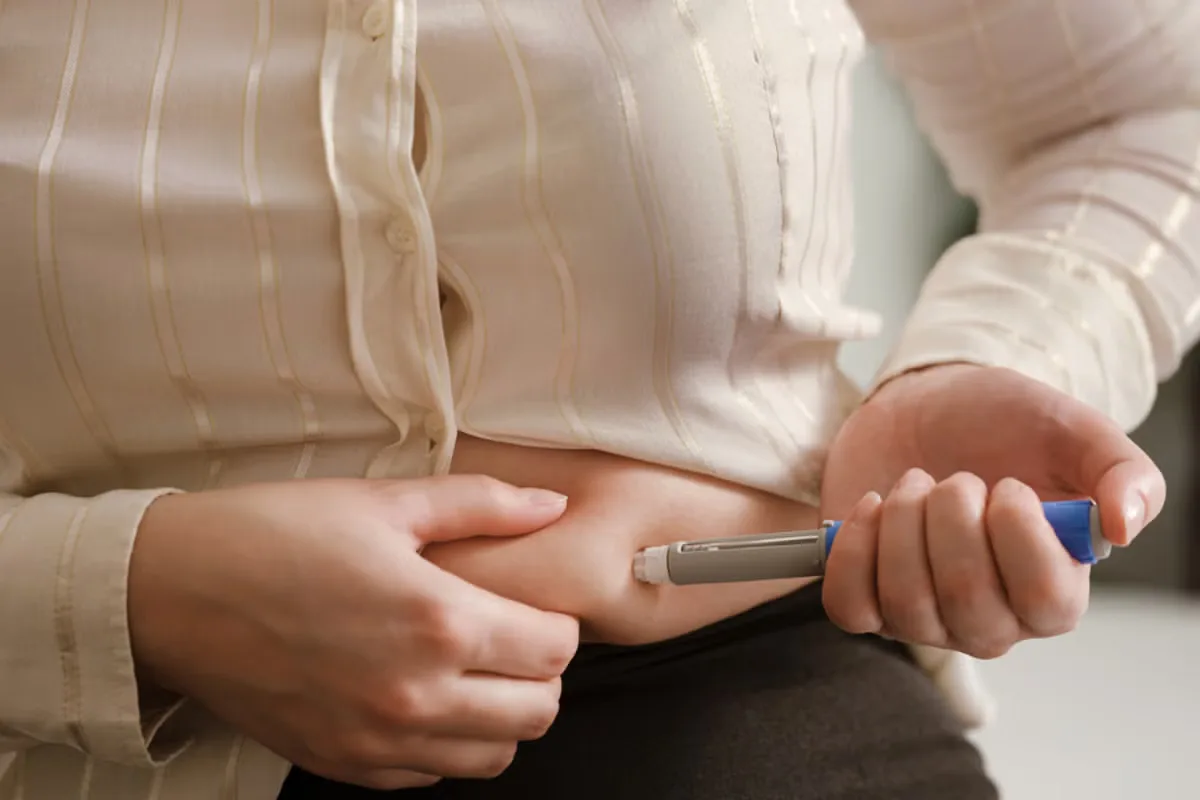


Shotlee LogoShotlee
Blog
Download on theApp Store
Get it onGoogle Play
Skip to main content
How Layla Taylor Got GLP-1 in Utah: Eating Disorder Warning - Featured image
Patient Stories & Warnings

How Layla Taylor Got GLP-1 in Utah: Eating Disorder Warning

Dr. Adrian Vale, MD
Reviewed by Dr. Adrian Vale, MDInternal Medicine · Board-Certified Obesity Medicine
·March 26, 2026·7 min read

On this page

  • Layla Taylor's GLP-1 Prescription Experience: A Cautionary Tale from Utah
  • GLP-1s as an "Unhealthy Crutch" for an Eating Disorder
  • Clinical Context: Why Proper Screening is Non-Negotiable
  • Key Takeaways and Patient Guidance
  • Conclusion: Accessibility Must Be Paired with Responsibility
  • The "Seamless" Path to a Prescription
  • The Physical Toll and Ongoing Recovery
  • The Intended Use of GLP-1 Medications
  • Red Flags in Taylor's Story for Medical Providers
  • For Patients Considering a GLP-1:
  • For Healthcare Providers:

Track Smart

Calculate active GLP-1 levels automatically with Shotlee.

Download →

Reality star Layla Taylor shares her concerning experience obtaining a GLP-1 prescription with alarming ease in Utah, revealing how the medication became an 'unhealthy crutch' amid her long-term battle with an eating disorder. Her story highlights critical gaps in patient screening and mental health considerations.

Share

On this page

  • Layla Taylor's GLP-1 Prescription Experience: A Cautionary Tale from Utah
  • GLP-1s as an "Unhealthy Crutch" for an Eating Disorder
  • Clinical Context: Why Proper Screening is Non-Negotiable
  • Key Takeaways and Patient Guidance
  • Conclusion: Accessibility Must Be Paired with Responsibility
  • The "Seamless" Path to a Prescription
  • The Physical Toll and Ongoing Recovery
  • The Intended Use of GLP-1 Medications
  • Red Flags in Taylor's Story for Medical Providers
  • For Patients Considering a GLP-1:
  • For Healthcare Providers:

Layla Taylor's GLP-1 Prescription Experience: A Cautionary Tale from Utah

In a revealing interview with Allure, Layla Taylor, star of Hulu's The Secret Lives of Mormon Wives, detailed how she obtained a prescription for the GLP-1 medication tirzepatide with disturbing ease from a Utah plastic surgeon in the fall of 2023. Her account, centered on the intersection of accessibility, weight loss culture, and mental health, serves as a critical case study on the need for rigorous medical oversight when prescribing potent metabolic medications. Taylor's story is not one of successful treatment but a warning about how these powerful drugs can exacerbate underlying conditions like eating disorders when prescribed without proper screening and ongoing supervision.

The "Seamless" Path to a Prescription

Taylor, 25, described the process of acquiring tirzepatide as remarkably straightforward, lacking the typical medical gatekeeping one might expect for a medication with significant physiological effects. "They just handed it to me without ever having an appointment with me," she shared. "They got me a prescription and it was at my house the next day." This experience occurred despite tirzepatide (marketed as Mounjaro for type 2 diabetes and Zepbound for weight management) being FDA-approved for chronic weight management only in adults with obesity or overweight with at least one weight-related condition, and requiring careful patient assessment.

She directly linked this ease of access to the aesthetic pressures prevalent in her home state. "I think that if people assume that this is a vain state, they would be correct," Taylor told Allure. "Appearance is everything here." This context is crucial, suggesting that cultural environment can influence medical practice and patient demand, potentially leading to prescriptions driven more by cosmetic goals than documented medical necessity.

GLP-1s as an "Unhealthy Crutch" for an Eating Disorder

Taylor has been public about her long-standing battle with an eating disorder, a struggle she highlighted on Season 4 of her reality series. She explained that her motivation for seeking a GLP-1 was deeply intertwined with this disorder, not separate from it.

"I feel like the GLP-1 was a way to not enable the eating disorder, but in my head, it was a way to make an eating disorder more easy. It was just like an unhealthy crutch," she confessed.

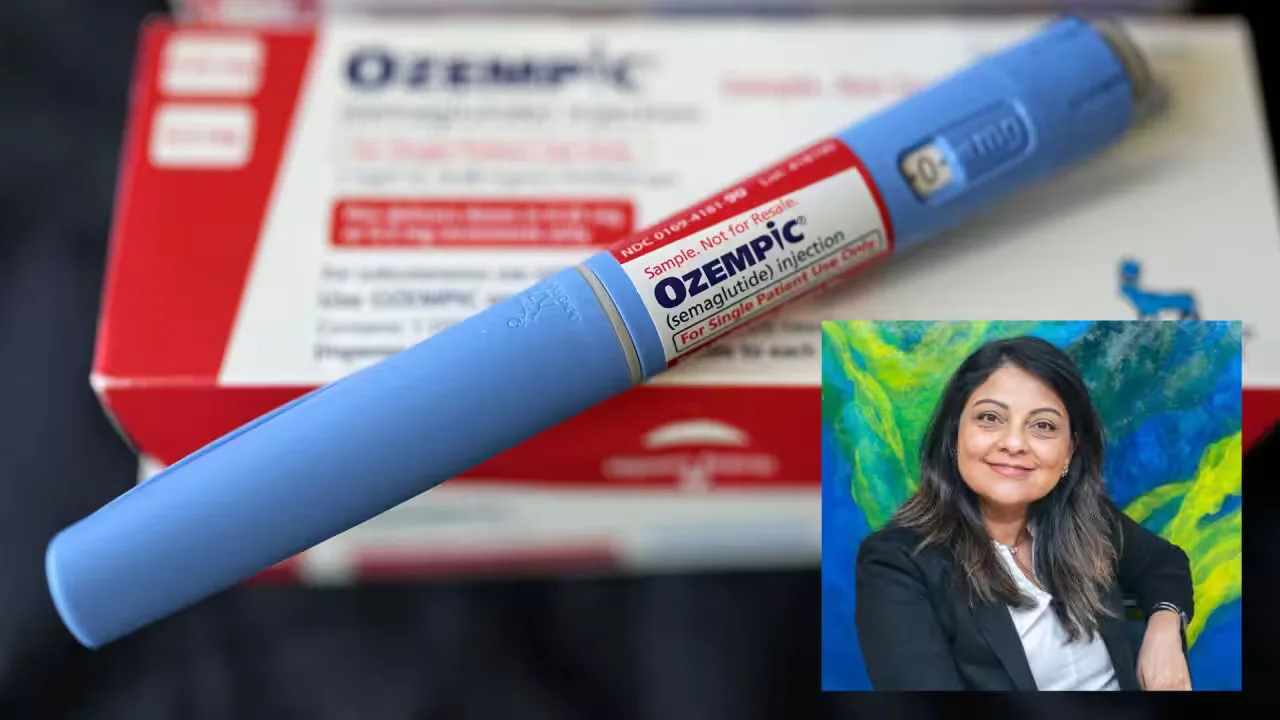
This distinction is vital for patients and providers to understand. While GLP-1 receptor agonists like semaglutide (Ozempic, Wegovy) and tirzepatide are legitimate tools for managing obesity—a complex chronic disease—they work in part by reducing "food noise" and promoting satiety. For someone with an active eating disorder, this pharmacological suppression of appetite can dangerously mimic and reinforce disordered patterns of restrictive eating, creating a medically-sanctioned pathway for harmful behaviors.

The Physical Toll and Ongoing Recovery

Taylor's experience underscores that rapid weight loss, even when medically induced, is not without consequence. She described significant physical side effects that are important for any prospective patient to consider:

Precision tracking for your journey

Join thousands using Shotlee to accurately track GLP-1 medications and side effects.

📱 Get the Shotlee App

Track your GLP-1 medications, peptides, and health metrics on the go with our mobile app!

Download on theApp Store
Get it onGoogle Play
  • Musculoskeletal pain: "It hurts for them to lay down at night because their joints hurt."
  • Hair loss (Telogen Effluvium): "My hair is falling out."
  • Brittle nails: "My nails are breaking off every day."

These are known potential side effects of rapid weight loss and significant caloric deficit, whether from medication, severe dieting, or illness. Taylor stated her body "literally couldn't go any longer at the rate I was going," leading her to stop the medication. She emphasizes that recovery is an ongoing process: "It's still going to be a battle... It's something that I've struggled with since I was a little girl, so it's something I probably always will." She continues to seek treatment at an outpatient facility and manages body image issues without the medication she felt was enabling her disorder.

Clinical Context: Why Proper Screening is Non-Negotiable

The Intended Use of GLP-1 Medications

GLP-1 receptor agonists are groundbreaking medications for managing type 2 diabetes and, specifically for formulations like Wegovy and Zepbound, chronic obesity. Their efficacy is well-documented in large clinical trials like STEP and SURMOUNT. However, their mechanism—slowing gastric emptying, increasing insulin secretion, and acting on brain receptors to reduce appetite—makes comprehensive patient evaluation essential. Prescribing guidelines explicitly recommend against use in patients with a history of certain eating disorders, like anorexia nervosa or bulimia nervosa, due to the risk of exacerbation.

Red Flags in Taylor's Story for Medical Providers

Taylor's account reveals several missed opportunities for intervention that should be standard in ethical practice:

  1. No Patient-Provider Appointment: The lack of a face-to-face consultation bypasses the fundamental step of taking a full medical and psychiatric history.
  2. Absence of Mental Health Screening: A simple screening for disordered eating patterns or body dysmorphia was evidently not conducted.
  3. No Discussion of Risks/Benefits: The rapid delivery suggests informed consent about potential side effects and long-term commitment may have been lacking.
  4. Motivation Assessment: The prescriber did not explore whether the request was primarily driven by aesthetic pressure versus a holistic health goal.

Key Takeaways and Patient Guidance

Layla Taylor's story is a powerful reminder that patient advocacy and provider diligence are paramount in the era of highly effective weight-management drugs.

For Patients Considering a GLP-1:

  • Seek a Comprehensive Evaluation: Consult with a primary care physician, endocrinologist, or obesity medicine specialist who will review your full history, including mental health.
  • Be Brutally Honest About Your History: Disclose any past or present struggles with eating disorders, body image, or disordered eating patterns. This information is critical for your safety.
  • Understand the "Why": Are you seeking medication to improve metabolic health markers (blood sugar, blood pressure, liver fat) or purely for cosmetic change? A qualified provider will help you explore this.
  • Plan for Monitoring: Legitimate treatment involves regular follow-ups to monitor weight, side effects, and nutritional status. Tools like Shotlee can help patients consistently track symptoms and medication schedules to provide accurate data for these discussions.

For Healthcare Providers:

  • Conduct Mandatory Screening: Use validated tools to screen for eating disorders (e.g., SCOFF questionnaire) as part of the initial assessment for any weight-loss medication.
  • Establish a Therapeutic Relationship: A prescription should follow a documented clinical relationship, not precede it.
  • Frame Treatment Appropriately: Position GLP-1s as one tool within a broader treatment plan that includes nutrition, physical activity, and behavioral health support.
  • Know the Contraindications: Adhere strictly to prescribing guidelines regarding patient populations for whom these drugs are not advised.

Conclusion: Accessibility Must Be Paired with Responsibility

Layla Taylor's experience with tirzepatide in Utah highlights a dangerous gap between the exciting accessibility of new weight-management medications and the ethical responsibility required to prescribe them safely. Her warning is clear: when these powerful drugs are dispensed without proper medical and psychological vetting, they can become an "unhealthy crutch" that deepens existing mental health struggles rather than fostering holistic well-being. The goal should be sustainable health, not just weight loss at any cost. As Taylor hopes, her story may encourage others to "think twice before taking one without doctor supervision" and push the medical community to uphold the highest standards of patient care, ensuring these transformative medications help without harming.

If you or someone you know struggles with an eating disorder, visit the National Alliance for Eating Disorders website or call their hotline at (866) 662-1235. Text "ALLIANCE" to 741741 for free, 24/7 support.

?Frequently Asked Questions

How did Layla Taylor get a GLP-1 prescription so easily?

Layla Taylor reported receiving a prescription for tirzepatide from a plastic surgeon in Utah without ever having a formal appointment. She stated the prescription was sent to her and the medication arrived at her house the next day, a process she described as seamless with no obstacles.

Why does Layla Taylor call GLP-1 drugs an 'unhealthy crutch'?

Taylor, who has a long history of an eating disorder, explained that while the GLP-1 medication suppressed her appetite ('food noise'), it ultimately made engaging in her disordered eating patterns easier. She used it as a tool to facilitate restriction, calling it a crutch that enabled rather than treated her underlying mental health condition.

What are the risks of taking GLP-1 medications with an eating disorder?

For individuals with active eating disorders like anorexia or bulimia, GLP-1s can dangerously amplify restrictive behaviors by pharmacologically enforcing reduced food intake. This can worsen the psychological and physical aspects of the disorder, lead to severe nutritional deficiencies, and create a false sense of control, delaying essential behavioral and psychological treatment.

What side effects did Layla Taylor experience on tirzepatide?

Taylor reported significant physical side effects common with rapid weight loss, including joint pain that made it hurt to lie down, hair loss (telogen effluvium), and brittle nails that broke off daily. These effects contributed to her decision to stop the medication.

What should a proper GLP-1 prescription process involve?

A proper evaluation should include a comprehensive medical and psychiatric history, screening for eating disorders, a discussion of risks and benefits, assessment of treatment motivations, and establishment of a plan for ongoing monitoring of weight, side effects, and nutritional status. A prescription should follow—not replace—a clinical patient-provider relationship.

Source Information

Originally published by Us Weekly.Read the original article →

Read next

Keep exploring

More on tirzepatide

Articles covering tirzepatide dosing, side effects, and clinical updates.

Beyond the Scale: GLP-1 Users & the Exercise Paradox
Health & Wellness

Beyond the Scale: GLP-1 Users & the Exercise Paradox

While GLP-1 medications have revolutionized weight loss, a recent study indicates a concerning trend: users may be reducing their physical activity. This article explores the findings and emphasizes the continued importance of exercise.

7 min read
Ozempic, Wegovy & Mounjaro: Navigating Dizziness and Fainting Risks
Health & Wellness

Ozempic, Wegovy & Mounjaro: Navigating Dizziness and Fainting Risks

Recent research highlights a potential safety concern with GLP-1 medications, linking them to an increased risk of dizziness and fainting, particularly in certain patient groups. Discover what this means for your health.

6 min read
GLP-1 Revolution in India: Affordability Meets Accessibility in Obesity Fight
Health Technology & Access

GLP-1 Revolution in India: Affordability Meets Accessibility in Obesity Fight

The advent of affordable, locally produced GLP-1 agonists in India marks a significant shift in managing the nation's escalating obesity crisis. For millions like Manoj, these once exclusive medications are now within reach, provided they adhere to strict medical guidance and lifestyle adjustments.

6 min read

Same topic: Eating Disorders

All Eating Disorders articles →
Why Silencing Food Noise Requires More Than Ozempic
Metabolic Health

Why Silencing Food Noise Requires More Than Ozempic

Food noise isn't just hunger—it's exhausting mental commentary on dieting, body image, and worthiness shaped by culture. While Ozempic and GLP-1 agonists like Wegovy promise relief, clinicians Bronwyn Wood and Courtney Nelson argue for a broader approach. Their workshops challenge weight-centric care to foster true silencing through body neutrality and informed prescribing.

6 min read
How GLP-1 Drugs May Lead to New Eating Disorders
GLP-1 Medications

How GLP-1 Drugs May Lead to New Eating Disorders

As millions use GLP-1 medications like Ozempic for weight loss, clinicians are seeing a rise in new eating disorders dubbed 'agonorexia.' These drugs' powerful appetite suppression may drive dangerous food and body image obsessions, even in those without prior history. Experts warn current screening may miss at-risk patients.

6 min read
GLP-1 Obesity Drugs Complicate Life for People with Disordered Eating
GLP-1 Medications

GLP-1 Obesity Drugs Complicate Life for People with Disordered Eating

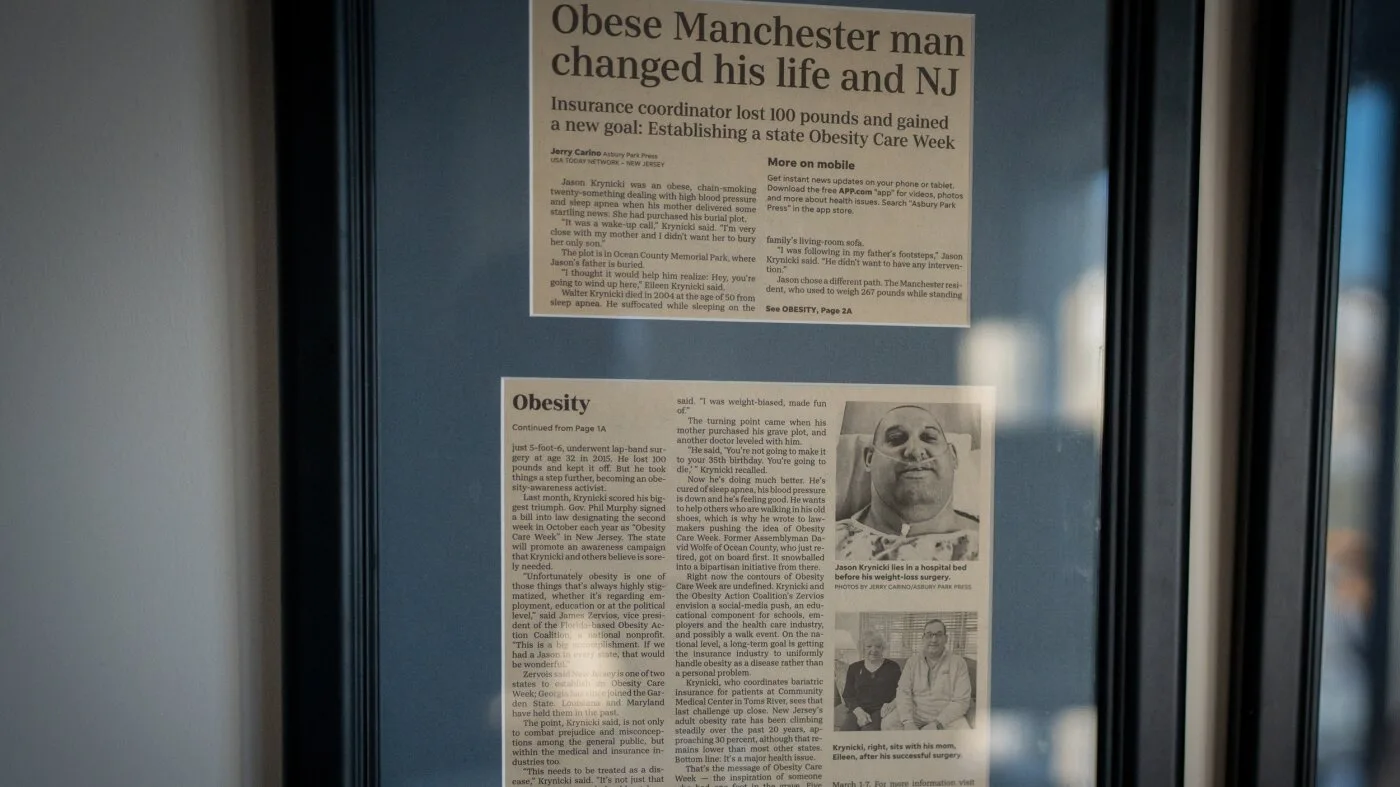
Jason Krynicki, once bullied for obesity, now battles anorexia while on Zepbound, fearing weight regain if he stops. GLP-1 drugs curb appetite effectively but complicate lives for those with disordered eating, often without proper screening. Experts highlight risks and call for caution in a weight-stigma culture.

5 min read

More in Patient Stories & Warnings

Oral Wegovy's Record-Breaking Launch: The New Era of Needle-Free Weight Loss
Medical News & Insights

Oral Wegovy's Record-Breaking Launch: The New Era of Needle-Free Weight Loss

Novo Nordisk's Wegovy oral formulation has achieved unprecedented prescription rates, marking a pivotal shift in obesity care and intensifying competition with Eli Lilly.

8 min read
Ozempic Muscle Loss: How a New Compound Preserves Strength
Health & Wellness

Ozempic Muscle Loss: How a New Compound Preserves Strength

New research from Stanford Medicine reveals a potential solution to the muscle loss associated with GLP-1 medications like Ozempic and Wegovy, offering hope for stronger, healthier weight loss.

8 min read
Ozempic Weight Loss: Why Your Body Needs One More Key Step
Health & Wellness

Ozempic Weight Loss: Why Your Body Needs One More Key Step

Ozempic is a household name, but experts warn it isn't a magic bullet. Dr. Shilpa Verma discusses the essential lifestyle component required for sustainable weight loss.

6 min read
Share this article
  1. Home
  2. Blog
  3. How Layla Taylor Got GLP-1 in Utah: Eating Disorder Warning
Dr. Adrian Vale, MD — Internal Medicine · Board-Certified Obesity Medicine
Medically reviewed

Dr. Adrian Vale, MD

Internal Medicine · Board-Certified Obesity Medicine

Dr. Adrian Vale is a board-certified internal medicine physician with a clinical focus on obesity medicine and metabolic health. He reviews Shotlee guides and articles on GLP-1 medications, peptide therapy, and weight-management protocols for clinical accuracy.

View all articles reviewed by Dr. Adrian Vale, MD
Shotlee LogoShotlee

Your comprehensive health tracking companion. Track, analyze, and optimize your journey with advanced metrics and community support.

Product

  • Medication Trackers
  • Health Guides
  • Calculators
  • Compare Medications
  • Pricing

Resources

  • Health Blog
  • Support Center

Legal

  • Privacy Policy
  • Terms of Service
  • Community Guidelines
  • Refund Policy

© 2026 Shotlee. All rights reserved.

Made with for the community♥ for the community