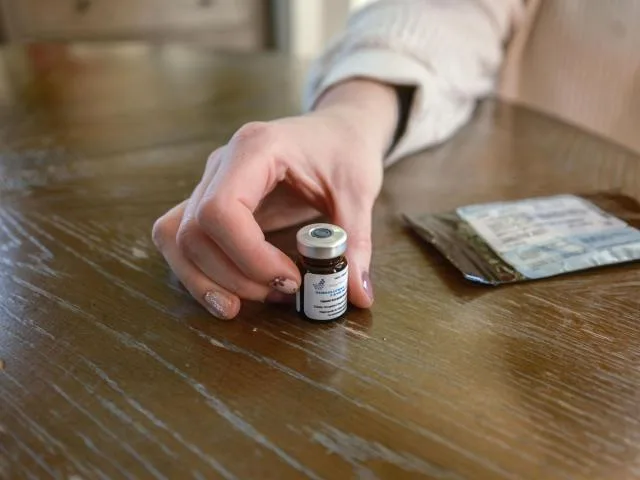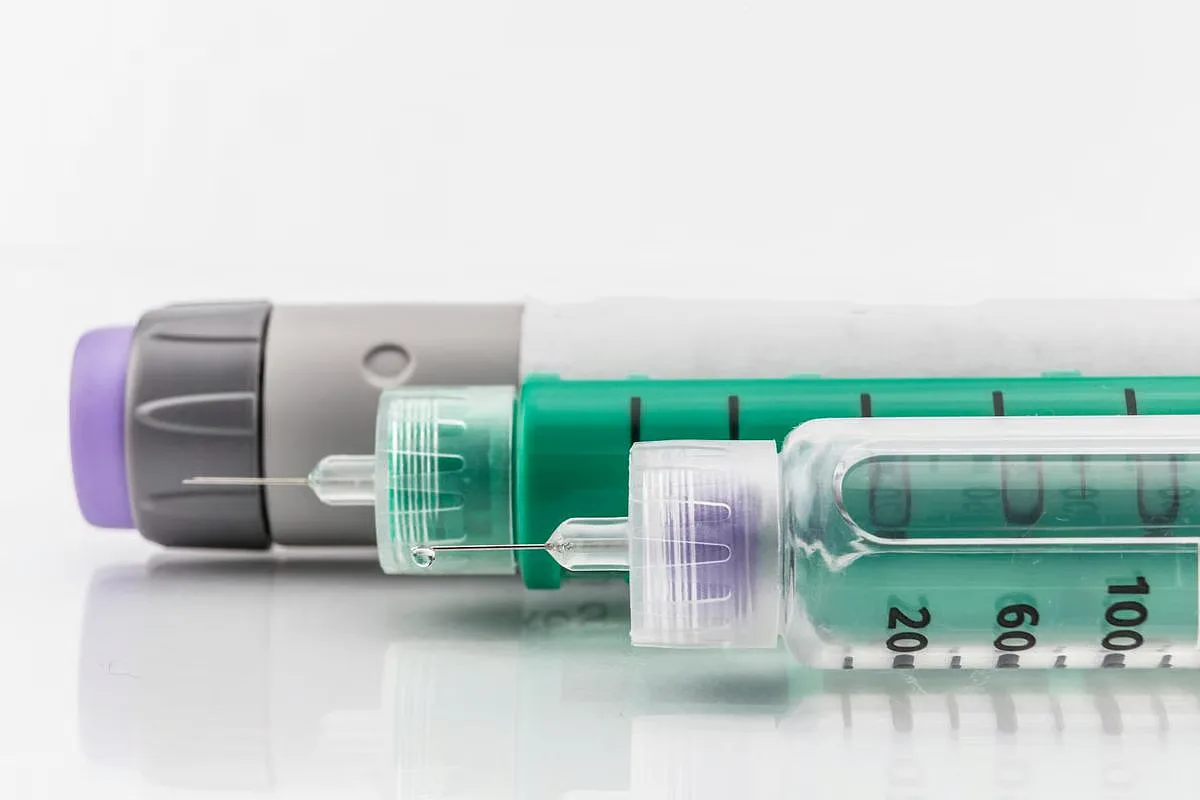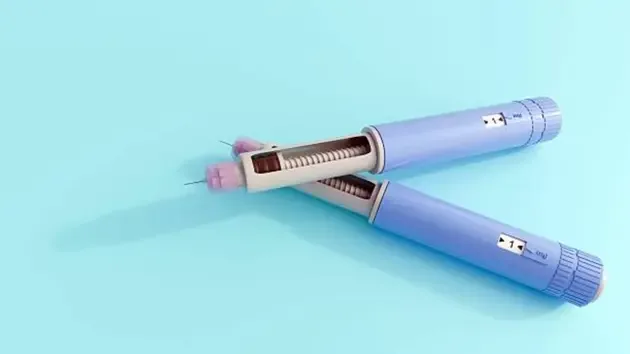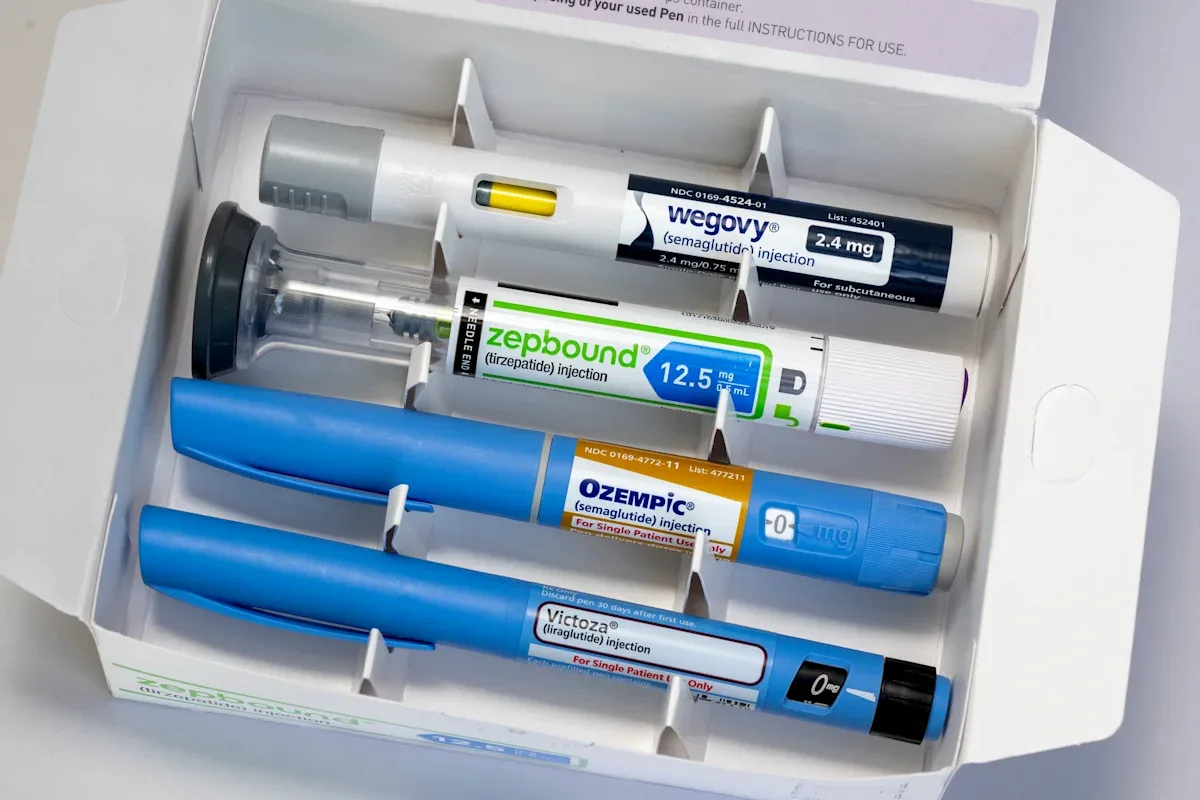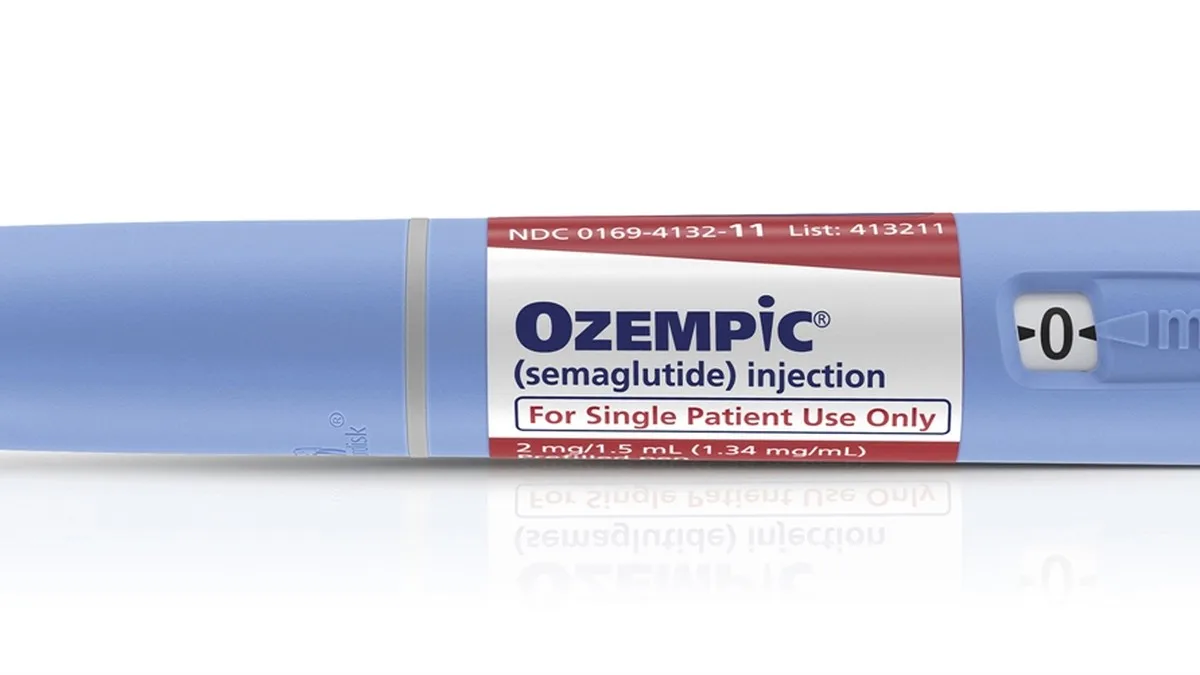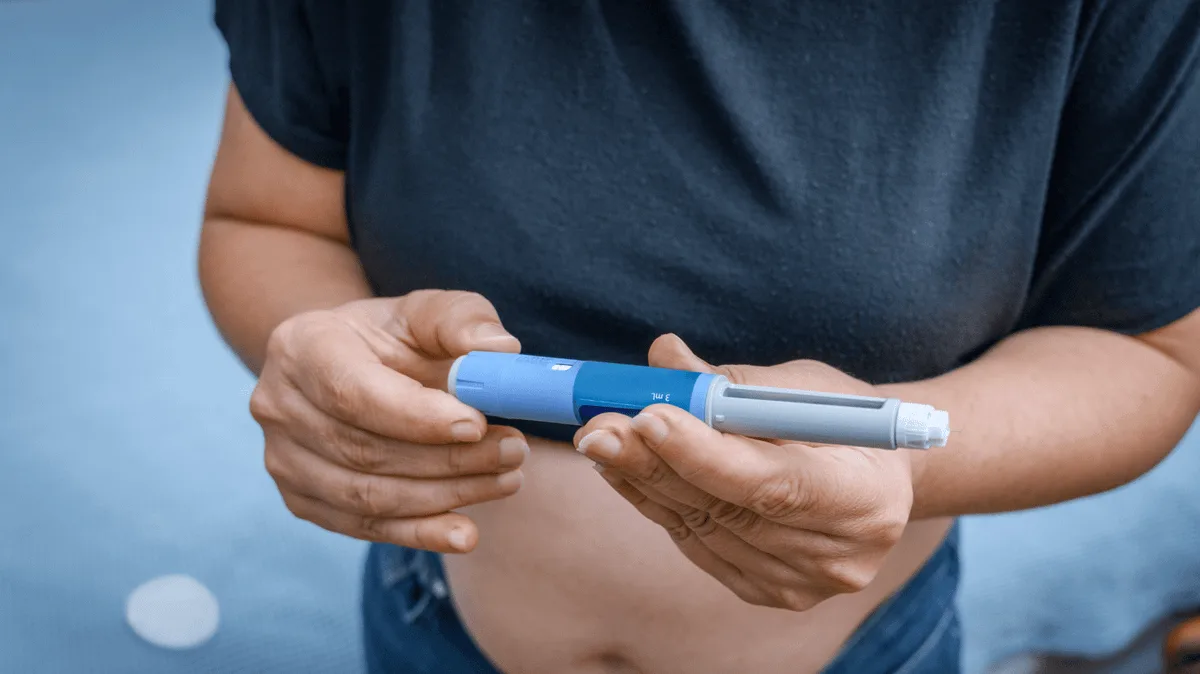

The world of aesthetics is constantly in flux, shaped by cultural trends, societal values, and, increasingly, medical advancements. In recent years, a new class of medications, known as GLP-1 receptor agonists, has surged in popularity for their significant impact on weight loss. Drugs like semaglutide (found in Ozempic and Wegovy) and tirzepatide (found in Mounjaro and Zepbound) are not only transforming individual health journeys but are also beginning to influence broader cultural perceptions, including our understanding of beauty.
This phenomenon has led to discussions about a potential new aesthetic ideal, sometimes referred to as the "GLP-1 face." But what does this term mean, and how might these powerful medications reshape how we view beauty, both in art and in everyday life? This article explores the emerging concept of the "GLP-1 face," its potential implications for art and culture, and the historical context of body image in artistic representation.
The Rise of GLP-1 Medications and Their Aesthetic Impact
GLP-1 receptor agonists are a class of drugs originally developed to manage type 2 diabetes. They work by mimicking a natural hormone that regulates blood sugar and appetite. Beyond their metabolic benefits, these medications have proven highly effective for substantial weight loss, leading to their widespread adoption for obesity treatment. As more individuals embrace these therapies, noticeable changes in facial appearance have begun to emerge, prompting new conversations.
What is the 'GLP-1 Face'?
The term "GLP-1 face" refers to the characteristic changes that can occur in facial appearance due to rapid and significant fat loss experienced by individuals taking GLP-1 medications. This can include:
- Hollowing of the cheeks and temples: As subcutaneous fat diminishes across the body, the face can lose its youthful plumpness.
- A more aged or tired appearance: The loss of facial fat can lead to more prominent nasolabial folds (smile lines) and a less firm jawline, contributing to an appearance of being older or more fatigued.
- Under-eye hollowness: Fat loss in the under-eye area can create darker circles and a more sunken look.
It's important to note that these changes are not inherently negative but are a direct consequence of effective weight reduction. However, the speed and extent of fat loss can sometimes lead to an aesthetic that differs from previous body ideals.
Historical Perspectives: Body Image in Art and Society
The perception of what constitutes an ideal body has varied dramatically throughout history and across cultures. Art has consistently served as a mirror to these evolving standards.
From Corpulence to Slenderness: A Historical Shift
For centuries, artistic traditions often celebrated fuller figures. In Renaissance art, for example, plump cherubs and figures in paintings by masters like Rubens and Renoir were depicted with ample bodies. Corpulence was frequently associated with wealth, status, power, and overall well-being. High BMI was often a visual indicator of a prosperous and healthy individual, particularly for leaders, royalty, and affluent members of society.
The shift in aesthetic ideals began to accelerate in the latter half of the 20th century. Scientific discoveries linking saturated and trans-fats to metabolic and cardiovascular diseases played a significant role. This led to a cultural re-evaluation, where thinness became increasingly glorified, often to an unrealistic degree. Obesity began to be stigmatized, and the idealized body in art and media transitioned from corpulent to slender, sometimes to the point of appearing exceptionally thin.
Precision tracking for your journey
Join thousands using Shotlee to accurately track GLP-1 medications and side effects.
📱 Get the Shotlee App
Track your GLP-1 medications, peptides, and health metrics on the go with our mobile app!
The Mona Lisa: A Case Study?
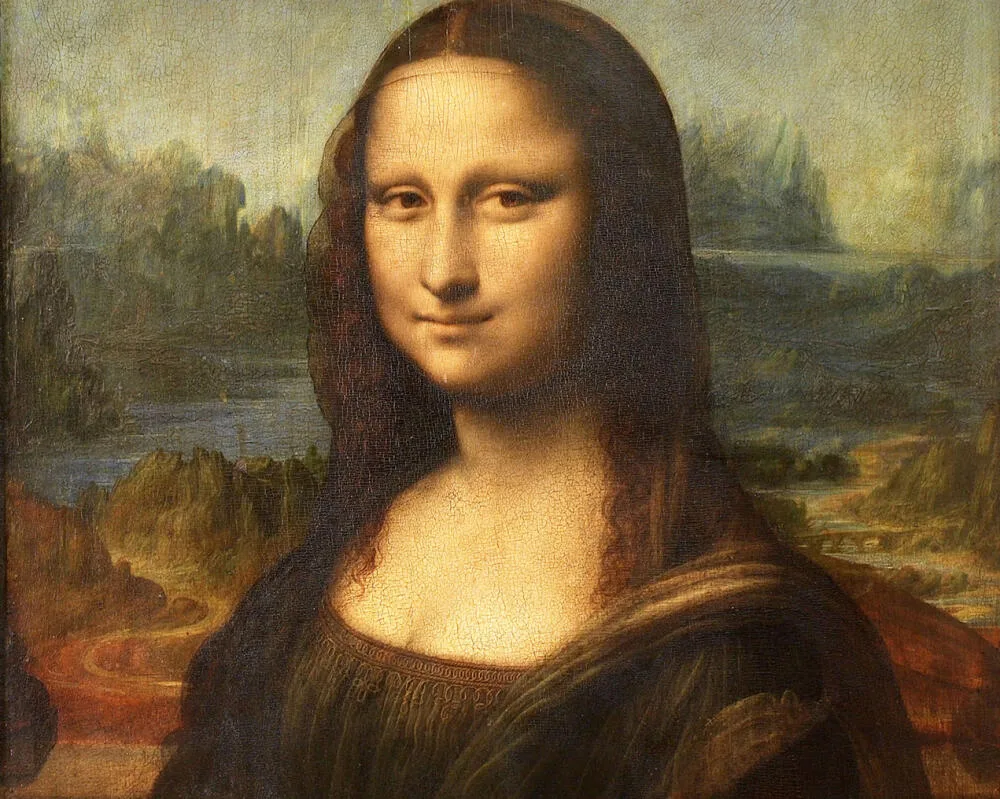
The enigmatic smile of Leonardo da Vinci's Mona Lisa has long been a subject of fascination. Some contemporary analyses, considering her facial features, have speculated that she might have had a high BMI, high cholesterol, or even hypothyroidism. While these are speculative diagnoses based on artistic interpretation, they highlight how people have historically analyzed figures, and how modern medical understanding might influence such interpretations.
However, art historians caution against overly literal interpretations. Art historian Bendor Grosvenor points out that portraits are rarely solely about likeness or health status. They are complex artistic expressions that convey much more than just physical appearance. Applying modern medical diagnoses to historical artworks can be misleading, as the artist's intent and the broader context of the portrait are paramount.
The Future of Beauty: 'GLP-1 Face' as an Emerging Ideal?
As GLP-1 medications become more prevalent, their impact on societal aesthetics is a topic of growing interest. Researchers and cultural commentators are pondering whether the features associated with rapid weight loss might become a new beauty standard.
Artistic Trends and Cultural Ideals
Professor Rosalind Gill, a professor of inequalities in media, culture and creative industries, suggests that while the "GLP-1 face" might initially be viewed negatively, human perception of beauty is adaptable. She draws parallels to past aesthetic trends, such as "heroin chic" in the 1990s, where a gaunt, emaciated look was embraced. She posits that a consumer culture constantly seeking new trends could indeed elevate aspects of the "GLP-1 face" into a desirable cultural ideal, which would likely be reflected in contemporary art.
Dr. Michael Yafi, a pediatric endocrinologist, echoes this sentiment. He believes that as more people use these medications, artworks will increasingly depict individuals with the "GLP-1 face." He speculates that if artists like Picasso were alive today, they might capture this evolving aesthetic in their work, much as they reflected the artistic and social currents of their own times.
The Role of Physicians and Holistic Care
Understanding these shifts in beauty standards can also inform medical practice. Dr. Yafi suggests that if physicians recognize the historical positive portrayal of higher BMIs and the current societal embrace of thinner physiques, they can approach patient care with greater empathy and a less judgmental attitude. This understanding can foster more holistic and effective treatment plans, particularly when addressing weight management and its associated health outcomes.
Navigating Your Weight Loss Journey with Shotlee
For individuals embarking on a weight loss journey with medications like semaglutide or tirzepatide, managing expectations and tracking progress is crucial. Tools like Shotlee can be invaluable in this process. By allowing you to meticulously log your medication doses, track your weight fluctuations, monitor side effects, and record any lifestyle changes, Shotlee provides a comprehensive overview of your progress. This data can empower you to have more informed discussions with your healthcare provider and better understand your body's response to treatment, ensuring a more supported and successful outcome.
Conclusion
The emergence of the "GLP-1 face" is a fascinating intersection of medical science, cultural evolution, and artistic expression. While the aesthetic implications are still unfolding, it's clear that the widespread use of potent weight-loss medications is influencing our perceptions of beauty. From historical art that celebrated corpulence to modern trends that may embrace a more sculpted, leaner look, the definition of an ideal body continues to transform. As we navigate these changes, a nuanced understanding, coupled with personalized health tracking, can help individuals achieve their health goals while remaining grounded in a holistic view of well-being.
Key Takeaways
- GLP-1 medications like semaglutide and tirzepatide can lead to significant weight loss, sometimes resulting in characteristic facial changes referred to as the "GLP-1 face."
- Historically, art has depicted varying body ideals, with corpulence once signifying wealth and status, contrasting with the 20th-century shift towards glorifying thinness.
- Some experts predict that the "GLP-1 face" aesthetic, characterized by reduced facial fat and a more sculpted appearance, could become a new, desirable beauty standard.
- Understanding these evolving beauty perceptions can enhance empathy and effectiveness in medical care, particularly in weight management.
- Tools like Shotlee can help individuals track their progress, manage medication, and monitor symptoms during their weight loss journey.