
Understanding the Long-Term Reality of GLP-1 Medications
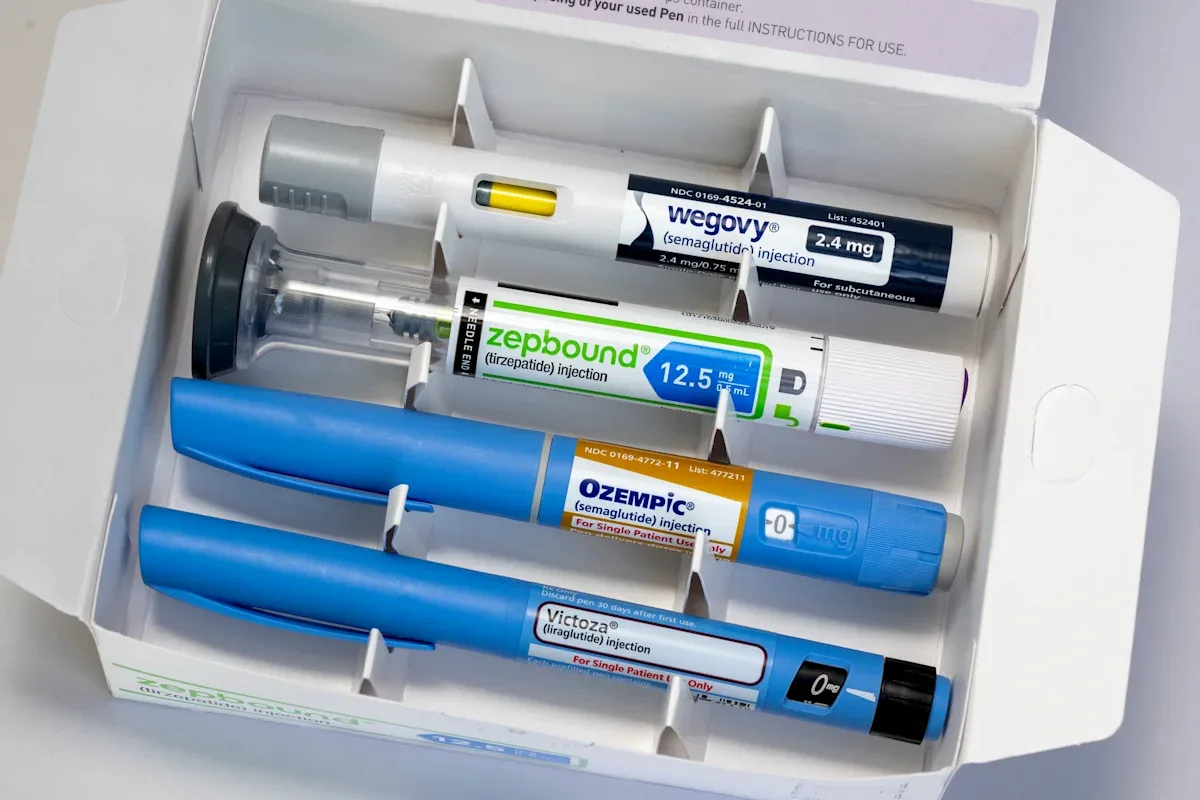
In recent years, the landscape of weight management has been transformed by the introduction of glucagon-like peptide-1 (GLP-1) receptor agonists. Drugs like semaglutide and tirzepatide, widely known by brand names such as Ozempic, Wegovy, Zepbound, and Mounjaro, have offered hope to millions struggling with obesity and metabolic health. These medications work remarkably well by reducing food cravings, slowing gastric emptying, and promoting satiety.
However, as millions begin treatment, a critical question has emerged among patients and healthcare providers alike: What happens when the treatment stops? While the short-term efficacy is well-documented, long-term data regarding discontinuation has been sparse. A significant new study now provides clarity on this issue, highlighting the physiological realities of stopping peptide therapy.
Key Findings from the Oxford University Study
A comprehensive review conducted by researchers at Oxford University, including physiology researcher Sam West, has shed light on the trajectory of patients after discontinuing weight-loss medications. The study analyzed a vast amount of data, screening 9,288 titles before selecting 37 relevant studies for in-depth analysis. The results offer a sobering look at post-treatment outcomes.
Weight Regain Statistics
The study found that participants who took the most common categories of weight-loss drugs tended to lose approximately 33 pounds (about 15 kg) during their treatment phase. However, the data showed a rapid rebound effect once the medication was discontinued. On average, individuals regained about 22 pounds (10 kg) within the first year after stopping. The average monthly rate of weight regain was recorded at 0.4 kg per month.
What was particularly striking in the data, according to West, was just how fast the weight was regained. This suggests that the physiological changes induced by the medication are not permanent once the drug is removed from the system.
Cardiometabolic Marker Reversion
Weight is not the only metric affected by discontinuation. The study also tracked key markers of cardiometabolic health, including blood pressure and cholesterol levels. The findings indicate that these markers tend to return to pre-drug baseline levels approximately 17 months after coming off all weight-loss drugs. This timeline suggests that the protective cardiovascular benefits of the medication may diminish over time if the underlying lifestyle factors are not addressed concurrently.
The Physiology Behind the Rebound
Understanding why weight regain occurs is essential for managing expectations. GLP-1 agonists work by mimicking hormones that regulate appetite and blood sugar. When a patient stops taking the drug, the hormonal signal that suppressed hunger is no longer present.
Hormonal Reset and Appetite
For many users, the medication effectively "resets" their appetite regulation. However, once the drug is cleared from the body, the body's natural hunger hormones (such as ghrelin) can return to previous levels. Without the pharmacological support, the drive to eat increases, often leading to a caloric surplus that results in weight regain.
Metabolic Adaptation
Furthermore, weight loss itself triggers metabolic adaptations. When body mass decreases, the body often becomes more efficient at storing energy. This is an evolutionary survival mechanism. When combined with the removal of the appetite-suppressing effects of the drug, the body is primed to regain fat stores quickly. This explains the average monthly regain rate of 0.4 kg observed in the study.
Implications for Cardiometabolic Health
The return of cardiometabolic markers to baseline levels is a critical finding for long-term health planning. High blood pressure and elevated cholesterol are significant risk factors for heart disease and stroke. The study suggests that the cardiovascular protection offered by GLP-1s is contingent on continued use or effective lifestyle substitution.
| Metric | During Treatment | Post-Discontinuation (18 Months) |
|---|---|---|
| Weight Change | Average Loss: ~15 kg (33 lbs) | Average Regain: ~10 kg (22 lbs) |
| Regain Rate | N/A | 0.4 kg per month |
| Cardiometabolic Markers | Improved (Lower BP, Cholesterol) | Return to Pre-Drug Baseline |
| Baseline Recovery | N/A | Approx. 17 months after stopping |
This data underscores the importance of viewing GLP-1 therapy not just as a short-term fix, but as a component of a broader, long-term health strategy. Relying solely on medication without addressing diet, physical activity, and behavioral health may lead to a cycle of loss and regain, potentially keeping cardiometabolic risks elevated.
Strategies for Sustainable Maintenance
While the data indicates a high likelihood of weight regain, it does not mean maintenance is impossible. The goal for many patients should be to mitigate the regain as much as possible through proactive management.
Precision tracking for your journey
Join thousands using Shotlee to accurately track GLP-1 medications and side effects.
📱 Get the Shotlee App
Track your GLP-1 medications, peptides, and health metrics on the go with our mobile app!
1. Lifestyle as the Foundation
Whether a patient continues medication long-term or decides to taper off, lifestyle changes are the primary defense against regain. This includes maintaining a high-protein diet to support muscle mass, engaging in regular resistance training to boost metabolic rate, and ensuring adequate sleep to regulate hunger hormones.
2. Medical Supervision and Tapering
Some providers may suggest a tapering strategy rather than abrupt cessation to allow the body to adjust gradually. However, the study suggests that regardless of the method, the pharmacological effect is the primary driver of the initial weight loss. Therefore, lifestyle adherence must be robust regardless of the discontinuation method.
3. Monitoring and Accountability
Tracking progress is vital during the maintenance phase. Early detection of weight trends can allow for timely interventions before significant regain occurs. This is where digital health tools become invaluable.
4. Integrating Health Tracking
Tools like Shotlee can play a supportive role in this journey. By allowing users to log their symptoms, track their medication doses, and monitor daily health metrics, Shotlee helps patients maintain awareness of their body's signals. Consistent health tracking ensures that users can identify patterns in their eating habits or physical activity that correlate with weight changes, empowering them to make data-driven decisions during the maintenance phase.
Practical Takeaways for Patients
- Acknowledge the Risk: Understand that stopping GLP-1 drugs often leads to weight regain and a return of metabolic risk markers.
- Focus on Habits: Prioritize building sustainable eating and exercise habits while on medication, not just after.
- Monitor Markers: Keep regular check-ups to track blood pressure and cholesterol, as these may return to baseline.
- Use Technology: Utilize health tracking apps to maintain accountability and spot early signs of regain.
- Consult Your Doctor: Discuss long-term maintenance plans with your healthcare provider before discontinuing therapy.
Conclusion
The recent study from Oxford University provides essential context for anyone considering or currently using GLP-1 medications like semaglutide and tirzepatide. While these drugs are powerful tools for weight loss and cardiometabolic improvement, the data confirms that their effects are largely reversible upon discontinuation. Approximately 10 kg of weight is typically regained within 18 months, alongside a return of pre-treatment blood pressure and cholesterol levels.
This does not diminish the value of the treatment but rather highlights the need for a holistic approach to health. Whether continuing therapy or transitioning off, the focus must remain on long-term lifestyle modifications and consistent health monitoring. By combining medical guidance with practical tools and behavioral changes, patients can better navigate the complexities of weight management and maintain their health gains.
Frequently Asked Questions
1. How much weight do people typically regain after stopping Ozempic or Wegovy?
According to the study, individuals tend to regain approximately 22 pounds (10 kg) within the first year after stopping the medication. The average monthly regain rate was found to be 0.4 kg.
2. Do blood pressure and cholesterol levels return to normal after stopping GLP-1s?
Yes. The study projected that key cardiometabolic markers, including blood pressure and cholesterol, return to pre-drug baseline levels approximately 17 months after discontinuation.
3. How long does it take to regain the weight lost on semaglutide?
While timelines vary by individual, the average data suggests a regain of about 10 kg within 18 months of stopping. The regain process begins quickly, with a steady monthly rate observed in the study.
4. Can I prevent weight regain by changing my diet after stopping the drug?
Lifestyle changes are the most effective way to mitigate regain, but the study indicates that the hormonal drive to eat returns once the medication is removed. A combination of diet, exercise, and potentially continued medical supervision is recommended to maintain results.
5. Is Shotlee useful for tracking GLP-1 maintenance?
Yes, Shotlee is designed to help users track symptoms, medication doses, and health data. This consistent tracking can help identify early trends in weight or health markers, allowing for proactive adjustments during the maintenance phase.