

The world of medicine is rapidly evolving, with groundbreaking treatments emerging for complex conditions like diabetes, obesity, and autoimmune diseases. Many of these revolutionary therapies are classified as biologics – complex medicines derived from living organisms. While they offer immense promise, their intricate nature presents a unique challenge when it comes to affordability and accessibility. This is where the concept of biosimilars comes into play, akin to generics for traditional drugs, but with a more complex pathway to market.
For decades, generic drugs have been a cornerstone of healthcare affordability. These are essentially exact copies of brand-name drugs whose patents have expired. The U.S. Food and Drug Administration (FDA) and similar regulatory bodies worldwide have well-established processes for approving generics, often leveraging the extensive data from the original drug. This streamlined approach has saved trillions of dollars and made essential medications accessible to hundreds of millions of people globally. However, the landscape shifts dramatically when we move from simple chemical compounds to large, protein-based molecules.
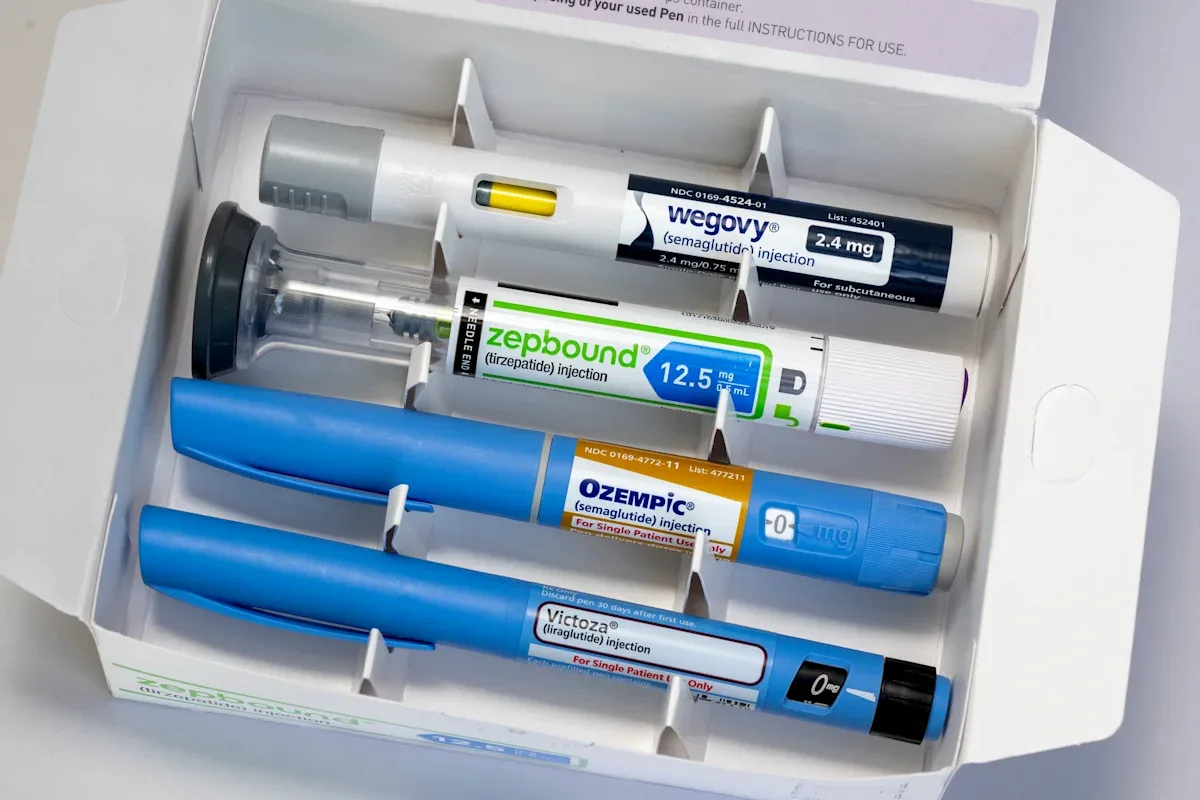
Biologic medicines, such as the widely discussed GLP-1 receptor agonists used for weight loss and diabetes management (like Ozempic, Wegovy, Mounjaro, and Zepbound), are not easily replicated. They are manufactured using living cells, making them inherently more complex than traditional drugs. Consequently, their near-copies, known as biosimilars, are not identical but are highly similar, demonstrating no clinically meaningful differences in terms of safety, purity, and potency from the reference biologic.
The Biosimilar Challenge: A Global Regulatory Maze
Despite the potential of biosimilars to significantly lower healthcare costs, their development and widespread adoption are being hampered by a lack of global regulatory harmonization. A recent study by researchers at the University of California, San Francisco (UCSF) has shed light on this critical issue, highlighting how differing regulations across countries are creating barriers to entry for these vital medications.
“Just 5% of prescriptions are for biologics like Ozempic, but they make up more than half of all drug spending,” explained Jonathan Watanabe, PharmD, MS, PhD, chair of the UCSF Department of Clinical Pharmacy and lead author of the study published in JAMA Health Forum. “Yet many countries aren't equipped to quickly vet and approve of new biosimilars, limiting access for patients.”
The core of the problem lies in the approval pathways. Unlike generics, which can often rely on the established data of the reference drug, biosimilars require a more rigorous, yet still efficient, evaluation process. The UCSF study analyzed biosimilar regulations in 19 countries, including major markets like the U.S. and the UK, as well as emerging economies such as Nigeria and Indonesia. While the initial definitions of biosimilars were broadly similar, the pathways to approval quickly diverged.
Key Divergences in Biosimilar Approval Pathways:
- Similarity Standards: Some regulatory bodies were content with approving biosimilars based on extensive laboratory testing demonstrating high similarity to the reference biologic. Others mandated additional clinical trials involving patients to confirm safety and efficacy.
- Substitution Policies: The authority granted to pharmacists to automatically substitute a biosimilar for a prescribed biologic at the counter varied significantly. In some regions, this was permitted, streamlining access. In others, it required explicit approval from the prescribing physician or even a new prescription, adding an extra layer of complexity and potential delay.
- Reliance on Foreign Data: The willingness of regulatory agencies to accept data and study results from trusted foreign regulatory authorities differed. Some countries embraced this approach, recognizing the efficiency gains, while others insisted on local repetition of studies, increasing the time and cost for manufacturers.
The Economic Impact: Why Harmonization Matters
The economic implications of this regulatory patchwork are substantial. Biologics, including popular GLP-1 medications, represent a significant portion of healthcare expenditure. For instance, Ozempic and Wegovy, both containing semaglutide, and Mounjaro and Zepbound, which feature tirzepatide, have seen surging demand and high price tags. The introduction of biosimilars has the potential to dramatically reduce these costs, making these life-changing treatments more accessible to a broader patient population.
Precision tracking for your journey
Join thousands using Shotlee to accurately track GLP-1 medications and side effects.
📱 Get the Shotlee App
Track your GLP-1 medications, peptides, and health metrics on the go with our mobile app!
When biosimilar approval processes are inefficient or overly burdensome, it delays market entry. This delay not only keeps prices higher for longer but also limits the development of a competitive market. A more harmonized global approach, where regulatory standards are aligned and efficient, would encourage more manufacturers to invest in developing biosimilars. This increased competition would naturally drive down prices, benefiting patients, healthcare systems, and payers alike.
The UCSF researchers emphasize that aligning these regulations is not just about speeding up approvals; it's about replicating the success story of generics in the biologic space. "Generics represent one of the biggest success stories of the pharmaceutical industry in terms of making life-extending treatments more affordable, and we hope our study helps biosimilars do the same," stated Dr. Watanabe.
Tracking Progress and Managing Treatment
For individuals managing chronic conditions with biologics, or those embarking on a weight loss journey with these medications, consistent tracking of progress, side effects, and dosage is crucial. Tools like Shotlee can be invaluable in this regard. By allowing users to meticulously log their medication intake, monitor weight changes, record any adverse events, and track symptom severity, Shotlee provides a comprehensive overview of their treatment journey. This data can be shared with healthcare providers, facilitating more informed discussions about treatment adjustments, potential side effects, and the overall effectiveness of the therapy. As biosimilars become more available, having this detailed personal health data will be even more important for understanding how different formulations impact individual health outcomes.
The Path Forward: Towards Global Alignment
The UCSF study serves as a critical call to action for regulatory bodies worldwide. By streamlining and harmonizing biosimilar approval pathways, governments can:
- Accelerate patient access to more affordable biologic treatments.
- Reduce overall healthcare spending on high-cost medications.
- Foster innovation by creating a more predictable and attractive market for biosimilar development.
- Promote global health equity by making essential medicines available in both developed and developing nations.
The journey towards global regulatory harmonization for biosimilars will require collaboration between international agencies, pharmaceutical companies, and patient advocacy groups. The ultimate goal is to ensure that the promise of advanced biologic therapies is not limited by regulatory hurdles or prohibitive costs, but rather is accessible to all who can benefit.
Key Takeaways:
- Biologic drugs, including popular GLP-1 medications, are expensive and represent a large portion of drug spending.
- Biosimilars offer a pathway to lower costs, similar to generics for traditional drugs.
- Global regulations for approving biosimilars vary significantly, slowing their development and adoption.
- Harmonizing these regulations could speed up market entry, increase competition, and lower prices.
- Patient tracking tools can support individuals managing complex biologic therapies.
The UCSF research highlights a crucial bottleneck in making advanced medical treatments more affordable. By advocating for and implementing more aligned global regulatory frameworks, we can pave the way for biosimilars to fulfill their potential, making life-changing therapies accessible to more people worldwide.