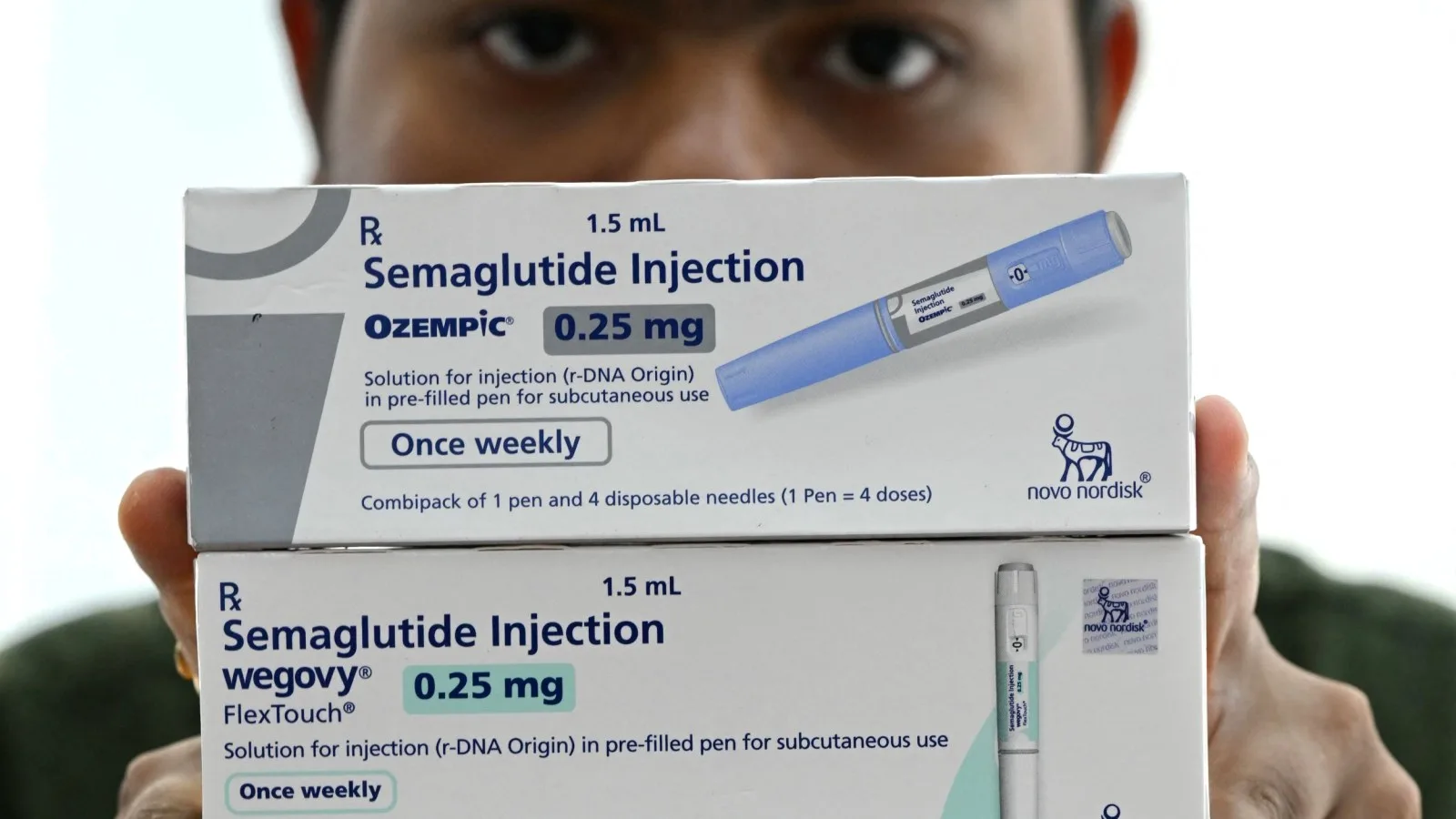


Popular medications like semaglutide (Ozempic, Wegovy) and tirzepatide (Mounjaro, Zepbound) have revolutionized the management of type 2 diabetes and obesity. While clinical trials rigorously assess safety and efficacy, they can't always capture the full spectrum of patient experiences, especially subtle or less common side effects. Now, artificial intelligence is offering a powerful new lens through which to view these real-world concerns.
Researchers at the University of Pennsylvania's School of Engineering and Applied Science have employed AI to analyze a massive dataset of online patient discussions. Their groundbreaking study, published in Nature Health, mined over 400,000 Reddit posts from nearly 70,000 users spanning more than five years. The goal? To identify potential side effects of these widely used GLP-1 receptor agonists that might be discussed by patients but not yet fully documented in official drug information or clinical trial reports.
Unlocking Patient Voices: AI Meets Social Media
The sheer volume of information shared on social media platforms like Reddit presents both an opportunity and a challenge. While these forums act as a vibrant 'neighborhood grapevine' where individuals living with chronic conditions can share their experiences in real-time, the unstructured nature of these conversations makes systematic analysis difficult. Traditional methods are often too slow or lack the sophistication to process the diverse language used by patients.
This is where advanced AI, particularly large language models (LLMs) like those powering GPT and Gemini, has become a game-changer. These sophisticated algorithms can now process enormous amounts of text data with remarkable speed and consistency. They can identify patterns, extract relevant information, and even begin to standardize patient-reported symptoms against established medical terminology, such as the Medical Dictionary for Regulatory Activities (MedDRA).
"Large language models have made it possible to do this kind of analysis much faster with a level of standardization that could be difficult to achieve before," explains Neil Sehgal, the study's first author and a doctoral student at Penn Engineering. This accelerated approach is crucial, especially for medications that have rapidly transitioned from niche treatments to mainstream therapies.
Beyond Nausea: Identifying Emerging Concerns
The Penn study's findings underscore the value of this AI-driven approach. While the AI successfully identified well-known side effects, such as nausea, which validates the method's ability to detect real signals, it also highlighted several symptoms that may warrant closer scientific investigation. These include:
- Menstrual Irregularities: Nearly 4% of users who reported side effects also described reproductive health issues, such as irregular menstrual cycles, bleeding between periods, and heavy menstrual bleeding.
- Temperature Sensitivity: A notable number of users reported experiencing temperature-related symptoms, including chills, feeling cold, hot flashes, and fever-like sensations.
- Fatigue: This emerged as one of the most frequently discussed complaints, ranking as the second most common symptom reported by Reddit users, even though it may appear less prominently in many clinical trial summaries.
Sharath Chandra Guntuku, Research Associate Professor at Penn Engineering and the study's senior author, emphasizes the potential clinical utility of these findings. "The underreported symptoms are leads that came from patients themselves, unprompted, and clinicians could potentially pay attention to them." He adds that while the study doesn't prove causation, these patient-reported patterns are valuable signals for further research.
The Role of Social Media in Drug Safety Monitoring
Clinical trials are the bedrock of drug approval and safety evaluation, but they have inherent limitations. Lyle Ungar, Professor in Computer and Information Science at Penn Engineering and a co-author, notes that clinical trials are designed to identify the most severe side effects. However, they may not always capture the symptoms that are most bothersome or concerning to patients in their daily lives.
Precision tracking for your journey
Join thousands using Shotlee to accurately track GLP-1 medications and side effects.
📱 Get the Shotlee App
Track your GLP-1 medications, peptides, and health metrics on the go with our mobile app!
"Social media can offer insight into concerns patients may not always bring up during medical visits," Ungar states. "Even though social media is not necessarily representative, a large collection of posts may reflect additional concerns." This 'grapevine' effect allows for the real-time sharing of experiences that might otherwise go unreported.
It's important to note that the Reddit users in the study, while providing valuable insights, do not perfectly mirror the general population. They tend to be younger, more likely to be male, and disproportionately based in the United States. Nevertheless, the fact that many of the reported symptoms align with known side effects, such as gastrointestinal issues (which were the most common complaint overall, affecting about 44% of users who mentioned side effects), lends credibility to the AI's analytical power.
Potential Mechanisms and Future Directions
The researchers suggest that the observed symptoms, particularly menstrual changes and temperature fluctuations, might be linked to how these GLP-1 medications work. Jena Shaw Tronieri, Senior Research Investigator at Penn's Center for Weight and Eating Disorders and a co-author, explains that these drugs are believed to interact with the hypothalamus, a region of the brain that regulates numerous hormones and bodily functions, including temperature and reproductive cycles. "That doesn't mean the medications are necessarily causing these symptoms, but it could suggest that reports of menstrual changes and body temperature fluctuations are worth studying more systematically," she notes.
The team behind this research is eager to expand their efforts beyond Reddit and English-speaking communities. The ultimate goal is to determine if similar patterns emerge across different social media platforms and diverse global populations. This will provide a more comprehensive understanding of the real-world experiences of individuals using these medications worldwide.
For rapidly evolving health products, including those in less regulated markets like injectable peptides, online conversations can offer some of the earliest indicators of user experiences. "The whole point of this kind of approach is that it can move quickly, and that's exactly when it's most valuable," Guntuku emphasizes. This AI-assisted method promises to be a vital tool for identifying emerging concerns and trends around medications and wellness much earlier than traditional surveillance systems.
Practical Takeaways for Patients and Clinicians
This study highlights the importance of open communication between patients and healthcare providers. If you are taking GLP-1 medications like Ozempic, Wegovy, Mounjaro, or Zepbound, and you experience any new or concerning symptoms, it is crucial to:
- Document your symptoms: Keep a detailed log of what you're experiencing, when it started, its severity, and how it impacts your daily life. Tools like the Shotlee app can help you track doses, side effects, and other health metrics consistently.
- Discuss with your doctor: Be sure to share all your symptoms and concerns with your healthcare provider, even if they seem minor or unrelated to your primary condition.
- Be an informed patient: While this study points to potential areas for further investigation, remember that the information is based on online discussions and not definitive proof of causation. Always rely on your doctor's advice for managing your health.
For healthcare providers, this research underscores the value of actively listening to patient narratives and considering information shared in online forums as potential signals for further clinical inquiry. The integration of AI into pharmacovigilance may soon become an essential component of patient safety.
Conclusion
The convergence of AI and social media analysis is revolutionizing our understanding of drug side effects. The University of Pennsylvania study demonstrates that by listening to the collective voice of patients online, researchers can uncover potential safety signals that might otherwise be missed. As medications like semaglutide and tirzepatide continue to gain popularity, this AI-driven approach offers a proactive and rapid method for enhancing drug safety monitoring, ultimately benefiting both patients and healthcare providers.